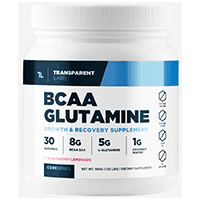
Premium fermented BCAAs with glutamine and coconut water for recovery.
- Fermented BCAAs
- Added glutamine
- No artificial ingredients
- Premium price

Ranking
We’ve researched and narrowed down the best BCAA supplements on the market this year. These 10 BCAA products are designed to help you recover faster.
Updated

Shortlist
Structured picks from our database: scores, labels, and buy links where we track offers. Always read labels and your own goals before buying.
We may earn a commission when you buy through links on this site. Learn more.
Premium fermented BCAAs with glutamine and coconut water for recovery.
The gold standard in BCAA drinks with proven flavors and electrolytes.
Absolutely nothing hidden — full disclosure since 1996.
Informed Sport certified with fermented vegan BCAAs.
Simple, effective BCAAs from a trusted brand.
Unique 3:1:2 ratio with Informed Sport certification.
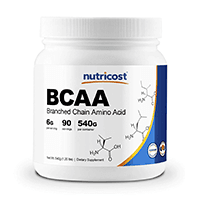
Bare-bones BCAAs at rock-bottom pricing.
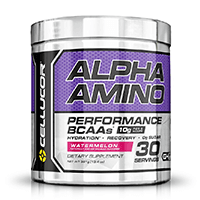
Hydration-focused BCAAs with electrolytes and good flavors.
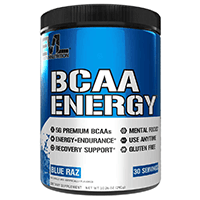
BCAAs with an energy twist from added caffeine and B vitamins.
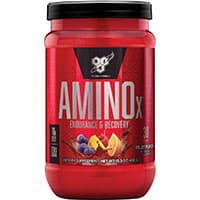
Effervescent amino formula with a fizzy drinking experience.
If you train hard and want better workout support without overcomplicating your supplement stack, BCAAs can seem appealing. The challenge is that many products look similar, labels can be vague, and marketing claims often outpace practical value.
This guide is for lifters, athletes, and active people who want to compare BCAA products with a clear process. The ranked list above is your shortlist; the content below helps you decide which formula fits your training style, nutrition habits, and budget.
If your protein intake is already strong, your decision criteria may be different from someone training fasted or doing high-volume sessions with limited intra-workout nutrition. That context matters more than hype.
Use this in two steps. First, pick 2-3 options from the ranked products above. Second, compare those finalists for serving transparency, amino ratios, ingredient extras, and cost per effective serving.
The ranking block handles product order; this article body is your practical filter. Keep your goal specific: reduced perceived fatigue during sessions, easier hydration compliance, or stack simplicity around your existing nutrition plan.
If you are also evaluating pre- or intra-workout products, compare overlap before you buy. These companion guides can help: best pre-workout supplements and best intra-workout supplement.
Most formulas emphasize leucine-heavy ratios like 2:1:1, but ratio alone does not tell the whole story. Check the actual grams per serving and whether the label clearly states each amino amount.
A flashy ratio with a small total dose may underdeliver in real training use. Transparent grams per serving and straightforward labeling are usually better signals than branding language.
Some products stay focused on BCAAs, while others add hydration blends, electrolytes, caffeine, or pump ingredients. Neither is automatically better; it depends on whether you want a clean amino product or an all-in-one training drink.
If your pre-workout already includes stimulants or your intra-workout already includes carbs/electrolytes, stacking an “everything blend” can create redundant ingredients and inconsistent dosing.
BCAA products are often flavor-forward. If taste is too sweet, too artificial, or hard on your stomach, adherence drops quickly. A product you can sip consistently is usually more useful than a “perfect” panel you avoid.
This is especially important for high-frequency trainees where routine compliance drives outcomes more than minor label differences.
Do not compare tubs by sticker price alone. Compare cost per full serving at the dose you will actually use. Some products look cheaper until you calculate real usage.
If budget is tight, prioritize simple formulas with transparent dosing and fewer non-essential add-ons.
BCAA decision quality improves when you look at your full diet. If daily protein intake is already high and evenly distributed, your marginal benefit may differ from someone with long gaps between meals or fasted sessions.
That does not make BCAAs “good” or “bad” universally; it means the product should match your real intake pattern and training setup.
It depends on your total protein intake, meal timing, and training context. Some people with already-strong daily protein may see limited added value, while others use BCAAs mainly for workout sipping, adherence, and perceived session support.
Evaluate based on your routine, not generic claims.
A common baseline is 2:1:1, but practical usefulness still comes back to total grams per serving, formula transparency, and how the product fits your stack. Do not treat ratio alone as a quality guarantee.
Yes, many users take them pre- or intra-workout. The best timing is the one you can execute consistently without GI discomfort and without conflicting with other products in your session plan.
Some users report subjective recovery support, but outcomes vary based on training load, total protein intake, sleep, and hydration. Treat BCAAs as one tool in a broader recovery system, not a standalone fix.
That depends on your goal and nutrition context. If you are comparing broader amino coverage and ingredient tradeoffs, it helps to review labels side by side and keep dosing transparency as the priority.
No. They are supplements, not meal replacements. Use them to support your training routine, not to substitute complete nutrition patterns.
Products are compared using structured product data and editorial review criteria to help you narrow options quickly and realistically. The goal is practical decision support, not hype-based picks.
For transparency on our broader evaluation philosophy, see our methodology page.
The best BCAA product is usually the one with clear dosing, sensible formula design, and a flavor/profile you can use consistently. Keep your goal specific, your stack clean, and your serving math honest.
If your routine already includes multiple training supplements, simplify overlap first. A coherent, sustainable setup beats a crowded stack every time.
— useful for avoiding ingredient overlap when pairing BCAAs with stimulant products.
— helpful for comparing hydration and amino support during long or high-volume sessions.
— useful when planning the recovery side of your training-day supplement stack.