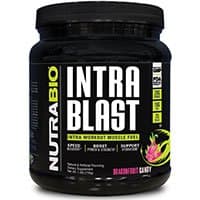
Gold standard for fully disclosed intra nutrition.
- Full EAAs
- Electrolytes
- Pump ingredients
- Larger scoop
- Premium price

Ranking
We’ve done the research and put together an extensive comparison of the 10 best intra workout supplements you can buy right now.
Updated

Shortlist
Structured picks from our database: scores, labels, and buy links where we track offers. Always read labels and your own goals before buying.
We may earn a commission when you buy through links on this site. Learn more.
Gold standard for fully disclosed intra nutrition.
Informed Sport for drug-tested athletes.
When you want fuel without extra aminos.
Transparent Labs
Transparent Labs quality for endurance days.
PeakO2 and electrolytes over Original Xtend.
Lifestyle intra with full EAAs.
Optimum Nutrition
Light caffeine for cardio or morning training.
Dymatize quality in the EAA category.
Retail-friendly performance BCAA.
Budget energy + BCAA combo.
Intra-workout products are formulas meant to drink during training—usually combining fluids and electrolytes, carbohydrates (simple sugars, maltodextrin, or highly branched cyclic dextrin in premium positioning), and sometimes amino acids (often BCAAs or full EAA profiles), plus occasional add-ons like creatine, citrulline, or low-dose stimulants. The honest goal is usually hydration + fuel + palatability so long sessions do not fall apart from stomach rebellion, cramping, or early glycogen fade—not “anabolic magic” in a neon shaker.
This guide is educational, not medical advice. If you have diabetes with insulin dosing complexity, kidney disease with electrolyte restrictions, heart failure with fluid limits, or exercise-associated hyponatremia risk patterns, intra electrolyte and fluid strategy should be clinician-informed—not influencer liters per hour.
The shortlist rewards transparent sodium/potassium/magnesium disclosure (not “electrolyte blend” theater), honest carbohydrate grams per scoop, amino acid identity (BCAA versus EAA) without proprietary camouflage, and flavors you can actually drink when your stomach is already working. The sections below help you match intra formulas to session length, climate, and gut tolerance rather than buying complexity because the label looks tactical.
If cramping and sweat salt loss dominate your training story, start with electrolyte supplements as the foundational category—many “intra” products are electrolyte powders with marketing cosplay. If you are evaluating amino-heavy intras, BCAA supplements is the lane where leucine marketing meets evidence nuance—useful context before you pay EAA prices for three amino acids. If you want creatine in the bottle versus separate timing, creatine supplements helps you judge whether intra creatine is convenience or just underdosed clutter.
Long endurance sessions often benefit from structured carb intake; heavy lifters in air-conditioned gyms may need far less. Buying 40 g carbs per scoop when you train 35 minutes is expensive flavored sugar.
Ultra-concentrated powders can cramp stomachs mid-session. Sometimes splitting concentration or sipping slower beats “more ingredients per scoop.”
Sodium is not the villain mid-session for many athletes; potassium and magnesium matter too, but the right mix depends on sweat rate, diet baseline, and medical context.
Caffeine intra can be fine for some people and miserable for others—especially with stacked pre-workouts. Read the full panel, not the front label hype.
Carbohydrate during prolonged exercise has strong performance tradition; electrolyte needs are individual. Amino acid intra benefits are more debated and context-dependent than bro-science timelines suggest. A grounded stance is: fuel what the session demands, prioritize hydration discipline, and treat amino additions as optional polish unless your diet genuinely lacks protein quality and distribution.
Track stomach comfort, cramping, headache, dizziness, thirst, and urination color patterns across heat and indoor sessions. If you feel worse than water plus food, the formula is wrong for you—not proof you “need time to adapt.”
Many lifters do not; usefulness rises in fasted training contexts and personal tolerance experiments—not universal laws.
Some athletes swear by gastric tolerance; others do fine on simpler carbs—let your stomach and wallet vote.
Yes for convenience; daily total matters more than mystical timing.
Optional; night training and anxiety-prone people often regret it.
A few representative sessions in similar conditions beat one heroic PR day that confounds variables.
We prioritize electrolyte transparency, carbohydrate honesty, amino label clarity, banned-substance testing when relevant, and brands that do not sell intra as mandatory for beginners to grow. For how we evaluate products across the site, read our methodology.
The best intra-workout is the one that matches session demands: enough fluid and salt for your sweat, enough carb for your duration, and a flavor you will actually sip under fatigue. Everything else is optional polish—often sold like oxygen.
If performance is falling apart despite nutrition theater, sleep, stress load, and training programming are the boring variables that usually matter more than a seventh flavor variant.
— the category intra products often borrow from when fueling long work matters more than amino marketing.
— a whole-food-adjacent option when portability beats shaker chemistry between sessions.
— a complementary timing category where stimulant stacking mistakes often start before the intra bottle even opens.