Timed-release thermogenic for sustained energy.
- Unique delivery
- Strong category leader
- Hours of effect
- High stimulant load
- Not for beginners

Ranking
We’ve done the research and put together an extensive comparison of the 10 best thermogenics you can buy right now.
Updated

Shortlist
Structured picks from our database: scores, labels, and buy links where we track offers. Always read labels and your own goals before buying.
We may earn a commission when you buy through links on this site. Learn more.
Timed-release thermogenic for sustained energy.
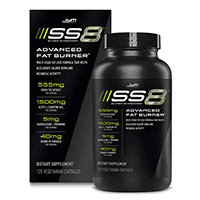
Eight pathways with every dose on the label.
Train hard and support cutting goals in one scoop.
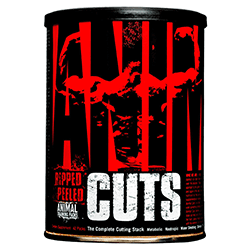
Animal Cuts reputation spans decades.
Smoother feel than old-school thermos.
Ryse quality applied to fat loss.
Drinkable thermogenic for cardio days.
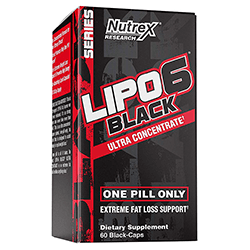
One small cap, big kick.
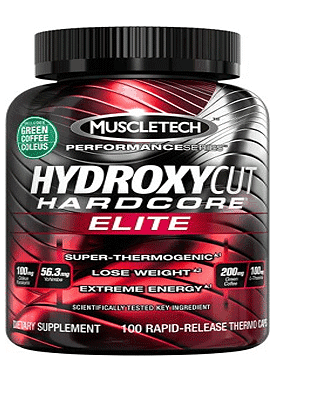
Sensory-focused evolution of Hydroxycut.
Maximum aggression category.
Thermogenics are supplements marketed to raise energy expenditure, suppress appetite, and increase training intensity—usually through stimulants (most often caffeine), catechin-rich extracts, and “metabolism blend” add-ons like synephrine, yohimbine-adjacent compounds, pepper extracts, and diuretic herbs. The category’s core truth is simple: most retail thermogenics are variations of stimulant stacking plus marketing language.
Some ingredients can increase alertness and short-term calorie burn modestly in specific contexts. That is not the same as meaningful, durable fat loss independent of diet, protein intake, sleep, stress, and training consistency. This page is educational, not medical advice. If you have anxiety, panic disorder, arrhythmia, uncontrolled blood pressure, thyroid disease, pregnancy, eating disorder history, or take stimulant/psychiatric medications, thermogenics require clinician and pharmacist review before use.
The shortlist helps filter for transparent stimulant dosing, clean label structure, and products that avoid “proprietary matrix” dose hiding. The body below helps you identify the actual active levers, avoid dangerous stack overlap, and decide when a thermogenic is just expensive caffeine in a fancier bottle.
If your shopping intent is gender-targeted packaging with similar ingredient logic, compare with fat burner for women to see how often formulas differ more in branding than in physiology. If you want precision on stimulant math before buying any “blend,” read caffeine pills as the clean comparator category—this often clarifies what thermogenic products are really charging for. If a product leans heavily on tea catechins, compare expectations with green tea extract, where liver safety framing and EGCG dose realism matter more than “natural” claims.
Many labels list caffeine anhydrous but also include guarana, tea extracts, yerba mate, or kola nut. The real question is your total daily caffeine load across coffee, pre-workout, energy drinks, and pills.
If a product hides ingredient doses, you cannot assess efficacy or risk. “Thermogenic matrix” language often masks underdosed expensive ingredients and unknown stimulant totals.
Some compounds can materially increase side-effect risk when stacked with caffeine, especially in anxious or stimulant-sensitive users. “Herbal” does not reduce cardiovascular risk by default.
Rapid scale drops from water loss are often sold as fat loss. If a formula includes strong diuretic herbs, set expectations accordingly.
If the suggested full dose is multiple capsules and your schedule is chaotic, non-adherence will be the limiting factor long before ingredient nuance.
A cautious thermogenic trial may be reasonable for healthy adults with stable sleep, controlled caffeine intake, and realistic expectations. They are a poor fit for people with unstable stress/sleep, stimulant sensitivity, blood pressure concerns, or a pattern of using supplements as compensation after overeating.
Thermogenics can produce measurable short-term effects in some users, but these effects are usually modest and often erode with tolerance. The strongest long-term body composition outcomes still come from energy balance, resistance training, protein, and recovery behaviors. A supplement should be treated as a small modifier, not a strategy.
Track resting heart rate, sleep latency, anxiety, GI symptoms, appetite rebound, and training quality. If sleep worsens while energy feels “better,” you may be borrowing from recovery and paying later. Stop and seek medical care for chest pain, fainting, severe palpitations, or persistent high blood pressure symptoms.
They can produce modest short-term effects in some people, mostly through stimulant pathways. They do not replace diet and training.
Chronic high-stimulant use can worsen sleep, anxiety, and tolerance. Long-term safety depends on ingredient profile, dose, and your health context.
Usually a bad idea unless stimulant totals are explicitly controlled. Many users unknowingly exceed tolerable caffeine and stimulant loads.
Yes, but many still include ingredients with meaningful physiologic effects and mixed evidence. “Non-stim” does not automatically mean risk-free or highly effective.
Use short, structured trials with clear metrics. If sleep or mood deteriorates, stop rather than escalating dose.
We prioritize dose transparency, conservative safety framing, and formulas that avoid hidden stimulants and hype-first claims. For how we evaluate products across the site, read our methodology.
Thermogenics are best viewed as optional, small-effect tools for people who already have the fundamentals in place. The right product is transparent, tolerable, and used with strict stimulant accounting—not a “metabolic override” in a capsule.
If your progress depends on increasing stimulant doses every month, the bottleneck is likely behavior and recovery, not ingredient novelty.
— another weight-management category where evidence often trails marketing confidence.
— useful for comparing low-signal “metabolism” claims and practical expectations.
— a different mechanism class frequently co-shopped with thermogenics, often without realistic stack planning.