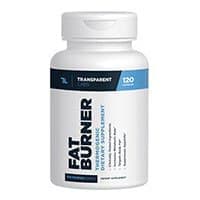
Full transparency, clinically dosed, with both stim and stim-free options.
- Clinically dosed
- No proprietary blends
- Stim-free version available
- Premium price

Ranking
We’ve done the research and put together an extensive comparison of the 10 best fat burners for men on the market right now.
Updated

Shortlist
Structured picks from our database: scores, labels, and buy links where we track offers. Always read labels and your own goals before buying.
We may earn a commission when you buy through links on this site. Learn more.
Full transparency, clinically dosed, with both stim and stim-free options.
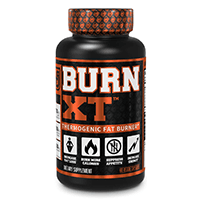
Effective thermogenic formula at an accessible price point.
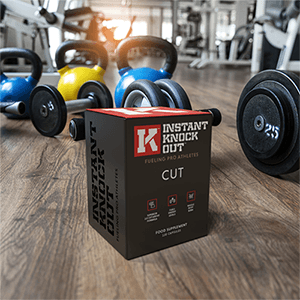
High-dose formula originally developed for combat sports athletes.
Caffeine-free formula that still delivers effective fat burning.
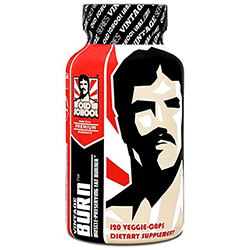
Muscle-preserving formula with a clean ingredient profile.
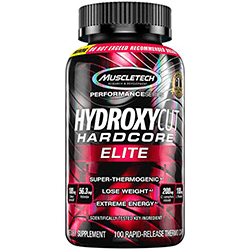
Established brand with aggressive thermogenic energy.
Affordable stimulant-free option with CLA and green coffee bean.
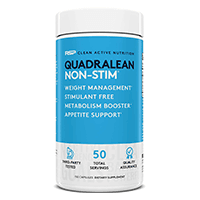
Well-rounded stim-free weight management supplement.
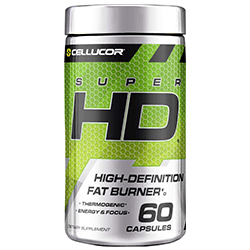
Energy-focused fat burner from a trusted brand.
Welcome to our guide to fat burners! If you’re considering adding a fat burner supplement to your weight loss routine, you likely have some questions about how they work, what to look for, and whether or not they’re safe. In this guide, we’ll provide answers to some of the most frequently asked questions about fat burners to help you make an informed decision about whether or not these supplements are right for you.
Whether you’re looking to lose a few pounds or make a significant change to your body composition, we hope this guide will provide the information you need to make the best choice for your health and wellness goals.
Fat burners are dietary supplements that claim to accelerate your fat loss goals! They do this by using various ingredients together into a formula; ranging from stimulants like caffeine (1) to food-based extracts such as red pepper (2). Combined with a proper diet and exercise plan, fat burners are purported to support your fat loss goals!
Fat burners work by using a blend of ingredients to enhance what’s called your total daily energy expenditure (TDEE). This refers to how many calories your body burns throughout the day.
Fat burners work through a variety of different mechanisms due to the fact that each manufacturer of fat burner supplements puts different ingredients into their product, as well as different amounts.
You will see many of these mechanisms described throughout the course of this article when talking about individual ingredients that are commonly included in fat burners.
This refers to the concept of “thermogenesis”, which basically means an increase in body temperature. These fat burners include a blend of ingredients that have been shown to raise core body temperature. Again, there are a wide variety of ingredients that can accomplish this.
One example is the stimulant yohimbine, which has been proven quite effective as a fat burner (3). Another example is the non-stimulant spice capsaicin, which has been shown to reduce appetite (4).
However, stimulants are the primary ingredient responsible for the thermogenic effect of the rise in core body temperature.
Most foods don’t actually help you burn fat directly, because, at the end of the day, a calorie is a calorie.
However, don’t lose hope! There are foods out there that can boost your TDEE slightly, which include:
There are also other foods that help you burn fat through indirect means, in other words, they contribute to fat loss in a way that doesn’t involve a direct effect on your metabolic rate. Some examples of these foods are:
This is highly dependent on which one you buy! Unfortunately, some companies use ineffective ingredients and/or dosages in their products, while still charging a high price tag. But you won’t have to worry about that, as the ones we recommend for you have been chosen for a reason; because they contain ingredients that have actually been shown to work.
As mentioned previously, they’re only a waste of money if you buy the wrong one and if you don’t put in the work. Make sure they have ingredients that are shown to work. Not only that, dosages are important as well. Some companies include ingredients that are shown to work inside of their fat burners but in the incorrect dosage amount. This is an unfortunate tactic that some companies use in order to scam customers.
Remember, there’s no supplement that anybody “needs” to take. They’re called “supplements” for a reason; they “supplement” or assist your current efforts towards your fitness goals. But if you’re looking to accelerate your progress towards your goals and it fits your budget, then adding a fat burner to the mix is certainly something that can help.
Unfortunately, there’s no reliable way to target a specific area of fat on your body, whether it be the belly, love handles, butt, you name it. There have been numerous scams claiming to be able to do this, but none of them have been proven to work.
The body has a genetic predisposition to lose body fat in particular areas. This is for a multitude of complex, genetic reasons that are outside the scope of this article.
However, one of the most prominent reasons that it’s so difficult to lose belly fat is because the abdominal region has a very dense concentration of what’s called beta-adrenergic receptors compared to other parts of the body. They are more prone to stimulate fat loss as opposed to their counterpart the alpha-adrenergic receptor. Unfortunately, the beta-subtype is more difficult to activate compared to the alpha-subtype.
Supplements such as yohimbine have been shown to inhibit the alpha-subunit, which allows more beta-subunits to be activated (10). But whether or not this is proven to burn more belly fat directly has yet to be seen.
You shouldn’t expect too much from a fat burner. Set your expectations relatively low, because if I had to give you a value as to how much a fat burner would contribute to your fat loss progress, I would say ~2%. This is because it cannot do the hard work for you. You still must diet and exercise properly and consistently in order to see progress. That must be put first before you consider supplementing with a fat burner.
No, there are no steroids included in fat burners. And steroids are derivatives of testosterone, not fat-burning compounds, so they wouldn’t help you much anyway even if they were legal.
As of the publication of this article, there are no commonly used ingredients in fat burner supplements that would be considered banned by the World Anti-Doping Agency (WADA). However, care is to be taken when choosing a fat burner if you compete in a tested organization, as a minority of them have been reported to have illegal ingredients in them, such as Selective Androgen Receptor Modulators (SARMs) (11).
Anybody looking to lose fat can benefit from taking a fat burner. As long as you can fit this supplement into your budget and you find that one works personally for you, then there’s really no reason not to take one!
Just make sure it doesn’t cause you harm or make you feel any adverse effects. This isn’t very likely, especially with non-stimulant ingredients, but more so with stimulants.
For example, caffeine and yohimbine have both been reported to cause anxiety in people, with dosages widely varying between individuals (12)(13). So please be careful when selecting a fat burner and always begin on the lower end of the dosage range.
As long as your diet is in check, there’s nothing necessarily wrong with doing this, but I don’t recommend it.
Taking a fat burner isn’t an appropriate substitute for an exercise regimen; it’s supposed to be added to it along with a proper diet plan.
No, absolutely not. Taking a fat burner supplement is no excuse not to diet properly. If you do so, you’ll just be wasting both your money and time.
Taking a fat burner, along with proper diet and exercise, is supposed to make the fat-burning process more efficient. So why would you forego the most important part of the fat loss process?
There shouldn’t be any issues with doing this. One thing you might have to think about is the stress this may put on your heart and blood pressure.
Running increases your heart rate and blood pressure for a prolonged period of time. Because of this, get to know how the ingredients in a fat burner affect you; particularly the stimulant ingredients, as they are notorious for increasing heart rate and blood pressure (14).
If you have any underlying concerns, don’t hesitate to contact your physician before taking a fat burner supplement.
Some people find that having a relatively full stomach prior to taking a fat burner blunts the stimulatory effects of fat burners. While there’s no scientific evidence to prove that the fat-burning effect is negatively affected, some people may feel less stimulated than if they were to take this on an empty or near-empty stomach.
There’s also preliminary evidence to suggest that taking a creatine supplement alongside caffeine counteracts the benefits of both ingredients. However, this hasn’t been proven definitively (15).
Yes, you certainly can. In fact, in some instances, I’d actually recommend getting single ingredients over a fat burner supplement with a blend of various ingredients, as some people react more favorably to certain ingredients compared to others.
Once you get to know how certain ingredients affect you; that is when it’s best to use individual ingredients.
However, it’s probably best to start out with a blend of ingredients found in a fat burner supplement in order to avoid over-complicating things.
If you really want to use individual ingredients on their own, then I highly recommend checking out our ingredients section of this guide! (above)
Taking a fat burner on an empty stomach should be just fine. You may feel more of the stimulatory effects of ingredients such as caffeine and yohimbine; potentially increasing the chance of anxiety and panic attacks if you’re prone to those conditions.
There’s also no evidence to prove that taking a fat burner with or without food will prove to be disadvantageous.
The only ingredient that should be taken on an empty stomach is yohimbine, as it has been shown to not work nearly as effectively for fat burning when taken with food (16). This is because yohimbine is sensitive to the hormone insulin, which is released whenever we eat food.
One question that always pops up is “What supplements should I take when doing intermittent fasting?”
Most people tend to take fat burners in the morning right after waking up. This is especially important if they contain considerable amounts of stimulants.
You might get insomnia if you take stimulants too late in the day. Some people also decide to take them before a workout, as they feel it gives them a considerable energy boost.
However, there’s no “best” time to take a fat burner in the grand scheme of things. The morning usually works best for most people because of the stimulant content, along with the fact that the morning is the time when they take all their other supplements, such as their multivitamin. But this isn’t a hard-and-fast rule.
It’s fine to take fat burners on the days that you don’t work out. But if you feel the stimulants contained within them tend to keep you up at night since you didn’t exercise that day, I would avoid it on that particular day.
It’s really up to you, as it won’t make that much of a difference if you don’t take your fat burner supplement a few days per week.
Unless it’s a “non-stim” version, I would avoid it. There’s really no added benefit to taking it at this time anyway.
This is entirely dependent on what your specific fat loss goals are, your diet and exercise regimen, and the specific fat burner that you’re taking. Add on the fact that everybody responds differently to particular ingredients, you, unfortunately, have a resounding “it depends” to this question.
However, one thing I can tell you is that if it contains any sort of stimulant in it, you’ll most likely see results faster compared to taking a “non-stim” version.
This is because stimulants are often more potent than non-stimulant herbal ingredients. However, some people aren’t as tolerant of these ingredients as others, so some people find that the “non-stim” fat burners are the only ones they can take.
How often should I take a Fat Burner?
Take it according to the manufacturer’s directions. Often, multiple doses throughout the day are recommended in order to keep stable levels of the ingredients in your bloodstream throughout the day, theoretically improving their efficiency. But there is no data that exists to support that claim.
I wouldn’t take it for more than say 4 weeks or so. Now, of course, this is simply a personal recommendation of mine based on the past experience of myself and my former personal training clients.
There is no specific study or set of data that supports any particular “cycle length” for taking a fat burner.
But I would say that after about 4 weeks is when you’d start to really notice tolerance from the stimulants contained in the supplement. On the other hand, the herbal extracts and other non-stimulatory ingredients will work just as well during week 4 then they did on the first day you started taking the supplement.
So the short answer is I would say don’t exceed 4 weeks so that you can give your body a break from the stimulants and reset, or at least reduce, your tolerance to the stimulants.
Again, this would be smart, but not completely necessary. There are no studies to support any sort of cycling protocol for fat burner compounds, but ingredients such as caffeine begin to show tolerance rather quickly; as fast as 3-5 days (17).
So yes, if your fat burner contains caffeine, then try not to use it for over 4 weeks straight. If it is a “non-stim” variation of a fat burner, there is no need to take a break from it.
Yes, you must be very careful with fat burner supplements. While they may be able to help support your fat loss goals, taking too much at once can cause huge issues. This is especially true if the one you take has a high stimulant content.
Stimulant overdose can result in anxiety, panic attacks, irregular heart rhythms, and in rare cases, death (18).
These supplements are powerful things, so please be careful and speak with your doctor before taking them.
Most people tolerate fat burners pretty well. However, there are a minority of individuals who cannot seem to tolerate them quite as well; suffering from undesirable side effects (described in the following question).
If you can’t decide if a fat burner supplement is right for you, please consult your physician before purchasing and taking a fat burner supplement.
Side effects of a fat burner can include:
You should start taking a fat burner when you really need it most. In other words, when your progress starts to stall and you’ve modified your diet and exercise plan as best you can, then this is the perfect time to add in a fat burner.
This is because if you add it in too fast towards the beginning of your fat loss phase, then you’ll have no more tools left in your toolbox once the plateau inevitably arrives.
There are no currently known ingredients in fat burners that are known to cause damage to specific organs such as these. The stimulants in the product are the biggest factor of concern, as these are the ingredients where people’s reactions to them are the most variable.
Excess stimulant consumption can cause rapid heartbeat and high blood pressure, which could be damaging to your heart if consumed over a prolonged period of time.
If the fat burner supplement you’re taking happens to contain the amino acid L-Citrulline, then yes! At ~3 grams per day, it appears it affects the quality of sperm, with inconclusive effects as to how it affects the motility of sperm (20).
Currently, there is no evidence to support that fat burners cause acne.
No, fat burners do not cause any sort of hair loss.
No, as fat burners are not legally allowed to contain any anabolic steroid or designer drug that would cause testicular atrophy (shrinkage).
That’s highly dependent on what the other supplements you plan on taking are, as well as the specific fat burner supplement that you have. But to keep it simple, just don’t go crazy and combine stimulants like caffeine and yohimbine with your fat burner that already contains ingredients such as these. That is just a disaster waiting to happen.
Other than that, you should be fine pairing other commonly used supplements with your fat burner, like a whey protein powder, creatine, and a multivitamin. However, if you still have doubts, please contact either your physician or pharmacist for any potential interactions that may be a cause of concern for you.
The best supplements to take a fat burner with are the ones that will best support your stress levels, as taking fat burners may increase cortisol (the “stress hormone”) in your body, making you feel more run down faster over time.
Along with increasing blood pressure and heart rate, this is not optimal to do to your body over time.
However, while you are taking a fat burner, the following supplements may help reduce the effects of feeling run down:
As a note, these supplements were included in this list as they are not often found in fat burner supplements, although the occasional fat burner supplement on the market may contain one or more of these ingredients.
Make sure to look on the Supplement Facts label in order to avoid taking unnecessary amounts of a particular ingredient.
This depends on if they have many of the same ingredients in common. If they do, that’s a red flag. However, if one or both of your supplements has a lower dosage of an ingredient that you want more of, there’s nothing wrong with taking both supplements. Again, just make sure to monitor your stimulant intake, as taking more than you’re used to is dangerous.
Depending on the ingredients included, most fat burner supplements don’t contain ingredients that have been shown to increase testosterone, such as zinc (25) and vitamin D (26).
If that is one of your goals, however, it would be smart to supplement with it on the side as its own ingredient in isolation.
There are also some good testosterone-boosting supplements out there, but you must speak with your doctor before considering those.
Fat burners were made to help you lose fat. Building muscle and burning fat simultaneously is really only a feat that is able to be accomplished either by novice trainees or by those using performance-enhancing drugs.
So, unfortunately, fat burners cannot help you to build muscle on their own. There are supplements that can help you build muscle, however.
Absolutely! This is something fat burner supplements are most well-known for.
Ingredients often included in fat burner supplements such as beta-alanine (27) and caffeine (28) have great amounts of support illustrating their endurance-enhancing capabilities in aerobic athletes who must endure (no pun intended) very long duration exercise bouts.
If you’re talking about endurance, please see the previous FAQ. If you’re talking about a sense of stimulation specifically, then the answer depends on if your fat burner supplement happens to contain stimulants, and if so, what the dose of the stimulant(s) is/are.
The higher the number of stimulants, the more energy you’ll often get. However, this is extremely variable among individuals. Taking a certain amount of stimulant may be overwhelming to one, but practically nothing to another.
Also, the non-stimulant ingredients often don’t give people “rushes” of energy or wakefulness. So please check the Supplement Facts label of your fat burner supplement to see what ingredients it contains, specifically the stimulant ingredients.
I wish I could give you straight answers here, but with practically every question in science, I have to give the boring “it depends” answer.
Of course, we’re talking about it depending on the ingredients you have in your fat burner supplement. There are a couple of ingredients often included in fat burner supplements that have been correlated with strength in some way, such as:
There are some other supplements that can help you get stronger such as a quality BCAA supplement.
In conclusion, fat burners can be a useful tool for those looking to support their weight loss efforts, but it’s important to do your research and choose a product that is safe, effective, and suitable for your individual needs.
Remember to always consult with a healthcare professional before starting any new supplement regimen, and be sure to follow the recommended dosage instructions on the product label.
By making informed choices and being mindful of your overall diet and exercise routine, you can maximize the potential benefits of fat burners and work towards achieving your weight loss goals.