Who this creatine guide is for
If you want better strength output, more training volume, and clearer progression from month to month, creatine is one of the few supplements with broad, repeatable support in athletic settings. The problem is not “does creatine work?”—it is choosing a product you will actually use consistently without paying for hype.
This page is for lifters, athletes, and everyday trainees comparing creatine products in a practical way. The ranked list above is your shortlist; this article gives you the buying context: what matters on the label, what usually does not matter, and how to avoid common mistakes that waste money.
If you want the long-form fundamentals first, read our guide to creatine. If you already know the basics and just want a shortlist plus smart selection criteria, stay here.
How to use this page (shortlist first, details second)
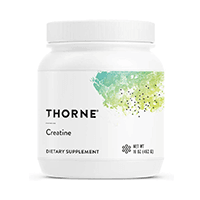
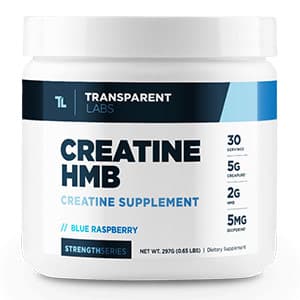
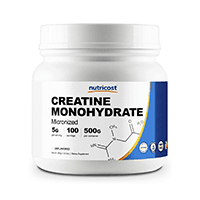
Use this in two steps. First, pick 2-3 candidates from the ranked products above. Second, compare those finalists with the checks below: ingredient form, serving clarity, third-party quality signals, and real cost per effective dose.
The ranked block is the source of product order on this page. The body below is where we help you decide between finalists based on your training reality (cutting, bulking, team sport, or general performance).
If you are stacking pre-, intra-, and post-workout products, simplify before adding complexity. For context on stack overlap, see our best pre-workout supplements and best intra-workout supplement guides.
What to look for in a creatine supplement
1) Form first: creatine monohydrate is the benchmark
For most people, plain creatine monohydrate remains the baseline option. You will see many branded forms and “next-gen” versions, but your first question should be simple: does this product deliver a clear, consistent creatine dose in a form with strong practical track record?
If a label leans heavily on marketing names but is vague about grams per serving, skip it. A straightforward formula with transparent dosing usually wins long-term.
2) Dose clarity beats flashy claims
Look for clear grams of creatine per serving and an easy way to hit your daily target consistently. Avoid proprietary blends that bury creatine behind pump stimulants or flavor systems where the effective amount is unclear.
When comparing tubs, always calculate cost per effective daily serving, not cost per scoop or cost per container. A cheap-looking product can be expensive once real dosing is factored in.
3) Purity, testing, and trust signals
Third-party testing, lot transparency, and clean labeling are useful quality signals. None is magic alone, but together they reduce the chance you are buying label theater. If two products are similar on dose and price, pick the one with stronger quality transparency.
4) Mixability and routine compliance matter more than people admit
The best creatine is the one you remember and tolerate daily. If texture, flavor, or GI comfort causes you to skip doses, the “perfect formula” on paper loses to a simpler product you can adhere to for months.
5) Stack fit: don’t accidentally double up
Many all-in-one products already include creatine. If your pre-workout or mass gainer contains it, adding separate creatine can lead to inconsistent total intake. Audit your full stack once before buying another product.
If your broader goal includes recovery and amino support, compare how creatine fits beside your BCAA strategy and overall peri-workout plan rather than adding products by habit.
Common mistakes to avoid
- Buying for trend, not consistency. Fancy forms and branding are irrelevant if you miss doses.
- Ignoring real serving math. Cost per tub is less useful than cost per effective day.
- Overcomplicating stacks. More products does not automatically mean better results.
- Expecting instant transformation. Creatine supports training output over time; it is not a one-week body recomposition switch.
- Skipping hydration habits. Training quality, hydration, sleep, and programming still drive outcomes.
FAQs
Is creatine safe for long-term use?
For healthy adults, creatine is widely used in sport and fitness settings for extended periods. Individual context still matters, especially if you have kidney concerns, chronic health conditions, or medication interactions.
If you are unsure, discuss your plan with a clinician before starting. Product quality and dose consistency are part of that safety conversation.
Do I need a loading phase?
Some users load, others do not. The practical point is consistent daily intake over time. If loading causes stomach discomfort, many people simply use a steady daily approach and still see benefit as levels build.
Choose the method you can stick with, not the one that looks most aggressive on paper.
Will creatine make me bloated?
Some users notice transient water-weight changes, especially early on, but experience varies. Product form, dosing strategy, and your overall nutrition/hydration habits all influence how you feel.
If discomfort is persistent, simplify your stack, reassess dose timing, and confirm there is no overlap with other products containing creatine.
Can I take creatine on rest days?
Most routines keep intake consistent, including rest days, to maintain steady availability. Sporadic use tied only to training days is usually less reliable.
What should I combine with creatine?
Keep it simple: a coherent training program, enough protein, hydration, and sleep quality. Supplements should support that foundation, not replace it.
If you are building a broader performance stack, align creatine decisions with your pre-workout plan and recovery strategy instead of layering products blindly.
Powder or capsules?
Both can work. Powder is often more cost-efficient and easier to dose-adjust, while capsules can improve convenience when traveling. Pick the format you will use consistently.
How we shortlist products
Products are compared using structured data and editorial review criteria to help you narrow options quickly and responsibly. We aim for practical usefulness over hype, and rankings can evolve as product data changes.
For the broader scoring philosophy and transparency notes, see our methodology page.
Bottom line
For most buyers, the best creatine choice is not the most complicated one. It is a transparent product with clear dosing, credible quality signals, and a cost profile you can sustain.
Pick a product you will take daily, audit your full stack to avoid overlap, and let your training consistency do the heavy lifting.