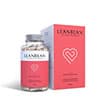
Stimulant-free, fiber-forward formula that fits most women's daily routines.
- No harsh stimulants
- Glucomannan for satiety
- Popular UK brand
- 6 caps/day
- Premium price

Ranking
We’ve done the research and put together an extensive comparison of the 10 best fat burners for women on the market right now.
Updated

Shortlist
Structured picks from our database: scores, labels, and buy links where we track offers. Always read labels and your own goals before buying.
We may earn a commission when you buy through links on this site. Learn more.
Stimulant-free, fiber-forward formula that fits most women's daily routines.
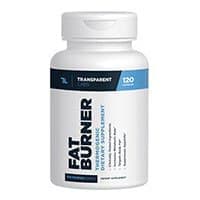
Transparent Labs
Full doses disclosed; pick stim or stim-free.
Light natural caffeine plus fiber and minerals.
Skip stims before bed — still supports goals overnight.
Clinical-style ingredients without caffeine.
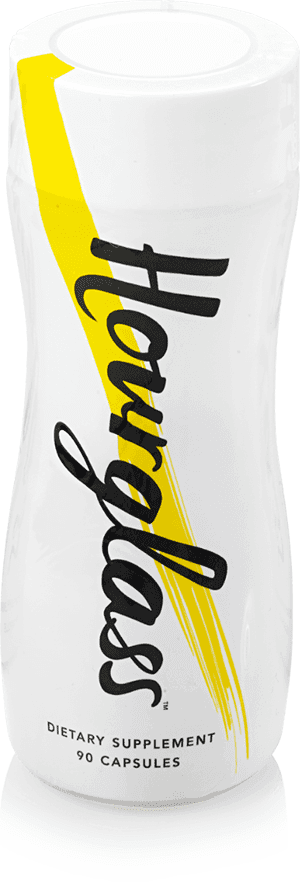
Sister brand to Leanbean with a similar philosophy.
Hormone/wellness support vs pure thermogenic.
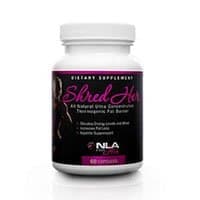
Harder-hitting thermogenic in a women's line.
Accessible price from MusclePharm.
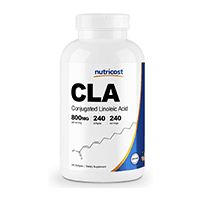
Cheap stacker for CLA protocols.
Fat burners marketed to women are typically blends of caffeine and other stimulants, green tea catechins, diuretic-adjacent herbs, fiber-ish ingredients, and proprietary “metabolism matrices.” The honest category truth: no legal supplement reliably replaces sustained calorie adequacy, protein intake, resistance training, sleep, stress load management, and medical evaluation when hormones, thyroid, medications, or mental health intersect with weight change.
This page is educational, not medical advice. If you are pregnant or breastfeeding, have cardiovascular disease, arrhythmia, anxiety disorders, eating disorder history, take stimulant medications, or use thyroid replacement, treat this entire aisle as high-risk until a clinician and pharmacist review every ingredient—including hidden stimulants in proprietary blends.
The shortlist favors transparent milligrams (especially caffeine totals across sources), avoids glorifying dehydration or laxative “lean” tricks, and penalizes pink-label marketing that sells shame as science. The sections below help you read a fat burner like a stimulant stack: identify caffeine, identify green tea extract concentration, identify diuretics, then decide whether you are buying a product or buying jitters with packaging.
If your goal is mostly training energy with clearer labeling culture than many “burner” matrices, compare against pre-workout for women—still stimulant-real, but often closer to honest dose disclosure than mystery “lean” powders. If your formula leans on catechins, green tea extract is the category where EGCG concentration and liver-risk humility belong—read it before you megadose concentrated tea on an empty stomach because a challenge calendar said so. If you want the blunt version of what many burners secretly are, caffeine pills is the comparator that forces you to ask whether you are paying for caffeine plus fairy dust.
Coffee plus burner plus pre-workout is how palpitations happen—compute totals like an adult, not like a brand loyalist.
Concentrated EGCG supplements carry real liver-injury discussion in medical literature; “natural” is not a shield.
Water loss is not fat loss. If the label reads like a detox tea wearing gym clothes, treat it accordingly.
Some products play hormone cosplay; if you take levothyroxine or have thyroid disease, this aisle is pharmacist territory.
If you cannot see milligrams, you cannot consent to side effects—hard stop.
Some ingredients show modest acute thermogenesis or appetite signals in selected studies; translating that into durable fat loss in free-living humans is where marketing leaps ahead of data. A grounded stance is: if the product only “works” when you also stop eating enough, you did not buy chemistry—you bought appetite side effects dressed as science.
Track resting heart rate if you already measure it, sleep quality, anxiety edge, nausea, headache, and dizziness. Stop and seek care for chest pain, fainting, severe palpitations, or persistent vomiting—especially with concentrated green tea extracts.
They can create short-term subjective effects; durable body composition change still mostly follows training, protein, calories, sleep, and consistency.
Often marketing and dosing theater; biology is not neatly gendered by label color—only contraindications and tolerance are individual.
Rapid weight loss, stress, underfueling, and some ingredients can intersect with cycle changes—medical evaluation beats supplement rotation.
Treat broad hormone claims as red-flag marketing unless a clinician ties a product to your labs and diagnosis.
If contraindications are absent, short disciplined trials beat months of escalating stimulants—if sleep collapses, the trial already failed.
We prioritize stimulant transparency, conservative liver and cardiovascular framing, refusal to reward laxative cosplay, and brands that do not monetize body shame. For how we evaluate products across the site, read our methodology.
The best outcome in this category is often choosing not to play roulette with proprietary stimulant stacks. If you still buy, buy boring transparency: milligrams you can add, side effects you can recognize, and an off-switch the moment sleep, mood, or heart rhythm protests.
If food, weight, and control feel entangled, a supplement aisle is the wrong therapist—eating-disorder-informed care is the correct escalation.
— a satiety tool with clearer mechanics than most “burner” matrices when hunger is the real bottleneck.
— a glucose-adjacent category with real interaction homework—useful contrast for what evidence-heavy supplement shopping looks like.
— another frequently marketed “metabolism” neighbor where acid load, reflux, and stack math parallel fat-burner habits.