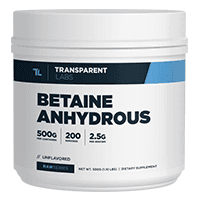
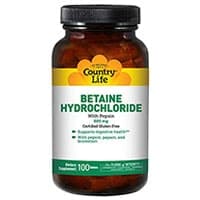
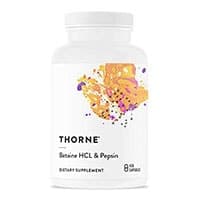
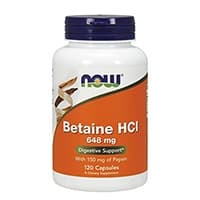
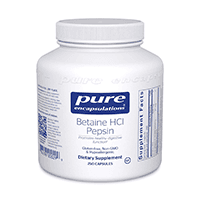
Why people shop betaine supplements
Betaine (usually betaine anhydrous, also called trimethylglycine or TMG) is a common ingredient in performance and wellness stacks. Most buyers land here for one of two reasons: gym performance support (often power-output and body-composition language) or methylation/homocysteine support in broader nutrition routines. That split matters, because products can look similar while serving very different goals.
This guide is educational and not medical advice. If you have kidney disease, cardiovascular disease, bipolar-spectrum conditions, or take medications that affect mood, blood pressure, or methylation pathways, discuss betaine with a qualified clinician before adding it. If you are pregnant or breastfeeding, use clinician guidance before starting any high-dose routine.
Below the shortlist, you’ll find practical label checks, stack strategy, and common mistakes so you can choose based on dosing clarity and fit instead of hype language.
How to use this guide
Use the ranked list as a quality-first filter, not as a guarantee of results. Betaine products vary in dose per scoop, flavor systems, sodium content, and whether they are standalone formulas or hidden inside pre-workouts. If your goal is to evaluate betaine itself, a single-ingredient product is usually the cleanest starting point.
Many shoppers compare betaine with other ergogenic staples. If your training focus is phosphocreatine support and repeated high-intensity output, read our creatine supplements guide. For buffering-focused performance stacks with a different side-effect profile, see our beta-alanine supplements guide. If your interest is methyl-donor nutrition and choline-related pathways, our choline supplements guide provides a useful contrast. These categories overlap in gym conversations but are not interchangeable ingredients.
What to look for in a betaine supplement
Betaine anhydrous amount per serving
Start with the supplement facts panel: exact grams or milligrams of betaine anhydrous per serving, plus suggested daily use. Skip labels that hide active amounts inside proprietary blends. If you cannot see the dose, you cannot compare value or run a clean trial.
Single ingredient vs pre-workout blend
Betaine is frequently bundled with caffeine, citrulline, taurine, creatine, and electrolytes. Blends can be convenient, but they make troubleshooting harder if your sleep worsens or GI tolerance drops. If this is your first experience with betaine, standalone formulas give cleaner feedback.
Flavor system, sweeteners, and sodium load
Flavored powders can improve adherence, but they may add sweeteners, dyes, and sometimes meaningful sodium. If you already use salty hydration products or have blood-pressure concerns, check labels carefully instead of assuming all powders are nutritionally equivalent.
Capsules vs powders
Powders are often better for higher daily intakes and lower cost per gram, while capsules improve portability. If your target dose requires many capsules, real-world adherence may suffer. Choose the format you can actually follow for weeks.
Manufacturing and testing transparency
Prefer brands with clear manufacturing disclosures, lot traceability, and sensible third-party testing signals. In performance categories, quality assurance is a differentiator, especially when products are consumed daily.
Mistakes to avoid
- Treating every performance ingredient as additive. More compounds in one stack does not automatically mean better outcomes.
- Using betaine as a replacement for training quality. Program design, sleep, and nutrition still drive most results.
- Starting multiple new supplements at once. If you change five variables together, you cannot isolate what helped or hurt.
- Ignoring tolerance signals. GI discomfort, mood changes, or sleep disruption should be addressed early.
- Buying proprietary blends without active-dose disclosure. Marketing names are not dosing data.
FAQs
What is betaine anhydrous?
Betaine anhydrous is a form of trimethylglycine used in supplements for performance and methyl-donor support contexts. It is different from unrelated compounds that may contain “betaine” in their names.
Is betaine the same as beta-alanine?
No. They are different ingredients with different mechanisms and side-effect profiles. Similar names cause confusion, but they are not substitutes.
Can I take betaine daily?
Many users do, but daily use should match your health profile, stack complexity, and tolerance. If side effects appear, reassess rather than pushing dose upward.
What side effects are commonly discussed?
Some users report GI discomfort, mild body odor changes, or occasional headache. Responses vary by dose and total stack.
Can I combine betaine with creatine?
Many performance stacks include both, but combination use should still be intentional and monitored for tolerance and adherence.
How long should I evaluate a product?
If your clinician agrees with use, keep your training and nutrition routine stable for several weeks before judging impact. Short, chaotic trials rarely provide useful data.
How we shortlist products
Our rankings prioritize active-dose transparency, practical serving design, clean formulation, and manufacturing credibility. We favor products that make daily use simple and measurable over “kitchen sink” formulas with opaque blends. For full criteria and editorial standards, see our methodology.
Bottom line
Betaine can be a useful category for shoppers who want a straightforward performance/methylation-adjacent ingredient with flexible formats. The strongest choice is usually the one with clear dosing, clean labels, and a protocol you can follow consistently.
Keep expectations realistic: supplements are small levers compared with training quality, sleep, and nutrition. If your health profile is complex, use betaine only as a clinician-reviewed adjunct.