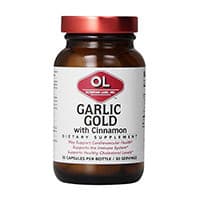
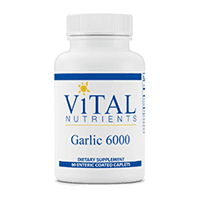
What garlic supplements are (and why “allicin” marketing needs translation)
Garlic supplements are usually made from dried garlic powder, garlic oil, or specialized preparations such as aged garlic extract (AGE). Retail marketing loves words like allicin potential because allicin is the pungent sulfur compound family people associate with garlic’s biological activity—but the supplement you swallow is not automatically equivalent to crushing a fresh clove, and different manufacturing processes change what survives digestion and what you can honestly standardize.
That manufacturing split matters because shoppers often buy garlic for overlapping goals: blood pressure support conversations, lipid-marketing language, immune-season positioning, and general cardiovascular wellness framing. Two bottles can both say “garlic” while representing very different extract philosophies.
This guide is educational, not medical advice. If you take anticoagulants or antiplatelet drugs, have upcoming surgery, are pregnant, or take multiple cardiovascular medications, discuss garlic supplements with a clinician or pharmacist—bleeding and blood pressure effects are the headline interaction concerns.
How to use this guide
The shortlist helps you filter for transparent extract disclosure (powder versus aged extract versus oil), credible manufacturing, and brands that do not hide garlic inside proprietary “heart defense” matrices. The body below helps you match product type to your tolerance (odor, reflux) and avoid stacking multiple mild anticoagulant-adjacent supplements without medical awareness.
If you are comparing polyphenol-forward cardiovascular-adjacent botanicals, olive leaf is a useful contrast for oleuropein standardization habits. If your cart is full of anti-inflammatory spice extracts, turmeric/curcumin is a parallel lane with different absorption-helper controversies and different interaction conversations. If your primary goal is marine omega-3 intake for cardiometabolic routines, align expectations with fish oil—not because garlic replaces it, but because many shoppers cross-shop these categories without separating goals.
What to look for in a garlic supplement
Aged garlic extract vs garlic powder vs garlic oil
AGE products often market milder odor and different sulfur profiles; powders may emphasize allicin yield stories; oils emphasize lipid-soluble fractions. None are automatically “best”—the best is the one that matches your goal, tolerance, and clinician guidance.
Standardization language that maps to servings
If a label claims allicin potential, S-allyl cysteine (SAC) markers (common in AGE), or other sulfur metrics, it should translate into per-serving clarity—not only a percentage on the front label.
Enteric coating, odor, and reflux reality
Garlic can aggravate reflux in sensitive users. Enteric coatings and formulation choices can change tolerability more than brand prestige.
Standalone garlic vs cardiovascular blends
Blends with hawthorn, nattokinase-adjacent ingredients, fish oil, and more are common—and they increase bleeding-risk stacking mistakes.
Manufacturing and contaminant seriousness
Prefer meaningful third-party testing language—not decorative badges.
Who garlic supplements may be appropriate for (and who should pause)
Often a reasonable fit when
- You have clinician agreement for a conservative trial with stable blood pressure monitoring if relevant.
- You can track headache, dizziness on standing, GI upset, and bruising symptoms early.
- You read labels to avoid redundant anticoagulant-adjacent stacks.
Usually a poor DIY fit when
- You take warfarin, antiplatelet therapy, or have a bleeding disorder without pharmacist review.
- You have hypotension symptoms or aggressive antihypertensive regimens without medical coordination.
- You use supplements to postpone cardiology evaluation for chest pain, fainting, or worsening shortness of breath.
Compare two garlic labels in 60 seconds
- Step 1: extract type (AGE vs powder vs oil) stated clearly?
- Step 2: standardization per serving (allicin/SAC/etc.) in real numbers?
- Step 3: mg per serving and servings/day—monthly cost?
- Step 4: enteric coating/reflux notes if you need them?
- Step 5: proprietary blends hiding dose?
Common mistakes that waste money
- Buying odorless marketing without checking whether potency claims still parse mathematically.
- Stacking garlic + fish oil + aspirin culture + NSAIDs without thinking about bleeding risk.
- Expecting drug-like BP changes from a botanical capsule.
- Ignoring reflux triggers and blaming “bad garlic.”
- Switching extract types weekly and learning nothing useful.
What to monitor in the first 4–8 weeks
If your clinician agrees, track blood pressure if you monitor at home, headache, dizziness, GI tolerance, bruising, and nosebleeds. Stop and seek urgent care for severe bleeding, fainting, chest pain, or stroke-like symptoms.
FAQs
Does garlic lower blood pressure?
Some trials suggest modest effects in selected populations; individual responses vary. Supplements are not a substitute for prescribed antihypertensive therapy when indicated.
Does garlic thin the blood?
Bleeding risk is the classic caution—especially with anticoagulants, antiplatelets, NSAIDs, and perioperative windows. Involve your clinician and pharmacist.
Aged garlic vs allicin products—which is better?
Depends on goal, tolerance, and formulation quality. “Better” is mostly better evidence fit for your plan, not a universal winner.
Will garlic supplements make me smell like garlic?
Some do; some are milder. Odor is not proof of potency—still verify label math.
Can garlic interact with medications?
Yes—especially bleeding-risk and blood pressure stacks. Polypharmacy deserves pharmacist review.
How long should I trial one product?
If medically appropriate, use one transparent product for several weeks with stable habits before judging.
How we shortlist products on this page
We prioritize honest extract disclosure, manufacturing credibility, conservative cardiovascular safety framing, and claims that do not substitute for cardiology care. For how we evaluate products across the site, read our methodology.
Bottom line
Garlic supplements can be a reasonable option for some adults when extract type is clear, standardization is honest, and bleeding-risk context is safe. The best purchases are usually well-characterized extracts from quality-forward brands—not mystery heart stacks priced like prescriptions.
If cardiovascular symptoms are new or escalating, treat medical evaluation as the priority—garlic belongs in the margins of a plan, not in place of one.