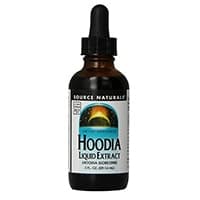
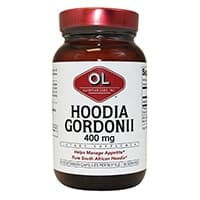
Why people shop hoodia gordonii supplements
Hoodia gordonii is one of the most searched “appetite support” botanicals in weight-management supplement history. Most shoppers arrive looking for one thing: better hunger control during calorie deficits. The challenge is that this category has a long record of inconsistent quality, questionable sourcing claims, and products that lean harder on marketing than on transparent labeling.
That does not automatically make every hoodia product useless, but it does raise the bar for buying decisions. In this category, “best” means: verified ingredient identity, realistic serving design, and a plan that treats supplements as small support tools — not as replacements for food quality, protein intake, sleep, and movement consistency.
This guide is educational and not medical advice. If you have diabetes, cardiovascular disease, hypertension, eating-disorder history, psychiatric conditions, or use medications for appetite, mood, blood pressure, or glucose, discuss any appetite-focused supplement with a qualified clinician before use. Pregnancy and breastfeeding are not self-experiment contexts for this category.
How to use this guide
Use the ranked list as a quality-and-fit filter, not as a rapid fat-loss protocol. Start by setting one clear objective:
- Appetite management support during a structured calorie deficit
- Snack-control support in high-stress periods with poor food timing
- Stack simplification for users replacing chaotic multi-product routines
If your objective is vague (“I just want to lose weight fast”), this category is likely to underdeliver. Appetite supplements work best when paired with clear nutrition structure: protein targets, planned meal timing, fiber intake, hydration, and realistic sleep. Without that base, even a good product feels inconsistent.
Many shoppers compare hoodia with adjacent appetite and metabolic categories. For fiber-based satiety support with a different mechanism, see our glucomannan supplements guide. If you’re evaluating stimulant-adjacent options in body-composition stacks, compare with green coffee bean extract supplements. For another heavily marketed weight-management botanical lane, review garcinia cambogia products.
For complete product scoring standards and cross-site ranking criteria, see our methodology.
Who this category is for (and who should avoid DIY trials)
Usually a better fit for
- Users with a structured eating plan who need modest appetite support, not a “willpower replacement.”
- People willing to run a clean 2-4 week trial with stable lifestyle variables.
- Shoppers who prioritize ingredient verification and product transparency over hype claims.
Usually a poor fit for
- Anyone with active binge/restrict cycles or eating-disorder risk without specialist support.
- Users expecting major fat loss without calorie tracking, protein adequacy, and routine consistency.
- People already taking multiple appetite products and stimulants without clear stack control.
How to compare two hoodia labels in 60 seconds
- Step 1: Confirm exact botanical identity: Hoodia gordonii, not vague “hoodia blend.”
- Step 2: Confirm active amount per serving and source-standardization claims.
- Step 3: Check serving schedule and whether it fits your real eating pattern.
- Step 4: Check if formula is standalone or padded with stimulants and proprietary blends.
- Step 5: Check quality signals (manufacturing/testing transparency) and realistic monthly cost.
If ingredient identity and active amount are unclear, skip the product. This category has too much label ambiguity to “hope for the best.”
What to look for in a hoodia gordonii supplement
Botanical identity and sourcing clarity
Because hoodia has a history of adulteration concerns, identity transparency matters more than in many generic supplement categories. You want clear species labeling and ideally some manufacturing/testing confidence signals.
Standalone formula vs appetite “thermogenic” blends
Many products combine hoodia with caffeine, synephrine-style ingredients, green tea extract, or multiple “fat burner” compounds. That may look powerful, but it makes side effects and appetite signal interpretation much harder. For first-time trials, cleaner formulas usually produce better decisions.
Serving timing linked to your meal pattern
If your toughest hunger window is late afternoon, a schedule that only fits early morning won’t help much. Choose a product whose timing logic matches when your appetite-management problems actually happen.
Tolerance and mood stability context
Any appetite-focused product can interact with stress, sleep quality, and mood in real life. If irritability, anxiety, or sleep disruption rises, do not push through blindly. Appetite suppression that damages routine quality is usually a net loss.
Quality and expectation management
Even with a good product, effects are usually modest. The best outcome is often better consistency with portions and fewer impulsive snacks — not dramatic week-one scale shifts.
Common mistakes that waste money
- Treating hoodia as a substitute for nutrition structure. Appetite support without meal planning rarely lasts.
- Stacking three appetite products at once. More ingredients usually means less interpretability and more side-effect risk.
- Ignoring sleep and stress. Poor sleep often increases hunger more than supplements can offset.
- Buying by old “miracle” marketing narratives. Category history is exactly why label scrutiny matters now.
- Changing calories, training, supplements, and caffeine simultaneously. You lose clean feedback quickly.
What to monitor in your first 2-4 weeks
If your clinician supports a trial, track:
- Hunger pattern shifts: especially in your known high-risk snacking windows.
- Adherence quality: whether portion control and meal timing improve practically.
- Tolerance: GI response, mood, anxiety, sleep quality, and daytime energy steadiness.
- Stack overlap: avoid adding new stimulant/fat-loss products mid-trial.
- Outcome quality: weekly behavior consistency and trend direction, not daily scale noise.
Stop and seek medical guidance if you experience significant mood shifts, chest symptoms, severe dizziness, or persistent adverse effects.
FAQs
Does hoodia gordonii suppress appetite?
Some users report reduced appetite in structured routines, but effects are variable and often modest. Product quality and expectation control matter more than marketing claims.
Is hoodia safe for everyone?
No. People with cardiovascular, metabolic, or psychiatric medication contexts should get clinician guidance before use.
Can I take hoodia with caffeine products?
Possible, but combination use increases complexity and may worsen sleep/anxiety in sensitive users. Start simple whenever possible.
How long should I trial one product?
If medically appropriate, run one transparent formula for 2-4 weeks with stable calories and meal timing before judging results.
What side effects are commonly discussed?
User reports vary, but may include GI discomfort, mood changes, headache, and sleep disruption depending on formula and stack context.
Can hoodia replace calorie tracking?
No. At best, it may make adherence easier. It does not replace dietary structure and consistency.
Is this better than fiber-based appetite support?
Not universally. Many users do better starting with fiber and protein optimization first, then adding supplements only if needed.
Bottom line
Hoodia gordonii supplements can be a reasonable adjunct for some users focused on appetite control, but this is a category where label quality and realistic expectations are everything. The best product is usually one with clear botanical identity, practical serving design, and minimal blend noise.
Use hoodia as a support tool, not a core strategy. If your long-term goal is body recomposition, fundamentals still do most of the work: protein adequacy, calorie consistency, movement, sleep, and stress management.