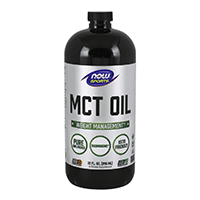
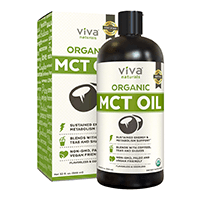
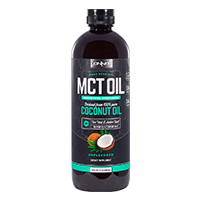
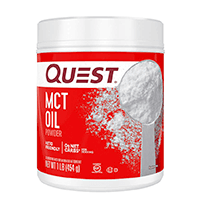
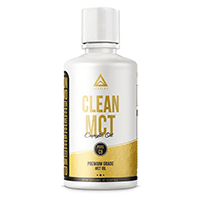
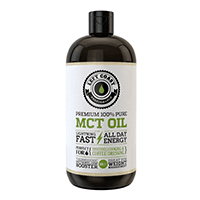
Who this MCT oil guide is for
If you use MCT oil for quick energy, keto-style nutrition, appetite management, or smoother morning focus, you already know the market is crowded with similar-looking bottles and very different quality. The challenge is less about finding “an MCT oil” and more about finding one you can tolerate, dose consistently, and actually use day after day.
This page is for adults comparing MCT oils with a practical buying lens. The ranked list above is your shortlist; this article helps you choose based on fatty-acid profile, sourcing transparency, taste/texture, and real cost per effective serving.
MCT oil is a tool, not a shortcut. It works best when your broader routine (sleep, diet consistency, training, and total calorie intake) is already moving in the right direction.
How to use this page
Use this guide in two steps. First, pick 2-3 candidates from the ranked products above. Second, compare those finalists for MCT composition (C8/C10 balance), ingredient purity, bottle format, and tolerance at realistic serving sizes.
The ranked block gives you order and quick filtering. The body below helps you avoid common mismatches, like buying a premium bottle with poor pour design you stop using after two weeks, or jumping to full servings too fast and getting avoidable GI issues.
If your main goal is body-composition support, pair this decision with broader stack planning from our best fat burners guide. If your goal is mental-energy support, cross-check with best nootropic supplements so your routine stays coherent.
What to look for in an MCT oil
1) C8/C10 profile and label clarity
Not all MCT oils are equivalent. Some emphasize C8 (caprylic acid), others provide blends of C8/C10, and some labels are vague about actual composition. If the brand does not clearly state what you are paying for, that is a red flag for serious buyers.
You do not need to over-optimize every decimal, but you do need enough transparency to compare products honestly.
2) Purity and ingredient simplicity
A clean ingredient list matters. For most users, a straightforward MCT product with minimal extras is easier to dose and evaluate than heavily flavored or blended formulas that obscure what you are taking.
If a product adds many extras, ask whether they support your goal or simply make marketing easier.
3) Tolerance and ramp-up practicality
MCT oils can cause GI discomfort if you jump in too aggressively. A practical product is one you can titrate gradually and tolerate. Start small, assess response, and scale based on your own routine rather than label hype.
Consistency over time beats occasional large doses that disrupt your day.
4) Format and usability in real life
Bottle design, cap quality, pour control, and travel convenience all affect adherence. If the oil leaks, tastes harsh, or is inconvenient to use in coffee/shakes, your compliance drops regardless of “best-in-class” claims.
5) Cost per effective serving
Compare real serving economics, not just bottle size or promo pricing. A cheaper bottle can become expensive if quality or tolerance forces lower utility. Price only matters when paired with consistency and usable dosing.
Common mistakes to avoid
- Starting too high too fast. Rapid dose jumps are a common reason people quit MCT oils early.
- Ignoring product transparency. If fatty-acid profile is unclear, comparison is guesswork.
- Buying for trend value. MCT oil supports routines; it does not replace disciplined nutrition.
- Overstacking morning stimulants. Coffee + MCT + stimulant-heavy products can create inconsistent energy swings for some users.
- Skipping usage context. The best product is the one that fits your daily habits, not just your idealized plan.
FAQs
What is the difference between C8 and C10 MCT oils?
Products vary in fatty-acid composition, and brands may emphasize one profile over another. In practical terms, users often compare based on tolerance, perceived energy effect, and how well the product fits their routine. Clear labeling is essential so you know what you are buying.
Should I take MCT oil on an empty stomach?
Some users do, others prefer taking it with food. Tolerance varies significantly. If you are new to MCT oil, starting with smaller amounts and adjusting gradually is usually the safest practical approach.
Is MCT oil good for fat loss?
MCT oil can support a structured plan for some users, but it is not a standalone fat-loss solution. Overall calorie balance, training consistency, protein intake, and sleep quality still determine outcomes.
Can I add MCT oil to coffee every day?
Yes, many people do. The key is dose consistency and GI tolerance. If daily use causes discomfort or appetite disruption, reduce the amount and reassess rather than forcing a protocol.
MCT oil vs powder: which is better?
Oil often gives straightforward dosing and fewer fillers, while powders may be more convenient for some users. Choose based on tolerance, ingredient simplicity, and how reliably you can use it in your routine.
How long before I notice a difference?
Experience varies. Some users notice changes in routine energy patterns quickly; others care more about long-term adherence within a broader nutrition plan. Evaluate based on practical consistency, not one-day effects.
How we shortlist products
We compare products using structured data and editorial review focused on transparency, usability, and practical value. The goal is to help you narrow to options that fit real-world habits, not marketing narratives.
For broader transparency on how ranking criteria are presented across the site, see our methodology page.
Bottom line
The best MCT oil is the one you can tolerate, understand, and use consistently in your daily routine. Prioritize clear fatty-acid labeling, clean formulation, and realistic serving economics over trend-driven claims.
Build around consistency, start conservatively, and let real-world adherence decide your winner.