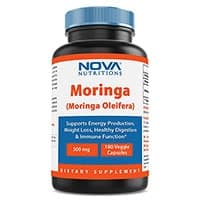
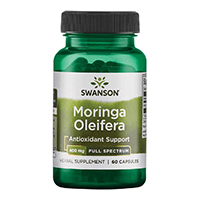
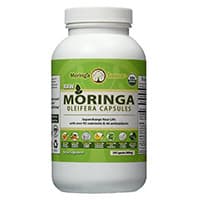
Who this moringa guide is for
If you are considering moringa for daily wellness support, nutrient density, or as part of a plant-forward routine, you have probably seen a lot of products that look similar but vary widely in sourcing quality and label clarity. The challenge is not finding moringa—it is finding one you can trust and use consistently.
This page is for adults comparing moringa supplements in a practical way. The ranked list above is your shortlist; the guidance below helps you compare products by leaf quality, extract transparency, serving design, and real-world value.
Moringa can be a useful addition to a routine, but it should complement the basics: consistent nutrition, hydration, sleep, and movement. If you are building a broader botanical stack, it can help to compare label quality patterns across adjacent categories like nettle supplements and schisandra supplements.
How to use this page
Use this in two passes. First, pick 2-3 products from the ranked list above. Second, compare those finalists for ingredient form, standardization detail, serving size, and tolerability.
The ranked block handles product order on-page. This article helps you avoid common buyer mistakes, like choosing products with vague sourcing or unclear extract details.
If you are also comparing fruit-forward antioxidant formulas, cross-check how brands present sourcing and extraction details in categories like sea buckthorn supplements to keep your quality bar consistent.
What to look for in a moringa supplement
1) Form and source transparency
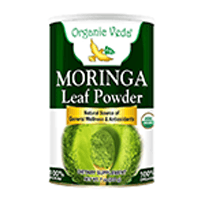
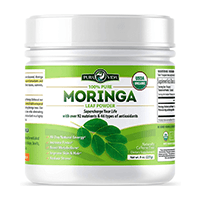
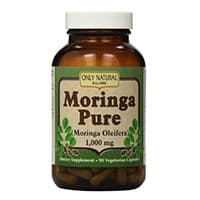
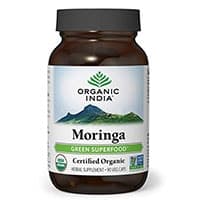
Moringa products may be powders, capsules, or extracts. Look for labels that clearly state the plant part used (commonly leaf), country/source details when available, and whether the product is whole-leaf powder or concentrated extract.
When sourcing language is vague, comparison becomes guesswork.
2) Whole-leaf powder vs extract clarity
Whole-leaf products and extracts are not inherently “better” or “worse”; they are different formats. What matters is that the label makes the format explicit and gives enough detail to compare serving strength honestly.
A premium claim without serving context is not useful.
3) Standardization and label detail
Some products list extract ratios or standardization markers; others do not. More detail is generally better for confident comparison, especially if you are deciding between several similarly priced options.
Avoid proprietary blends that hide the actual moringa amount, similar to the label issues often seen in broad herbal categories like schisandra products.
4) Add-on ingredients: useful or distracting?
Many products combine moringa with greens, adaptogens, or vitamins. These blends can be convenient, but only if each ingredient is clearly dosed and relevant to your goal. Otherwise, they may add cost without clarity.
If a product positions itself as “all-in-one wellness,” compare whether a cleaner single-ingredient approach (like in many nettle formulas) might give you better control.
5) Tolerability and routine fit
The best product is one you can use consistently. Taste, capsule count, and GI comfort all affect adherence. If a powder is hard to drink or a capsule protocol is too heavy, real-world use drops quickly.
6) Cost per effective serving
Compare products by realistic daily use, not just bottle price. A low-cost option can become poor value if serving sizes are too small or quality signals are weak.
Common mistakes to avoid
- Buying only by marketing language. “Superfood” claims are not a substitute for transparent serving details.
- Ignoring product format. Powder, capsule, and extract formats have different usability tradeoffs.
- Overstacking botanicals at once. Too many simultaneous changes make it hard to evaluate what actually helps.
- Skipping consistency checks. A product you dislike in taste or routine complexity usually gets abandoned.
- Comparing price without dose context. Always evaluate cost per realistic daily serving.
FAQs
Is moringa powder better than capsules?
Neither is automatically better for everyone. Powder can be flexible and cost-efficient, while capsules can be more convenient and consistent. Choose based on adherence and how you actually plan to use it daily.
How should I choose between whole-leaf and extract products?
Start with transparency. Pick products that clearly state format, serving amount, and any extract details. Without that, “stronger” claims are hard to verify.
Can I take moringa every day?
Many users do, but practical consistency and tolerance matter more than occasional large intakes. If you have medical conditions, are pregnant/breastfeeding, or take medications, check with a clinician before starting.
What time of day is best to take moringa?
There is no universal best time. Use the timing that fits your routine and minimizes GI discomfort. Consistent use is usually more important than perfect timing.
Should moringa be taken alone or in a blend?
Single-ingredient products make it easier to evaluate response and dose. Blends can be convenient, but only if they remain transparent and aligned with your goal.
How long should I trial one product?
Give any product enough consistent use to judge practical fit (tolerance, adherence, routine compatibility). Switching too frequently usually creates noise, not clarity.
How we shortlist products
Products are shortlisted using structured product data and editorial review criteria focused on transparency, quality signals, practical usability, and value. The goal is to help you narrow options quickly and responsibly.
For broader transparency on ranking principles across the site, see our methodology page.
Bottom line
The best moringa supplement is the one with clear sourcing and serving information, a format you will actually use, and value that holds up at your real daily intake.
Prioritize transparency over trend language, keep your routine simple, and let consistency decide the winner.