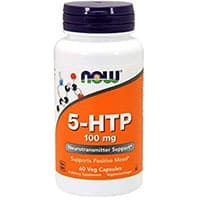
What 5-HTP supplements are (and why serotonin context is not “wellness trivia”)
5-HTP (5-hydroxytryptophan) is an amino acid derivative your body can use along the pathway toward serotonin. Supplements are usually extracted from the African shrub Griffonia simplicifolia and sold for mood support, stress, sleep-onset help, and appetite-related marketing. The chemistry sounds gentle; the clinical reality is that anything that pushes serotonin signaling deserves the same respect you would give a prescription decision—especially if you take antidepressants, migraine medications, or other serotonergic drugs.
This is not fear-mongering; it is basic pharmacology hygiene: combining multiple serotonin-affecting agents can raise the risk of serotonin syndrome, a medical emergency. That risk is why 5-HTP is a poor candidate for “I saw it on TikTok so I stacked it with my meds” experimentation.
This guide is educational, not medical advice. If you take SSRIs, SNRIs, MAOIs, triptans, tramadol-line analgesics, St. John’s wort, or multiple OTC sedating products, do not add 5-HTP without explicit clinician and pharmacist approval. If you develop agitation, confusion, fever, sweating, diarrhea, tremor, or rapid heart rate after starting a new supplement, seek emergency care.
How to use this guide
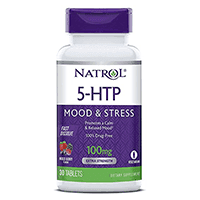
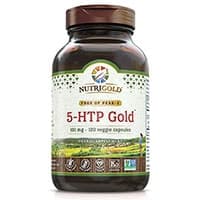
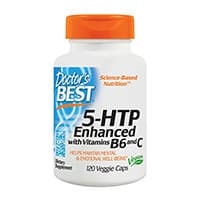
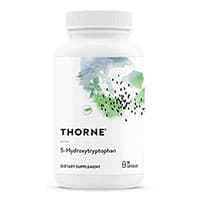
The shortlist helps you filter for transparent milligram dosing, credible manufacturing, and brands that do not hide 5-HTP inside giant “mood matrix” blends. The body below helps you choose a conservative trial approach—if your clinician agrees one is appropriate—and avoid the most common failure mode: stacking serotonin pathways across several products without realizing it.
If your main goal is sleep timing rather than daytime mood chemistry, compare goals honestly with melatonin (a different tool with different dosing rules). If you are already using botanicals that affect serotonin signaling, St. John’s wort is a prime example of why “natural” does not mean interaction-free—especially alongside prescriptions. If you want non-serotonergic calm support to discuss with a clinician as an alternative lane, GABA is a different category with its own debate and sedation-stacking cautions—but it is still not a free pass to polypharmacy chaos.
What to look for in a 5-HTP supplement
Milligrams per serving you can verify (and daily totals)
Look for clear mg per capsule/tablet and how many servings per day the brand expects. If the label hides dose in proprietary blends, move on.
Griffonia source disclosure
Many reputable products name Griffonia simplicifolia seed extract. Vague “5-HTP” without sourcing context is weaker.
Standalone 5-HTP vs mood/sleep mega-blends
Blends with melatonin, L-tryptophan, SAMe-adjacent marketing, valerian, and more are common—and they increase interaction complexity fast. If your clinician approves a trial, simpler formulas usually produce clearer feedback.
GI tolerance and titration
Nausea and GI upset are common discussion points with 5-HTP. Conservative titration and food pairing help some users—when medically appropriate.
Manufacturing and contaminant seriousness
Prefer meaningful third-party testing language (identity, purity) over decorative badges.
Who 5-HTP may be appropriate for (and who should avoid it)
Potentially reasonable candidates
- Adults with explicit clinician approval to trial 5-HTP while avoiding other serotonergic stacks.
- Users who can track nausea, sleep changes, anxiety, and heart rate symptoms early.
Usually a poor DIY fit
- Anyone on antidepressants, anti-anxiety prescriptions, migraine triptans, or MAOIs without medical clearance.
- Anyone combining multiple “mood” supplements without pharmacist review.
- Pregnancy and breastfeeding: not a self-experiment category.
Compare two 5-HTP labels in 60 seconds
- Step 1: mg 5-HTP per serving stated plainly?
- Step 2: daily total mg at the label’s directions?
- Step 3: Griffonia/extract disclosure?
- Step 4: other serotonergic actives included?
- Step 5: credible testing language?
Common mistakes that waste money (or create danger)
- Stacking 5-HTP with SSRIs/SNRIs/triptans because a forum said it “balances serotonin.”
- Adding 5-HTP to St. John’s wort without understanding serotonergic load.
- Buying blends without knowing the 5-HTP fraction.
- Ignoring early serotonin-excess symptoms as “detox” or “adjustment.”
- Using supplements to postpone psychiatric care when symptoms are severe.
What to monitor in the first 2–4 weeks
If your clinician agrees, track nausea, sleep latency, vivid dreams, anxiety/restlessness, sweating, tremor, and heart rate. Stop immediately for escalating agitation, confusion, fever, or severe GI symptoms—and seek emergency care if serotonin syndrome is suspected.
FAQs
What is 5-HTP used for?
Common marketing themes include mood support, stress, sleep, and appetite. Evidence and individual response vary; safety with medications is the non-negotiable gate.
Can I take 5-HTP with antidepressants?
Do not combine unless your prescriber explicitly approves a plan. This is one of the highest-risk OTC supplement categories for drug interaction.
Can I take 5-HTP with melatonin?
People do, but blends still increase complexity—especially if other serotonergic agents are in the background. Clinician-guided decisions beat shopping-cart improvisation.
Does 5-HTP cause vivid dreams?
Some users report intense dreams or sleep changes. If sleep worsens or feels neurologically “off,” stop and reassess with a clinician.
Is 5-HTP the same as tryptophan?
No. They sit in related biochemistry, but supplements are not interchangeable, and stacking them increases complexity.
How long should I trial one product?
If medically appropriate, use one transparent product for 2–4 weeks with stable caffeine, alcohol, and medication adherence before judging.
How we shortlist products on this page
We prioritize transparent dosing, manufacturing credibility, conservative interaction framing, and brands that do not encourage dangerous stacking. For how we evaluate products across the site, read our methodology.
Bottom line
5-HTP is not “just an amino acid” in the real world of prescriptions and polypharmacy. It can be a reasonable trial only for a narrow slice of adults—and only with explicit medical clearance when any serotonergic medications exist.
If you are unsure whether your medication list makes 5-HTP safe, the correct next step is a pharmacist conversation, not a braver dose.