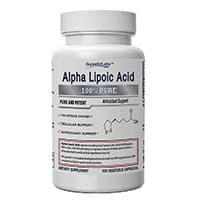
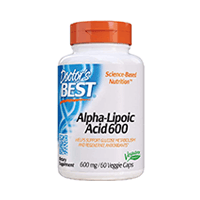
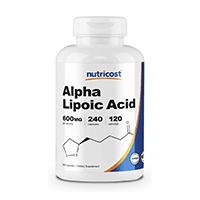
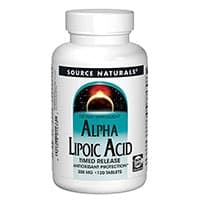
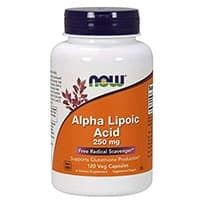
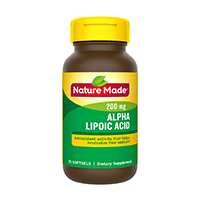
Who this alpha-lipoic acid (ALA) guide is for
If you are comparing alpha-lipoic acid supplements for metabolic health support, antioxidant-focused routines, or general wellness stack refinement, you have probably noticed a lot of products with similar labels and very different positioning. The real challenge is finding a formula with clear dosing and quality signals you can trust.
This page is for adults who want a practical way to evaluate ALA products. The ranked list above is your shortlist; this article gives you the context to choose between finalists based on form, dose transparency, tolerability, and cost per effective serving.
If your bigger goal includes blood-sugar-aware nutrition and broader metabolic support, you may also compare adjacent categories like berberine supplements and chromium supplements so your stack is coherent instead of random.
How to use this page
Use this guide in two passes. First, choose 2-3 candidates from the ranked products above. Second, compare those finalists for ALA form clarity, serving design, added ingredients, and practical monthly value.
The ranked block handles order. This article body helps you avoid common buying mistakes, like overpaying for vague labels or stacking overlapping ingredients without a clear reason.
If your interest in ALA is mostly antioxidant-oriented, it helps to compare how brands communicate evidence and dosage across related categories like resveratrol supplements and quercetin supplements.
What to look for in an ALA supplement
1) Form transparency (ALA type and label clarity)
Some products clearly identify the ALA form and amount per serving, while others use vague front-label language. Your first filter should be simple: can you clearly see what form is used and how much you are actually getting?
When labels are unclear, comparison becomes guesswork and price evaluation gets distorted.
2) Dose per serving and serving logic
Do not stop at “contains ALA.” Compare the actual amount per serving and how many capsules/tablets are required to reach the intended daily use. A product can look convenient until serving math reveals a very different routine.
Always calculate real daily intake before deciding value.
3) Added ingredients: strategic support or clutter?
Many ALA products include co-ingredients for antioxidant or metabolic positioning. Some combinations can be useful; others create expensive complexity without clear practical benefit.
If a blend is used, make sure each key ingredient amount is transparent. If not, a cleaner single-focus formula often gives you more control.
4) Tolerability and adherence
The best product is one you can take consistently. If serving size, capsule burden, or GI tolerance makes daily use difficult, effectiveness in real life drops regardless of marketing quality.
Start with a routine you can sustain, then refine based on response and clinician input where needed.
5) Cost per effective month
Compare by realistic daily use, not bottle price alone. A lower sticker price can become poor value when serving count and practical dose are factored in.
If you are already using multiple targeted products, simplify first and avoid adding ALA as just another “just in case” supplement.
Common mistakes to avoid
- Buying by headline claims only. Check actual ALA amount and serving requirements first.
- Ignoring form clarity. If the label is vague, it is harder to assess quality and value.
- Overstacking antioxidant products. Too many overlapping products can add cost without better decision quality.
- Skipping consistency planning. A complex routine usually fails compared to a simple one you can follow daily.
- Comparing price without dose context. Cost per bottle is less meaningful than cost per effective day.
FAQs
What is alpha-lipoic acid usually used for in supplements?
ALA is commonly positioned in antioxidant and metabolic-support routines. Use claims vary by brand, so your best approach is to focus on transparent dosing, sensible formulation, and practical fit for your goals.
Should I take ALA by itself or in a blend?
Single-ingredient formulas can make dose tracking easier. Blends can be convenient, but only when each active ingredient is clearly listed at meaningful amounts. If blend transparency is weak, single-focus products are often easier to evaluate.
How do I compare ALA products quickly?
Use four filters: form clarity, amount per serving, serving burden, and real monthly cost. Then check whether your current stack already overlaps with similar antioxidant ingredients.
Can I combine ALA with other antioxidant supplements?
Many people do, but stacking should be intentional. If you already use ingredients from categories like resveratrol or quercetin, review overlap before adding another product.
How long should I trial one ALA product?
Give one product enough consistent use to evaluate tolerability and routine fit before switching. Rapid product hopping usually creates noise and makes it hard to judge usefulness.
Is a higher dose always better?
Not necessarily. More is not automatically better if tolerance, adherence, or stack overlap becomes a problem. A consistent, well-chosen routine usually beats aggressive but unsustainable dosing.
How we shortlist products
Products are compared using structured product data and editorial review criteria focused on transparency, formulation quality, practical usability, and value. The goal is to help you narrow options without relying on hype-heavy claims.
For broader ranking transparency across the site, see our methodology page.
Bottom line
The best alpha-lipoic acid supplement is the one with clear form and dose labeling, realistic serving design, and a cost profile that holds up under daily use.
Prioritize transparency, keep your stack intentional, and choose the product you can use consistently rather than the one with the loudest marketing.