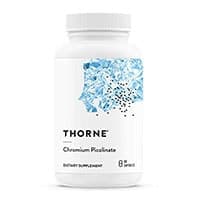
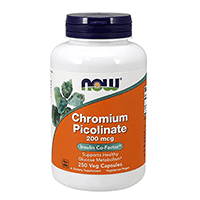
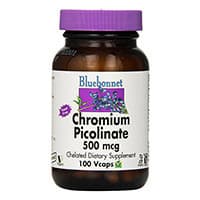
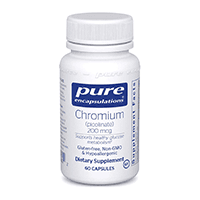
What chromium supplements are trying to accomplish
Chromium is a trace mineral sold mainly in forms like chromium picolinate, polynicotinate, and chloride, often marketed for glucose metabolism support, carb cravings, and “insulin sensitivity” language. Chromium is essential in tiny amounts, but that fact gets stretched into certainty about supplements fixing blood sugar in everyone—which is not what the evidence supports.
The useful shopping frame is mineral discipline: elemental chromium micrograms per serving, form transparency, no mystery blends, and a plan that does not stack multiple glucose-marketed products until you cannot tell what caused shakiness or GI upset.
This guide is educational, not medical advice. If you take diabetes medications (especially insulin or sulfonylureas), have kidney disease, are pregnant or breastfeeding, or have hypoglycemia episodes, discuss chromium with a clinician before adding or increasing doses.
How to use this guide
The shortlist helps you filter for honest elemental dosing, credible manufacturing, and brands that do not bury chromium inside giant proprietary “metabolic matrices.” The body below helps you compare forms without mysticism, avoid double-buying the same mineral across multis, and run a fair trial if your clinician agrees one is appropriate.
If you are comparing glucose-adjacent supplements with stronger human trial cultures, berberine is a different category (plant alkaloid, different monitoring expectations). If you want botanical glucose marketing alongside mineral stacks, cinnamon is a frequent cross-shop—especially because species transparency (Ceylon vs Cassia) matters for long-term dosing safety. For another botanical lane with different tolerability, see bitter melon.
What to look for in a chromium supplement
Elemental chromium in micrograms (mcg), not marketing nicknames
The label should make it easy to see how many micrograms of elemental chromium you take per serving. If the brand only brags about compound weight without elemental clarity, comparison shopping becomes guesswork.
Form choice: picolinate vs polynicotinate vs chloride
People argue endlessly about absorption and “bioavailability.” The honest buyer stance is simpler: pick a reputable brand with transparent elemental dosing and tolerable digestion. If one form upsets your stomach, another may work better for you—within clinician limits.
“GTF chromium” and other legacy language
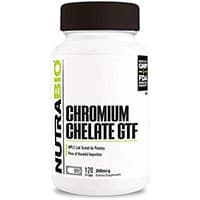
Some labels use glucose tolerance factor wording. Treat it as marketing heritage unless the label still gives clear elemental chromium per serving and credible manufacturing.
Standalone chromium vs metabolic blends
Blends with cinnamon, berberine, bitter melon, banaba, and more are common. They can be convenient, but they increase hypoglycemia risk and make attribution harder. If you take prescriptions for glucose, pharmacist review is smart.
Avoid double-dipping across multivitamins
Check your multi and any “hair/skin/nails” formulas for chromium before adding a standalone product.
Who chromium may be appropriate for (and who should pause)
Often a reasonable fit when
- You have a clinician-approved reason to trial chromium and a clear monitoring plan.
- You can track glucose symptoms without improvising medication changes.
- You read labels to prevent redundant mineral stacking.
Usually a poor DIY fit when
- You use chromium to avoid medical diabetes care, labs, or medication adjustments.
- You have recurrent hypoglycemia and are adding multiple glucose supplements at once.
- You have significant kidney impairment without nephrology guidance.
Compare two chromium labels in 60 seconds
- Step 1: elemental chromium mcg per serving stated plainly?
- Step 2: Form named (picolinate/polynicotinate/chloride)?
- Step 3: servings/day and monthly cost at your dose?
- Step 4: hidden proprietary blends?
- Step 5: overlap with your multivitamin mineral panel?
Common mistakes that waste money
- Buying “max chromium” without elemental math.
- Stacking chromium + berberine + cinnamon + meds and ignoring hypoglycemia signs.
- Expecting craving disappearance as a guaranteed effect.
- Ignoring stomach upset instead of switching forms or stopping.
- Changing five lifestyle variables the same week you start chromium.
What to monitor in the first 4–8 weeks
If your clinician agrees, track glucose readings per your care plan, episodes of shakiness/sweating/confusion, sleep, headache, and GI tolerance. Stop and seek guidance for severe hypoglycemia symptoms, persistent vomiting, or confusion—and involve your prescriber before changing prescription doses based on supplement effects.
FAQs
Does chromium help blood sugar?
Some studies suggest modest benefits in selected populations; results are not consistent enough to treat chromium like a universal glucose fix. Medical management still comes first when diabetes is present.
Which chromium form is best?
Elemental dose and product quality usually matter more than internet form wars. Choose transparent labeling and personal tolerance.
Can chromium cause low blood sugar?
When combined with glucose-lowering medications or multiple supplements, additive effects can happen. That is a reason to involve clinicians and pharmacists.
Is chromium safe for kidneys?
Kidney disease changes what “safe” means for many supplements. Do not improvise high doses if you have impaired kidney function.
Can chromium help PCOS or weight loss?
Some trials explore chromium in PCOS contexts; outcomes vary. Treat weight claims skeptically unless your plan includes sustainable nutrition and activity fundamentals.
How long should I trial one product?
If medically appropriate, use one transparent product for several weeks with stable diet and medication adherence before judging.
How we shortlist products on this page
We prioritize elemental chromium clarity, reputable manufacturing, conservative claims, and formulas that do not encourage risky stacking with prescription diabetes therapy. For how we evaluate products across the site, read our methodology.
Bottom line
Chromium supplements can be a reasonable option for some adults when dosing is expressed clearly in micrograms of elemental chromium and medical context supports a trial. The best purchases are usually simple products from quality-forward brands—not mystery blends priced like a diabetes strategy.
If glucose control is unstable, treat that as a medical optimization problem first—then decide whether chromium still belongs in the plan.