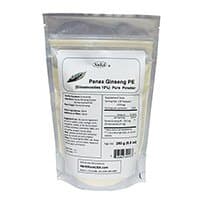
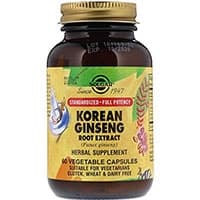
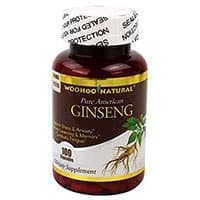
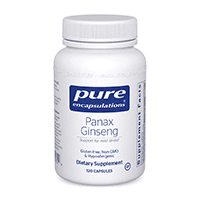
What ginseng supplements are (Panax ginseng, American ginseng, and the “Siberian” naming trap)
When people say ginseng in supplements, they usually mean a Panax species—most commonly Asian/Korean red ginseng (Panax ginseng) or American ginseng (Panax quinquefolius)—standardized around ginsenosides (the triterpene saponin family people treat as the “active fingerprint”). A different plant entirely, Siberian ginseng, is historically called ginseng but is Eleutherococcus senticosus (eleuthero)—similar energy-marketing shelf placement, different chemistry.
Ginseng is not a mellow multivitamin. It can affect sleep, blood pressure sensation, mood activation, and glucose handling in sensitive people, and it has real interaction homework with anticoagulants, diabetes medicines, stimulants, and MAOIs. This guide is educational, not medical advice. If you are pregnant, have uncontrolled hypertension, mania history, take warfarin or antidiabetic drugs, or stack multiple “adaptogen” powders, review ginseng with a clinician or pharmacist before optimizing your hustle stack.
How to use this guide
The shortlist rewards honest species labeling (Asian versus American), ginsenoside standardization that maps to batch testing, credible manufacturing and contaminant testing language, and brands that do not sell ginseng like caffeine-with-a-mandala. The sections below help you match product type to your goal (calm focus versus stimulation), avoid Panax versus eleuthero confusion, and place ginseng next to other adaptogens without double-dipping side effects.
If you want a different adaptogen lane with overlapping stress marketing but distinct thyroid and sedation conversations, read ashwagandha as a contrast category—useful before you buy three powders that all claim the same outcome. If your shopping motive is daytime energy and fatigue tolerance rather than “longevity root” folklore, rhodiola is a frequent shelf neighbor where stimulation timing and insomnia risk also deserve respect. If your label says Siberian ginseng but the Latin name is eleuthero, eleuthero supplements is the correct category page to sanity-check what you actually purchased.
What to look for on a ginseng label
Species and form: white, red, extract concentration
“Korean red ginseng” is a processed Panax product category with its own consumer culture; American ginseng is often marketed as “cooler” or less stimulating—individual response still dominates marketing claims.
Ginsenoside totals and marker honesty
Serious extracts usually state total ginsenosides or specify key markers. Mystery “7% extract” without context is a value trap.
Root powder versus concentrated extract
Powdered root can be legitimate but is not interchangeable milligram-for-milligram with high-concentration extracts—compare categories honestly.
Energy blends and hidden stimulants
Ginseng plus synephrine plus green tea extract plus caffeine is not “synergy”; it is a jitter factory unless you read every line item.
Who ginseng may be appropriate for (and who should be careful)
Often a reasonable fit when
- You want a time-limited trial for subjective energy, focus, or stress tolerance with conservative dosing.
- You take it early in the day if insomnia appears.
- You avoid stacking multiple activating botanicals on day one.
Use extra caution when
- Mania, bipolar disorder, severe anxiety, or panic—activation can worsen episodes.
- Anticoagulants or bleeding risk—case reports and mechanistic concerns exist; clinician input matters.
- Diabetes medicines where unexpected lows can occur—monitoring plans beat optimism.
- Pregnancy—safety framing is not retail-obvious; default to professional guidance.
Evidence expectations: fatigue, cognition, and glucose marketing
Human trials exist across fatigue, cognition, sexual function, and glycemic endpoints, but heterogeneity is high and retail products are not guaranteed to match what was studied. A grounded expectation is individual response trial with sleep and BP honesty—not a guaranteed productivity cheat code.
Compare two ginseng labels in 60 seconds
- Step 1: Latin species named (Panax vs Eleutherococcus)?
- Step 2: ginsenoside standardization stated with clarity?
- Step 3: extract versus root powder category match?
- Step 4: proprietary blend penalty—avoid mystery ratios.
- Step 5: credible third-party testing language?
Common mistakes that waste money
- Buying “ginseng” without confirming Panax versus eleuthero.
- Dosing late and blaming “bad genetics” for insomnia.
- Stacking adaptogen powders until heart rate becomes a hobby.
- Expecting steroid-like vigor from a botanical.
- Ignoring drug interactions because the influencer said “natural.”
What to monitor in the first 2–4 weeks
Track sleep latency, morning resting heart rate if you already measure vitals, anxiety edge, headache, GI upset, and—for diabetes regimens—glucose patterns when habits change. Stop and seek care for chest pain, fainting, severe palpitations, or neurologic symptoms you cannot explain.
FAQs
American ginseng vs Korean red ginseng: which is “stronger”?
Marketing stereotypes exist; your nervous system response is the real judge—start conservative regardless of flag colors on the box.
Can ginseng cause insomnia?
Yes—timing and dose reduction are the first fixes, not heroic doubling.
Is ginseng safe with coffee?
Many people combine them; sensitive people get overstimulated—treat stacking as an experiment with an off-switch.
Does ginseng boost testosterone?
Some trials explore endpoints related to sexual function; do not treat supplements as hormone replacement.
How long should I trial one product?
A disciplined 2–4 week window often reveals tolerance and sleep compatibility—long enough to notice patterns, not long enough to mythologize placebo seasonality.
How we shortlist products on this page
We prioritize species accuracy, ginsenoside transparency, manufacturing credibility, and conservative interaction framing for stimulant stacking, diabetes medicines, and anticoagulants. For how we evaluate products across the site, read our methodology.
Bottom line
Ginseng is a real botanical with real stimulating and pharmacologic edges—not a harmless root tea in a capsule. The best purchase is the one with honest Panax labeling, sane extract disclosure, and a user who refuses to stack it blindly into insomnia, palpitations, or medication chaos.
If fatigue is new, severe, or accompanied by weight change, fever, bleeding, or cardiac symptoms, medical evaluation beats adaptogen shopping.