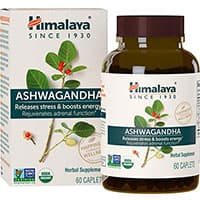
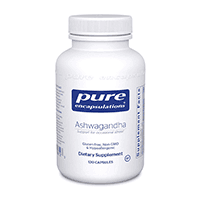
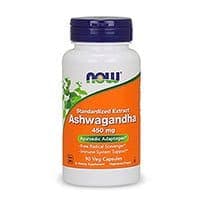
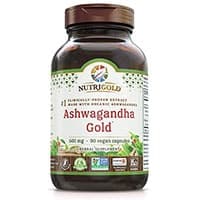
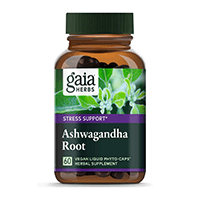
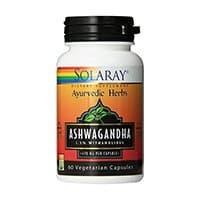
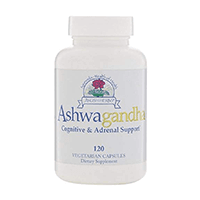
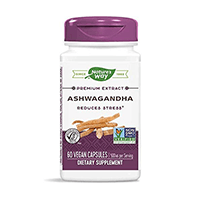
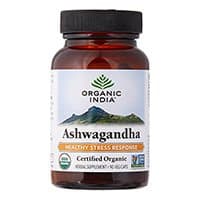
What ashwagandha supplements are (and why extracts are not interchangeable)
Ashwagandha is a root-based Ayurvedic botanical from Withania somnifera, usually sold as capsules or powders marketed for stress resilience, sleep support, mood stability, and sometimes exercise recovery. The supplement problem is not whether ashwagandha “exists”—it is that extract types differ (full-spectrum root concentrates versus high-withanolide extracts versus branded processes), which means two bottles can both say “ashwagandha” while behaving differently for the same person.
That variability is why label shopping should focus on root material, extract disclosure, withanolide standardization when claimed, and daily milligrams you can verify. It is also why medical context matters: ashwagandha is widely treated as gentle online, but real-world use intersects with thyroid hormones, pregnancy risk conversations, sedation stacking, and rare liver intolerance reports.
This guide is educational, not medical advice. If you take levothyroxine, take sedatives or psychiatric medications, are pregnant or breastfeeding, have liver disease, or have autoimmune conditions, discuss ashwagandha with a qualified clinician before starting—especially if you stack multiple adaptogens.
How to use this guide
The shortlist helps you filter for transparent root extracts, credible manufacturing, and brands that do not bury ashwagandha inside proprietary “stress matrices.” The body below helps you match extract type to your goal (daytime stress versus sleep support), titrate sensibly, and interpret effects without changing caffeine, alcohol, sleep schedule, and training volume all in the same week.
If you are comparing adaptogen-style botanicals, rhodiola is a useful contrast (often discussed for fatigue and acute stress tolerance with a different evidence and timing profile). If you want a calming herb from a different tradition with different chemistry, holy basil (tulsi) is a frequent cross-shop. If your stress story is partly muscle tension, poor sleep, and mineral intake gaps, magnesium is a parallel lane with clearer elemental-dose math—often a better “first fix” than stacking three herbs.
What to look for in an ashwagandha supplement
Root extract identity (and skepticism toward mystery “blend roots”)
Look for clear Withania somnifera root extract labeling. If the label cannot state root versus whole plant honestly, treat it as a weaker product.
Withanolide standardization when it is advertised
Some products standardize withanolide glycosides or similar marker language. That can be meaningful for comparing premium extracts—if it maps to per-serving milligrams. A percentage floating without serving math is marketing texture.
Branded extracts versus generic extracts
Branded processes (common industry names you will recognize on labels) can signal consistent manufacturing—but brand is not a substitute for verifying your personal tolerance and dose.
Standalone ashwagandha vs giant adaptogen blends
Blends with rhodiola, cordyceps, L-theanine, and more are popular. They can be fine, but they make attribution and sedation side effects harder to interpret.
Timing: morning versus night depends on your response
Some users feel calmer and sleep better; others feel oddly activated at certain doses. Your best schedule is the one you can run consistently while tracking morning alertness.
Who ashwagandha is often a fit for (and who should pause)
Often a reasonable fit when
- You want a multi-week trial for subjective stress or sleep support with stable caffeine and alcohol habits.
- You can track thyroid symptoms if you are hypothyroid on medication (with medical awareness).
- You can stop early if you notice excessive sedation, mood changes, or GI distress.
Use extra caution when
- Pregnancy, fertility treatment windows, or breastfeeding without clinician-directed choices.
- Autoimmune disease flares or immunosuppression without specialist input.
- Polypharmacy with sedatives, benzodiazepines, sleep prescriptions, or alcohol-heavy evenings.
Compare two ashwagandha labels in 60 seconds
- Step 1: Withania somnifera root extract stated?
- Step 2: mg extract per serving and servings/day?
- Step 3: withanolide disclosure tied to serving math?
- Step 4: proprietary blends hiding dose?
- Step 5: monthly cost at your intended dose?
Common mistakes that waste money
- Hero dosing day one and quitting after nausea.
- Stacking ashwagandha + sedatives + alcohol and blaming “bad luck” for grogginess.
- Expecting stimulant productivity from a calming-marketed herb.
- Ignoring liver warning signs (yellowing skin/eyes, dark urine, severe fatigue).
- Switching branded extracts weekly and learning nothing useful.
What to monitor in the first 4–8 weeks
If your clinician agrees, track sleep latency, night awakenings, morning alertness, anxiety reactivity, GI tolerance, libido changes (sometimes reported), and—if relevant—thyroid symptoms on levothyroxine. Stop and seek urgent care for severe allergic reactions, confusion, fainting, or severe abdominal pain with jaundice signs.
FAQs
How long does ashwagandha take to work?
Many users evaluate over weeks, not hours. If you cannot commit to a stable trial window, you will not learn much from ashwagandha specifically.
Can ashwagandha affect thyroid labs?
Thyroid-sensitive users should involve a clinician; do not improvise levothyroxine dose changes based on supplement effects.
Can ashwagandha cause liver injury?
Rare liver injury reports exist in the broader literature; causality is debated. The practical stance is: stop and seek medical evaluation if liver warning signs appear.
Is ashwagandha safe with antidepressants?
Polypharmacy deserves pharmacist review—especially with sedating medications.
Does ashwagandha increase testosterone?
Some trials explore testosterone-related endpoints in selected populations; marketing often outruns evidence. Treat hormone claims as clinician territory if symptoms matter medically.
How long should I trial one product?
If medically appropriate, use one transparent extract for 4–8 weeks with stable habits before switching brands.
How we shortlist products on this page
We prioritize root extract transparency, honest withanolide disclosure when claimed, manufacturing credibility, and conservative safety framing for thyroid, pregnancy, liver, and sedation contexts. For how we evaluate products across the site, read our methodology.
Bottom line
Ashwagandha can be a reasonable option for some adults seeking stress or sleep-adjacent support when labels are honest and medical context is not contraindicated. The best purchases are usually well-characterized root extracts from quality-forward brands—not mystery adaptogen stacks priced like certainty.
If mood symptoms are severe, suicidal, or rapidly escalating, treat that as an emergency mental health context first—herbs are not the correct front-line tool.