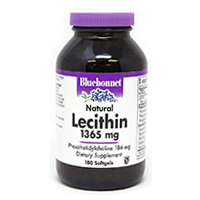
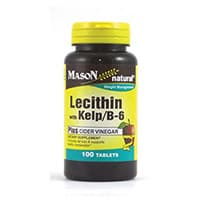
Who this lecithin guide is for
If you are shopping for lecithin supplements for cognitive support routines, lipid-focused wellness goals, or general nutrition stack planning, you have probably noticed labels that look similar but differ in source quality and formula transparency. The real challenge is choosing a product with clear phospholipid positioning, practical serving design, and reliable everyday usability.
This page is for adults comparing lecithin supplements in a practical, label-first way. The ranked list above is your shortlist; the content below helps you compare source type, serving strength, added ingredients, and monthly value before you buy.
If your broader focus includes memory and cognition support, compare how lecithin fits alongside targeted categories like nootropic supplements so your stack stays intentional.
How to use this page
Use this page in two passes. First, choose 2-3 products from the ranked shortlist above. Second, compare those finalists based on lecithin source (soy/sunflower/other), serving amount, format practicality, and cost per effective day.
The ranked block handles order. This body helps you avoid common buying mistakes, such as choosing a product with vague source labeling or overpaying for blends that do not clearly disclose active amounts.
If your goal includes broader lipid-aware supplementation, keep label standards consistent across adjacent categories and compare ingredient transparency, not just marketing language.
What to look for in a lecithin supplement
1) Source clarity (soy, sunflower, and beyond)
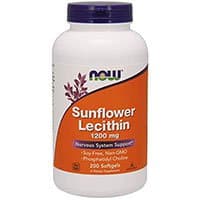
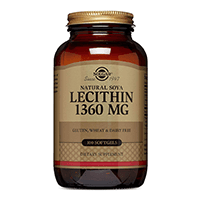
Lecithin source matters for preference, dietary fit, and label trust. Quality products clearly identify source and serving amount so you can compare options accurately. If source details are vague, move on.
Transparent sourcing is one of the fastest ways to filter out low-confidence products.
2) Phospholipid positioning and serving transparency
Some products provide better detail on phospholipid content or related compounds, while others rely on generic front-label language. Clear active amounts per serving are essential if you want a fair comparison across brands.
Do not assume two products are equivalent just because both say “lecithin” on the front.
3) Format and adherence (powder, softgel, capsule)
Format affects routine success. Powders can be flexible but may be less convenient. Softgels/capsules can be easier for consistency but may require higher daily counts. Choose the format you will actually use for months, not days.
4) Added ingredients: useful support or unnecessary complexity?
Some lecithin products include extra cognitive or wellness ingredients. That can be useful in specific routines, but only when each active is clearly dosed and relevant to your goal.
If blend labels are unclear, a cleaner single-focus product often gives you better control. For adjacent phospholipid comparison, use phosphatidylserine supplements as a benchmark category.
5) Cost per realistic month
Compare by true daily serving cost, not bottle price alone. A lower-priced product can become poor value if serving size is small or practical use requires multiple servings per day.
If you are comparing mitochondrial-energy style add-ons, review separate categories like PQQ supplements instead of relying on under-dosed combo formulas.
Common mistakes to avoid
- Ignoring source labeling. Always verify where lecithin is derived from before buying.
- Buying by front-label claims only. Check supplement facts for actual serving transparency.
- Overstacking cognitive products. Too many overlapping formulas can add cost without clearer outcomes.
- Choosing inconvenient formats. If routine friction is high, adherence usually drops.
- Comparing price without serving math. Cost per effective day is the metric that matters.
FAQs
Is sunflower lecithin better than soy lecithin?
Neither is universally better for everyone. Many buyers choose based on dietary preference, tolerance, and sourcing transparency. The most important factor is a clear, trustworthy label with practical serving design.
What should I check first on a lecithin label?
Start with source type, amount per serving, and serving size requirements. If these basics are unclear, quality and value comparisons become unreliable.
Should I choose lecithin alone or in a blend?
Single-ingredient products are often easier to evaluate and adjust. Blends can be useful, but only when all key ingredients are transparently dosed.
Can I combine lecithin with other cognitive supplements?
Yes, many people do. But overlap should be intentional. If you already use phospholipid-focused products, review your full stack before adding additional compounds with similar positioning.
How long should I trial one lecithin product?
Use one product consistently long enough to judge routine fit and tolerability. Frequent switching usually creates noise and makes it harder to evaluate practical usefulness.
Is powder or softgel better for lecithin?
It depends on your routine. Powder can be flexible and economical; softgels often improve convenience. The best option is the one you can use consistently with minimal friction.
How we shortlist products
Products are compared using structured product data and editorial review criteria focused on transparency, formulation quality, practical usability, and value. The goal is to help you narrow options with less guesswork and less marketing noise.
For broader transparency on ranking principles across the site, see our methodology page.
Bottom line
The best lecithin supplement is the one with clear source labeling, transparent serving design, and a format you can realistically use every day.
Prioritize clarity over hype, keep your stack focused, and choose consistency over complexity.