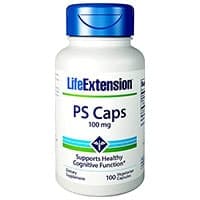
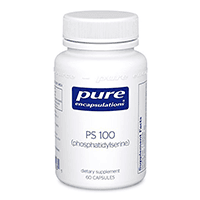
Who this phosphatidylserine (PS) guide is for
Phosphatidylserine is a phospholipid ingredient that shows up in “brain support,” stress-adjacent, and performance-nutrition supplement stacks. If you are comparing PS products, you are usually trying to answer a few boring-but-important questions: how many milligrams per day you are actually getting, whether the formula is PS-focused or buried in a nootropic blend, and whether the product is worth the monthly cost once you account for capsule burden.
This guide is for adults comparing PS supplements in a practical, label-first way. The ranked list above is your shortlist; the sections below help you evaluate milligram transparency, soy versus sunflower sourcing (when disclosed), blend quality, stack overlap, and adherence.
Educational only—not medical advice. If you take medications (especially anticoagulants or antiplatelet drugs), have a diagnosed neurological or psychiatric condition, are pregnant or breastfeeding, or have complex health issues, involve a clinician before changing your supplement plan.
How to use this page (shortlist + label discipline)
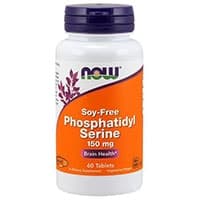
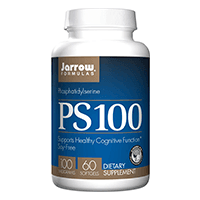
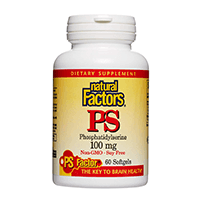
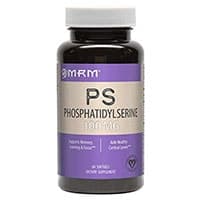
Use a two-step workflow. First, pick 2-3 finalists from the ranked products above based on format, price, and initial label clarity. Second, compare those finalists using the criteria below—especially PS milligrams per serving, servings per day, and whether the product is standalone PS or a multi-ingredient cognitive blend.
The ranking block reflects our site’s structured data and editorial review approach; this article does not re-rank the list in prose. For transparency on how ranking information is presented across Top10Supps, see our methodology page.
Because PS is a phospholipid, shoppers often compare it alongside other phospholipid-adjacent categories. Use lecithin supplements as a parallel lane for how brands communicate sourcing and serving design when the ingredient family is “lipid-ish” rather than a simple vitamin.
What to look for in a phosphatidylserine supplement
1) Milligrams per serving: the number that drives every fair comparison
Start with PS milligrams per serving from the supplement facts panel—not the front label. Then multiply by how many capsules or tablets you need per day to reach the label’s suggested use. If you cannot do that math in two minutes, the label is not doing its job.
Also watch for “proprietary cognitive blends” where PS is listed without a clear amount. That pattern makes it impossible to compare value, tolerance, or stack overlap responsibly.
2) Source transparency: soy-derived, sunflower-derived, or unspecified
Some brands clearly state whether PS is derived from soy or sunflower lecithin (or other disclosed sources). Others leave sourcing vague. You are not required to have a preference—but you should know what you are buying, especially if you avoid soy for dietary reasons.
If sourcing matters to you, treat unclear labels as a filter, not something to “figure out later.”
3) PS-only formulas versus nootropic blends
Single-ingredient PS products are usually easier to evaluate because the supplement facts panel answers the key question directly: how much PS am I taking?
Blends can be useful when each ingredient is clearly dosed and aligned with your goal. But blends that hide actives behind proprietary matrices are usually a poor deal for shoppers who want predictable dosing and clean troubleshooting if something does not agree with them.
4) Stack overlap: choline, racetam-adjacent shopping, and “too many brain pills”
PS stacks often live next to other cognitive-support ingredients. Before you add PS, write down what you already take and why. If your routine already includes multiple “focus” products, you may be paying for overlap without clarity.
For “cell energy” positioned add-ons that frequently appear near PS in stacks, compare label norms using PQQ supplements as a separate decision lane—milligram clarity, combo formulas, and whether you truly need both categories.
5) Omega-3 context: separate goals, cleaner stacks
Many cognitive stacks include fish oil or algae oil for fatty-acid support. That can be coherent, but it should be intentional: fatty-acid products have their own milligram logic (EPA/DHA), while PS has its own serving logic. Mixing goals without a plan is how people end up with six products and no idea what each one is doing.
If you already use omega-3 products, compare transparency using fish oil supplements as a benchmark category for serving design and per-day economics—then decide whether PS adds a distinct role.
6) Timing, tolerance, and adherence
Some labels suggest taking PS with food; others may differ. Follow label directions and your clinician’s guidance. Practical adherence beats theoretical optimization: choose a schedule you can maintain for weeks, not a perfect protocol you abandon after four days.
If you experience headaches, GI upset, or unusual symptoms after starting PS, stop and reassess with a professional rather than “pushing through.”
7) Cost per month at realistic intake
Calculate monthly cost using:
- PS mg per day at your intended use
- capsules per day
- servings per container
Two bottles at the same shelf price can imply very different monthly costs once capsule math is included.
Common mistakes to avoid
- Buying “nootropic” branding without PS milligrams.
- Stacking redundant phospholipid and choline-adjacent products blindly.
- Ignoring capsule burden. High pill counts reduce adherence.
- Switching products weekly—you will not learn tolerance or routine fit.
- Ignoring medication context—especially anticoagulant/antiplatelet considerations.
FAQs
What is phosphatidylserine used for in supplements?
Products are commonly positioned for cognitive performance support, stress-adjacent routines, and general “brain health” marketing contexts. Individual response varies; label clarity and adherence still matter most for buying decisions.
Is soy-derived PS worse than sunflower-derived PS?
Neither is universally “better.” Choose based on disclosed sourcing, tolerance, dietary preferences, and label transparency.
Should PS be taken with food?
Follow the product label and your clinician’s guidance. Consistency matters more than chasing perfect timing on day one.
Can I combine PS with fish oil?
Many people do, but stack roles should be intentional. Keep fatty-acid dosing decisions separate from PS dosing decisions so you can evaluate what is actually doing what.
How long should I trial one PS product?
Give one formula enough consistent use to judge adherence and tolerability. Rapid switching usually creates noise, not clarity.
What if I hate swallowing capsules?
Look for alternative formats if available, fewer capsules per day at your target dose, or discuss options with a clinician—especially if swallowing is medically difficult.
How we shortlist products
Our shortlist is built from structured product data and editorial review criteria focused on transparency, practical usability, and value. Rankings can change as formulations and availability change.
Bottom line
The best phosphatidylserine supplement is usually the one with clear PS milligrams, a realistic daily serving you can maintain, and a monthly cost that still makes sense after dose-adjusted math—without redundant overlap in the rest of your cognitive stack.
Prioritize label clarity over hype, keep stack roles explicit, and involve a clinician when medical risk factors or prescriptions are in play.