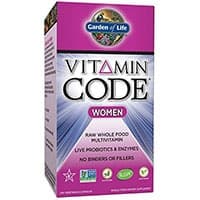
Garden of Life Vitamin Code Women
Garden of Life

Ranking
We’ve researched and compared the best multivitamins for women to buy this year. These 10 women’s multivitamins have the most positive feedback.
Updated

Shortlist
Structured picks from our database: scores, labels, and buy links where we track offers. Always read labels and your own goals before buying.
We may earn a commission when you buy through links on this site. Learn more.
Garden of Life
Rainbow Light Women’s
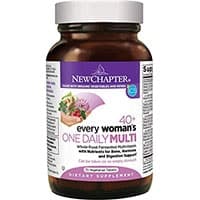
New Chapter Every
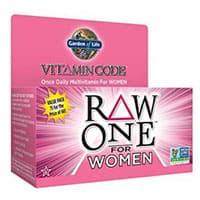
Garden of Life
SmartyPants Women’s Complete
MegaFood Women’s One
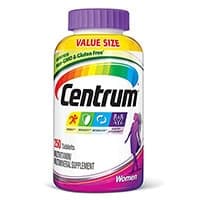
Centrum Women
NOW Eve
Bayer HealthCare One
The Institute of Medicine and the National Academy of Sciences have published guides listing the Dietary Reference Intakes (RDI) amounts of every essential vitamin and mineral.
You can use these figures to determine the amount of these nutrients you need on a daily basis, and how much you can take before experiencing side effects.
Keep in mind that these RDI and RDA figures are for the average individual. Amounts may need to be adjusted based on your age, weight, diet, and several other factors.
Speak to your doctor to determine more exact figures for your individual needs.
Yes, you absolutely need more vitamins and minerals during pregnancy! In addition to all the typical nutrients your body needs on a daily basis (most of which you can get from your diet), you’ll need extra nutrients during pregnancy, including folic acid, iron, iodine, and calcium.
In fact, some experts recommend that all women who may become pregnant take a nutrient-dense prenatal vitamin. This is because a lot of folic acid is needed in the early stages of pregnancy, often before the woman knows that she has become pregnant.
To protect against neural tube defects, at least 400mcg of folic acid per day is recommended for anyone who may become pregnant.
If you’re actively trying to get pregnant, then taking a prenatal is fine for the short term. However, prenatal vitamins can have negative effects in the long term, so most doctors no longer recommend them for daily use unless a pregnancy is likely.
The good news is that nowadays, most women’s multivitamins contain at least 400mcg of folic acid, which is the minimum amount recommended for a healthy pregnancy.
On a daily basis, you will get a good portion of the necessary vitamins and minerals from the foods you consume. If you eat a healthy, balanced diet with plenty of lean meats, vegetables, and fruits, you may get adequate nutrients from your diet alone.
However, our modern diets leave a lot to be desired. Processed foods and cheap, convenient meals do not contain adequate nutrition to support a healthy lifestyle. In fact, every step in the processing of foods removes additional nutrients. This means that that frozen meal you’re about to eat contains just a small portion of the nutrients that those raw ingredients once had.
If you eat a very healthy diet full of fruits and veggies and plenty of unprocessed foods, you’ll likely get enough vitamins and minerals from your diet. However, the vast majority of people do not eat balanced, healthy diets, and therefore do not get enough vitamins.
To help supplement your dietary intake of nutrients, you can take a women’s multivitamin, usually once per day.
Multivitamins are nutritional supplements that generally come in the form of pills, capsules, or tablets.
They combine essential and nonessential nutrients, vitamins, minerals, and herbal supplements to create a simple way to supplement nutritional needs.
Women’s multivitamins will contain the vitamins and minerals recommended for everyone, with extra ingredients added specifically to support the female body, such as folic acid, iron, vitamin B12, and B6, amongst others.
Multivitamins are intended to supplement a healthy diet, filling in the nutritional gaps. Multivitamins cannot replace or “fix” a poor diet, however.
Establishing and following healthy eating habits should be your #1 priority.
Unfortunately, there’s no “magic pill” to make you healthy – although multivitamins can help you maintain proper levels of vitamins and minerals.
Multivitamins are incredibly popular, as one of the most commonly taken supplements. They provide a wide range of nutrients, minerals, and vitamins.
Some are designed specifically for women, with extra ingredients added specifically for women’s health. Some primary uses of multivitamins for women include:
There are also some more concrete examples of how multivitamins can help strengthen your overall health. Perhaps most impressive is this Journal of Nutrition study, which found that women who took a daily multivitamin showed a decreased risk of heart disease.
The majority of women can benefit from taking a multivitamin, although the benefits you notice will vary depending on your diet and nutrition habits.
Here are the people that will benefit the most from adding a multivitamin supplement to their daily routine:
The majority of multivitamins are taken on a daily basis. Often they are once-daily pills, but sometimes they are taken 2-3 times per day in small doses. ALWAYS follow the instructions on the product packaging. There is no benefit to taking more than the recommended dose.
In fact, taking too many vitamins can cause harmful side effects. Do not take more than the recommended dose unless specifically instructed to by a medical professional.
If the multivitamin you’re using is a once-daily, it’s best to take it in the morning. This will help provide energy for your day and allow plenty of time for the nutrients to digest.
If you’re wondering if you could benefit from multivitamins, we recommend talking to your doctor to discuss your options.
For most people, taking multivitamins will not cause any side effects. That being said, consuming too much of a particular vitamin can cause side effects. If you take more than the recommended dose of a multivitamin or take other vitamin supplements in addition to a multivitamin, you may be consuming too much of these nutrients.
As long as you don’t take more than the recommended serving of a multivitamin each day, you shouldn’t experience any side effects. If you do, side effects are generally mild.
The side effects you may experience from having excess vitamins in your system vary depending on the particular vitamin or mineral you have an excess of. Excess iron and calcium can cause toxicity symptoms, which can be significant. Other minerals and vitamins can cause mild to moderate side effects if taken in excess.
As long as you do not exceed the recommended dose on your multivitamin packaging, you should not worry about getting too many vitamins in your diet. If you have questions or concerns, speak to your doctor.
As with just about any product nowadays, there is a huge number of options when it comes to choosing a women’s multivitamin.
While it’s difficult to choose a single best product, let’s take a look at some of the things you should look for when choosing a multivitamin.
We all know that when it comes to being healthy, there are a lot of factors that are important to pay attention to. Physical exercise is, of course, a huge part of staying in shape and maintaining good health.
However, the single most important factor in overall health is maintaining a healthy diet.
Every day, our bodies need a certain amount of macronutrients like proteins, carbohydrates, and fats, and a certain amount of micronutrients like vitamins and minerals. To maintain good physical and mental health, a balanced diet is vitally important.
Balancing your food intake and getting enough protein and healthy fats in your diet are essential to healthy living. Getting the proper amount of vitamins and minerals is even more important.
Vitamins and minerals are essential nutrients. They help play hundreds of roles in the body, from maintaining the immune system to strengthening bones to healing wounds and so much more.
Because men’s and women’s bodies are significantly different, women require different amounts of certain vitamins and minerals than men do.
There are certain vitamins that are essential for women, but much less important for men. Vitamins and minerals play a large role in reproductive health and are especially needed during pregnancy. This is also the reason why a large variety of really good men’s multivitamins exist too.
Now that you’ve learned more about multivitamins and what they can and cannot do, you have the tools needed to select the best product for you. While any product on this list would be a good choice, the best one really depends on your individual needs and budget.