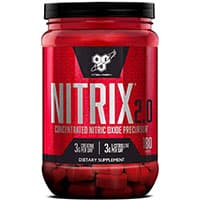
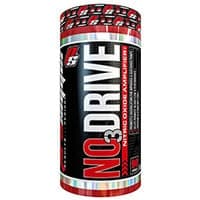
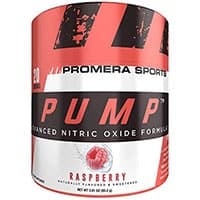
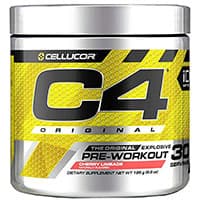
What nitric oxide supplements are (and why “NO boosters” are usually amino acids in cosplay)
Nitric oxide (NO) is a signaling molecule involved in blood vessel tone and exercise physiology; retail “nitric oxide supplements” rarely contain nitric oxide gas in a jar. Instead, they usually bundle ingredients intended to support NO-related pathways—most commonly L-citrulline and/or L-arginine, sometimes nitrates from beetroot-style concentrates, plus pump-stack extras like glycerol, agmatine, or redundant “matrix” ingredients at doses that look impressive only if you squint.
This guide is educational, not medical advice. If you take PDE5 inhibitors (erectile-dysfunction medicines), nitrates, aggressive blood pressure medications, have hypotension symptoms, kidney disease, or a history of herpes flares tied to arginine-heavy experimentation, NO-pathway stacks are pharmacist-and-clinician territory—not a gym PR experiment.
How to use this guide
The shortlist favors transparent grams per ingredient (especially citrulline and arginine), honest distinction between citrulline and citrulline malate math, minimal proprietary “pump matrix” curtains, and credible manufacturing/testing language. The sections below help you avoid paying for three underdosed pump ingredients when one well-dosed ingredient would have been cheaper and clearer.
If you want the most common modern free-amino approach, start with citrulline supplements—often better tolerated orally than big arginine salt doses for many users, which is why citrulline migrated from forums into mainstream labels. If you are comparing the classic arginine route, arginine supplements helps you understand GI tolerance economics and why blends still sell arginine anyway—marketing inertia is a real ingredient. If you want the highest-evidence training staple that is not the same mechanism as vasodilation “feel,” read creatine supplements so you do not mistake pump skin-splitting theater for the foundation of strength progress.
What to look for on a nitric oxide label
Actual grams, not “NO complex” poetry
Demand milligrams/grams for each active. If the label hides doses, you cannot consent to headaches or hypotension symptoms.
Citrulline versus citrulline malate labeling
Malate is not gram-for-gram equivalent to free citrulline; serious brands make the conversion obvious.
Arginine dose reality versus stomach rebellion
High arginine can nauseate; splitting doses or choosing citrulline may be more sustainable—individual, not ideological.
Nitrates and medication interactions
Beet/nitrate concentrates are not “gentle plants” when combined with the wrong prescriptions—interaction seriousness is prescription-grade.
Who nitric oxide stacks may be appropriate for (and who should be careful)
Often a reasonable fit when
- You want a training-day pump sensation and tolerate vasodilation-adjacent supplements.
- You read full panels and avoid duplicate citrulline across pre-workout, pump powder, and intra blends.
- You monitor dizziness, headache, and blood pressure symptoms honestly.
Use extra caution when
- Orthostatic dizziness, dehydration, or heat illness risk—vasodilation plus bad hydration is a bad combo.
- Herpes triggers historically tied to arginine stacks—personal patterns matter.
- Competition drug testing—choose programs that match federation expectations.
Evidence expectations: pumps, endurance, and marketing certainty
Acute vasodilation “feel” is real for many users; durable performance translation varies by dose, training type, and placebo seasonality. A grounded stance is: buy NO-adjacent products for session experience and individual response, not because they rewrite cardiovascular risk or guarantee hypertrophy.
Compare two nitric oxide products in 60 seconds
- Step 1: citrulline grams (free or malate clarified)?
- Step 2: arginine grams if used—tolerable for you?
- Step 3: nitrate source disclosed with dose?
- Step 4: proprietary blend penalty?
- Step 5: banned-substance testing if you compete?
Common mistakes that waste money
- Stacking three pump powders and wondering why headaches arrive.
- Buying fairy-dust matrices instead of one honest ingredient.
- Confusing skin pump with muscle gain as measured by training logs.
- Ignoring medication interactions because the tub looks sporty.
- Underdosing everything then declaring science failed.
What to monitor in the first 1–2 weeks
Track headache, facial flushing, dizziness on standing, nausea, and sleep if evening training stacks include stimulants too. Stop and seek care for chest pain, fainting, or sustained palpitations—do not “push through” with more pump powder.
FAQs
Do nitric oxide supplements raise blood pressure?
Many users worry about increases; vasodilation stacks more often trend hypotension-symptom in sensitive people—symptoms matter more than category stereotypes.
Citrulline or arginine?
Often citrulline for tolerance; arginine still appears in blends—personal response decides.
Can I take nitric oxide supplements with Viagra?
Do not improvise dangerous combinations—clinician coordination is mandatory.
Will NO boosters help ED?
That is medical territory; supplements are not a safe substitute for prescribed evaluation.
How long should I trial one product?
A few representative training weeks beat one novelty arm day—tolerance and blood pressure response matter.
How we shortlist products on this page
We prioritize dose transparency, interaction humility, manufacturing credibility, and brands that do not sell pump as permanent physique change. For how we evaluate products across the site, read our methodology.
Bottom line
Nitric oxide marketing sells certainty; physiology delivers individual variability. The best purchase is the one with honest grams, minimal mystery blends, and a user who refuses to stack duplicate vasodilators across every flavored powder in the cabinet.
If cardiovascular symptoms appear with new supplements, medical evaluation beats stronger pumps.