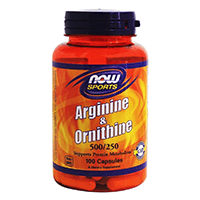
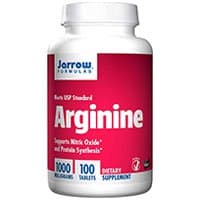
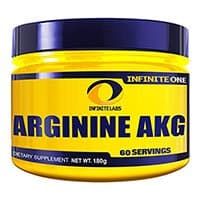
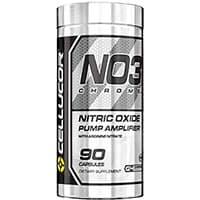
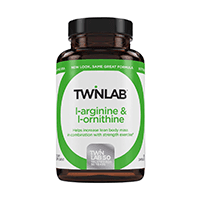
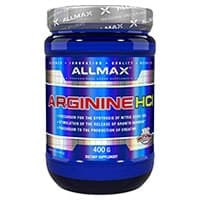
What L-arginine supplements are (an amino acid sold for blood flow, exercise, and “pump” goals)
L-arginine is a conditionally essential amino acid involved in the nitric oxide (NO) pathway, which is why it shows up in pre-workout powders, “vascularity” stacks, and cardiovascular-adjacent marketing. In supplements it is commonly sold as L-arginine HCl or as alpha-ketoglutarate (AAKG) salts, sometimes blended with citrulline, ornithine, or beet extracts. The uncomfortable retail truth: oral arginine can be GI-unfriendly at the doses marketing loves, and human performance outcomes are more mixed than pump culture suggests.
This guide is educational, not medical advice. If you take PDE5 inhibitors (erectile-dysfunction medicines), nitrates, aggressive blood pressure medications, have herpes simplex flares historically tied to arginine-heavy experimentation, have kidney disease, or you are trying to self-treat chest pain or new palpitations, arginine stacks are pharmacist- and clinician-territory—not a self-serve vasodilation hobby.
How to use this guide
The shortlist favors transparent grams per serving (not proprietary “NO matrix” curtains), honest salt-form disclosure, credible manufacturing and contaminant testing language, and brands that do not promise disease cures from amino acids. The body below helps you compare arginine to citrulline for tolerance and dose realism, read pump blends without doubling vasodilators blindly, and place arginine next to higher-evidence training staples.
If you are cross-shopping the pathway most lifters tolerate better orally, read our citrulline supplements page—many people land on citrulline after arginine’s nausea math stops being worth it, not because citrulline is magically moral, but because compliance and grams swallowed matter. If your label is really selling “nitric oxide support” as a theme, nitric oxide supplements is the broader category frame where beet extracts, redundant pump ingredients, and underdosed everything-at-once blends live—read it before you buy three overlapping bottles. If you want the highest-evidence training staple separate from vasodilation “feel,” keep creatine supplements in the correct priority lane—daily saturation matters more than whether your forearm veins look cinematic on Instagram.
What to look for on an arginine label
Grams per day versus GI tolerance
Many “clinical sounding” doses are hard to maintain if you spend your day nauseated. Split dosing with meals can help some people; others still quit—honesty about your stomach is part of product selection.
HCl versus AAKG: marketing versus meaningful difference
Salt forms change weight and taste; they do not automatically rewrite outcomes. Demand clear gram disclosure for the arginine contribution you think you are buying.
Stacks: citrulline + arginine + nitrates + caffeine
Each add-on changes side-effect risk. Read the full panel, especially if you take blood pressure medications or ED drugs.
Herpes trigger conversations
Mechanistic worries exist in patient communities; individual triggers vary. If cold sores correlate tightly with arginine-heavy stacks, that pattern is worth respecting even when forums argue.
Quality signals
Powders and high-dose capsules deserve credible testing language—especially when sold in aggressive fat-burner adjacent branding.
Who arginine may be appropriate for (and who should be careful)
Some informed adults use arginine as a personal experiment for exercise pumps or vascular “feel” when tolerated. Extra caution applies with hypotension symptoms, pregnancy, kidney impairment, and any history of syncope when standing quickly—vasodilation stacks are not free.
Evidence expectations: pumps, endurance, and cardiovascular claims
Arginine has real biochemical roles; retail pages often leap from roles to outcomes. A grounded stance is: trial with a stop rule—if sleep, blood pressure symptoms, or GI misery worsen, the experiment failed even if the label promised vascularity.
Mistakes people make with arginine
- Equating pump with fitness progress while ignoring training logs.
- Stacking multiple NO ingredients and wondering why headaches arrive.
- Ignoring medication interactions because amino acids sound “natural.”
- Megadosing through nausea as discipline.
- Buying mystery blends where grams cannot be computed.
Compare two arginine products in 60 seconds
- Step 1: L-arginine grams per serving stated plainly?
- Step 2: salt form named (HCl vs AAKG)?
- Step 3: proprietary blend penalty?
- Step 4: stimulants hidden in “performance” stacks?
- Step 5: banned-substance testing if you compete?
What to monitor in the first 1–2 weeks
Track nausea, diarrhea, headache, dizziness on standing, sleep disruption if evening doses stack with caffeine, and herpes flare patterns if historically relevant. Stop and seek care for chest pain, fainting, or sustained palpitations—do not forum-diagnose cardiac symptoms.
FAQs
Arginine versus citrulline: which is better?
Many users tolerate citrulline better at higher effective dosing; arginine still appears in blends because supply chains and marketing inertia exist. Your stomach and training goals decide more than tribal slogans.
Does L-arginine help ED?
Some trials explored endpoints related to vascular function; self-treating ED while stacking with prescription PDE5 inhibitors can be dangerous. Medical evaluation and pharmacist coordination beat supplement roulette.
Can arginine lower blood pressure?
Vasodilation is plausible; responses vary. If you take antihypertensives or feel orthostatic, monitor symptoms and involve clinicians rather than chasing deeper pumps.
Will arginine help muscle growth?
Not as a primary lever compared with calories, protein totals, and progressive overload; it is mostly a pump and tolerance story for most buyers.
How long should I trial one product?
If GI tolerance is acceptable, a few representative training weeks beat one novelty arm day—change one variable at a time so you learn something true.
How we shortlist products on this page
We prioritize gram transparency, conservative interaction framing for vasodilators and antihypertensives, manufacturing credibility, and brands that do not sell amino acids as disease cures. For how we evaluate products across the site, read our methodology.
Bottom line
L-arginine is a legitimate NO-pathway ingredient for some people, but it is not automatically the best-tolerated or best-evidence tool in the whole pump aisle. The best purchase is clearly dosed, stack-aware, and compatible with your medication reality—not the biggest scoop on the shelf.
If cardiovascular symptoms appear with new supplements, emergency care beats stronger vasodilation stacks.