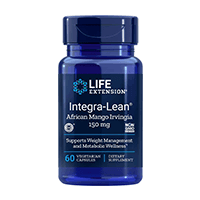
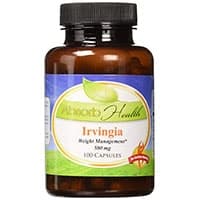
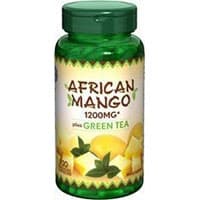
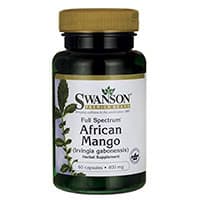
Why people shop African mango supplements
African mango usually refers to extracts from seeds of Irvingia gabonensis, a West African fruit also called wild mango or bush mango. Supplement labels typically market it toward people thinking about appetite, body composition, and metabolic wellness—often alongside diet and exercise goals. Retail copy can run hot; a useful guide stays grounded in label transparency, realistic timelines, and the fact that supplements are not approved drugs for weight loss.
This page is educational, not medical advice. If you have diabetes, PCOS, thyroid disease, eating-disorder history, or take glucose-lowering medications, discuss new botanicals with a clinician—especially before stacking multiple “metabolism” ingredients. Pregnancy and breastfeeding deserve professional input, not forum consensus.
Below the shortlist, we cover seed extract versus powders, proprietary blends, expectations, and common mistakes. For how we evaluate products in ranked guides, see our methodology.
How to use this guide
Use the ranked list as a quality filter for brands that disclose what you are actually swallowing—not as proof of outcomes. African mango products vary in extract strength, serving size, and whether the formula is a single ingredient or a crowded weight-management blend. Decide upfront whether you want a clean trial (one variable) or a combo product (fewer capsules, harder troubleshooting).
Shoppers in this category often cross-compare glucose-adjacent botanicals. If you are evaluating meal-timing or carbohydrate-adjacent marketing stories, our guides to white mulberry supplements and banaba leaf supplements explain different plants with different labeling norms. For a widely discussed metabolic botanical in a parallel lane, see our berberine supplements guide—useful context so you do not treat every “metabolic support” capsule as interchangeable.
What to look for
Seed extract identity and potency disclosure
Look for clear identification of plant part (typically seed) and extract ratio or standardization when the brand claims it. Vague “African mango powder” may not match what research discussions refer to as concentrated seed extract. If the front label shouts benefits but the supplement facts hide amounts in a proprietary blend, treat that as a comparison-shopping red flag.
Serving math and daily cost
Calculate true daily intake: some labels quote per-capsule numbers while directions require multiple capsules before meals. “Cheap per bottle” can evaporate when the effective monthly dose is higher than you assumed.
Blends: caffeine, fiber, and duplicate ingredients
Weight-category formulas may stack stimulants, fibers, and herbal extracts. Read the entire panel for overlapping ingredients you already take elsewhere (pre-workouts, fat burners, other diet products). Unexpected stacking is a common source of jitteriness, sleep disruption, and GI distress.
GI tolerance and fiber load
Some users report bloating or changes in stool habits when introducing new fibers or botanicals. Start conservatively if you have IBS history unless a clinician advises otherwise, and separate new variables so you know what caused what.
Who should be especially cautious
- Blood sugar medications: additive hypoglycemia risk is possible—medical supervision matters.
- Blood pressure and heart rate: stimulant-containing blends can be problematic—read labels carefully.
- Liver and kidney conditions: polyherbal stacks increase uncertainty—ask a clinician before experimenting.
Mistakes to avoid
- Expecting rapid scale victories from a capsule alone. Sustainable composition changes usually track behavior patterns, protein intake, sleep, and training—not a single ingredient.
- Rotating five “fat loss” supplements weekly. If nothing is controlled, nothing is learnable.
- Ignoring sleep and stress. They move appetite and adherence more than most bottles.
- Buying solely from before/after imagery. Demand supplement facts, not vibes.
FAQs
What is African mango extract?
It typically refers to concentrated preparations from Irvingia gabonensis seeds, sold in capsules or tablets as a dietary supplement. Exact composition varies by manufacturer and extraction method.
Is African mango the same as regular mango fruit powder?
Not necessarily—species, plant part, and processing differ. Buy what the supplement facts identify clearly rather than assuming grocery-fruit equivalence.
When should I take it?
Follow the product label unless your clinician advises otherwise. Meal-adjacent timing is common in this category; consistency matters more than chasing a “perfect” minute.
What side effects are commonly discussed?
Digestive upset, headache, and sleep disruption (especially in stimulant-containing blends) appear in anecdotal reports—this is not a complete list. Stop and seek medical advice for severe symptoms, allergic reactions, or signs of low blood sugar if you are on glucose-lowering drugs.
Can athletes use these products?
If you compete under anti-doping rules, treat every supplement as a liability until your governing body’s guidance is satisfied—this guide cannot certify eligibility for your sport.
How long should I evaluate a transparent product?
Give a stable serving several weeks while holding calories, steps, and training as steady as practical—then judge fairly. One vacation week can erase subtle effects.
How we shortlist products
Our rankings emphasize label clarity, credible manufacturing cues, fair value for disclosed extract content, and fit for typical buyer needs—whether you want a single-ingredient seed extract or a carefully disclosed blend. Rankings are editorial guidance, not medical advice. For the full framework, read the methodology page.
Bottom line
African mango supplements can be worth comparing if you want a seed-extract botanical commonly discussed alongside appetite and metabolic wellness goals—but “commonly discussed” is not the same as guaranteed results. Prioritize transparent milligrams, avoid reckless stacking with stimulants and other glucose-adjacent herbals, and keep clinician oversight when medications or medical conditions are in play.
Use the shortlist to narrow credible candidates, then choose based on honest daily cost, capsule burden, and whether you truly want Irvingia as a solo ingredient or as part of a broader formula.