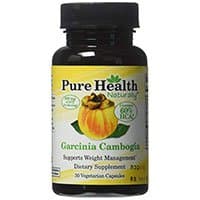
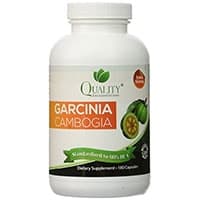
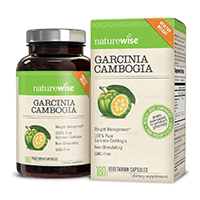
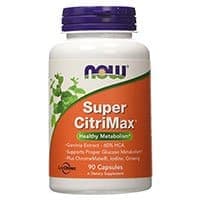
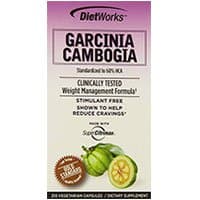
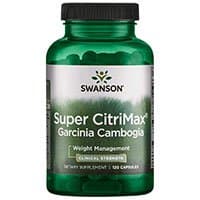
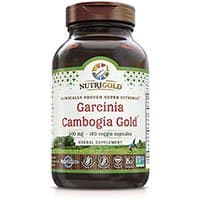
What garcinia cambogia products are (HCA extracts and “fat blocker” folklore)
Garcinia cambogia is a tropical fruit; supplements typically use extracts standardized around hydroxycitric acid (HCA) and market appetite and “carb blocking” narratives tied to body-composition goals. The retail story peaked years ago, but the category persists because weight-loss aisles love a simple plant name and a single acronym.
The honest framing: human trial results for meaningful, durable weight loss are inconsistent and often underwhelming, and garcinia is not a neutral candy—case reports have associated some garcinia-containing products with liver injury signals in medical literature and regulatory discussions, and there are mechanistic worries about serotonergic stacking in susceptible people. This guide is educational, not medical advice. If you take antidepressants or serotonergic drugs, have liver disease, drink heavily, or take multiple “metabolism” blends, talk with a clinician or pharmacist before experimenting.
How to use this guide
The shortlist favors transparent HCA percentage and amount per serving, credible contaminant testing language, brands that avoid proprietary “lean matrix” curtains, and conservative safety copy that does not pretend liver biology is optional. The sections below help you interpret HCA labels, avoid dangerous stack culture, and redirect expectations toward levers that actually move outcomes for most people.
If your real bottleneck is hunger and meal structure, fiber supplements is the adjacent category with clearer satiety mechanics than most garcinia marketing pages—still not magic, but easier to reason about than HCA mythology. If you are comparing glucose-adjacent supplements with denser trial traditions than garcinia memes, berberine supplements is a useful contrast for what “evidence density” can look like—alongside real medication interaction homework. If your cart is drifting into stimulant-heavy fat-burner stacks, green tea extract is the lane where catechins, caffeine, and liver-risk conversations belong—read it before you unconsciously assemble a poly-supplement stimulant day.
What to look for on a garcinia label
HCA standardization that maps to milligrams per day
“60% HCA” means little without total extract per serving and how many servings you actually take. Compute HCA like an adult with a calculator, not like a headline skimmer.
Calcium/potassium salts and “bioavailability” claims
Some products emphasize salt forms; treat claims as marketing unless the brand provides credible comparative data—not influencer screenshots.
Proprietary blends and kitchen-sink fat burners
Garcinia hidden inside a stimulant stack is still garcinia—plus caffeine math you did not consent to.
Manufacturing quality and liver-risk humility
Botanical extracts vary; third-party testing language matters, especially when case literature exists for hepatotoxicity signals in the broader category history.
Who garcinia may be appropriate for (and who should avoid it)
Potentially reasonable only when
- You are an informed adult without contraindications, using conservative doses, and not stacking serotonergic or hepatotoxic combinations.
- You treat outcomes as uncertain and measure waist, energy, sleep, and liver-adjacent symptoms honestly.
- You can stop immediately if nausea, dark urine, itching, right upper abdominal pain, or jaundice appears.
High-risk situations—default to “do not self-start”
- SSRIs, SNRIs, triptans, tramadol, linezolid, or other serotonergic stacks—serotonin syndrome is rare but not a trivia answer.
- Liver disease, hepatitis history, or concurrent hepatotoxic drugs and supplements.
- Pregnancy and breastfeeding—retail botanicals are not obstetric guidance.
Evidence expectations: appetite, weight, and the difference between hype and habit
Some trials suggest small effects on appetite markers for some participants; translating that into sustained fat loss in free-living humans is where marketing leaps ahead of data. A grounded buyer stance is: if you would not pay for the product without the weight-loss promise, you are buying hope—and hope should not bypass liver and serotonin safety screens.
Compare two garcinia labels in 60 seconds
- Step 1: HCA percent and mg per day computable?
- Step 2: servings/day matches your intent?
- Step 3: hidden stimulants or diuretics in blends?
- Step 4: credible testing language?
- Step 5: brand avoids disease-cure claims?
Common mistakes that waste money (or amplify risk)
- Stacking garcinia with multiple “lean” powders and ignoring panels.
- Assuming “natural” means liver-safe—botanicals are not morally exempt from hepatotoxicity signals.
- Buying mystery Amazon brands with no testing story.
- Replacing calories, protein, training, and sleep with an HCA capsule.
- Ignoring nausea, weird fatigue, or itch as “detox.”
What to monitor in the first 2–4 weeks
Track appetite subjectively but also GI tolerance, headache, anxiety, sleep disruption from hidden stimulants, and any signs that suggest liver trouble. Stop and seek urgent care for severe abdominal pain, confusion, or obvious jaundice—do not “push through” with more supplements.
FAQs
Does garcinia cambogia work for weight loss?
Do not expect reliable large effects; individual responses vary and habit systems dominate outcomes.
Is garcinia safe for the liver?
Many people tolerate it; medical literature includes hepatotoxicity case reports tied to products in this category—treat new symptoms after starting as a stop-and-evaluate event.
Can I take garcinia with antidepressants?
Discuss with a clinician or pharmacist; serotonergic stacking is not a retail guessing game.
What dose of HCA is common?
Trials used a range historically; modern retail doses vary wildly—conservative totals beat influencer megadoses.
How long should I trial one product?
If safety screening is clear and tolerance is fine, short disciplined trials beat endless brand rotation—if nothing measurable moves, the lever probably was never the bottle.
How we shortlist products on this page
We prioritize HCA transparency, conservative safety framing for liver and serotonergic risk, credible testing, and brands that do not sell guaranteed leanness from a single botanical. For how we evaluate products across the site, read our methodology.
Bottom line
Garcinia cambogia is a historically hyped category with weak, inconsistent weight-loss evidence and non-trivial safety discussion in the medical record. The best purchase—if you buy at all—is boringly labeled, third-party tested, free of mystery stacks, and paired with realistic expectations: protein, fiber, steps, sleep, and strength training still do most of the work.
If weight change is rapid unintentional, paired with fever, severe pain, or endocrine red flags, medical evaluation beats another “metabolism” bottle.