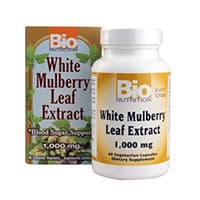
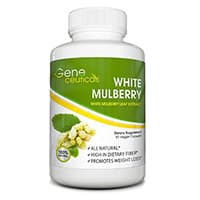
Why people consider white mulberry supplements
Morus alba—white mulberry—is a tree whose leaves have a long history in traditional diets and teas. In modern supplements, you will most often see leaf extracts marketed for general wellness, sometimes with language around carbohydrate-heavy meals, metabolic health, or antioxidant support. Retail copy varies wildly; your job as a shopper is to match a product’s stated goals to a label you can actually interpret.
This page is educational and not medical advice. If you have diabetes, prediabetes, PCOS, or take medications that affect glucose—especially insulin or other blood-sugar-lowering drugs—do not treat a supplement like a treatment plan. Discuss any new botanical with your clinician; “natural” does not mean free of interactions, and the goal is avoiding stacked effects you did not intend.
Below the shortlist, we cover standardization, realistic expectations, and common mistakes—plus how our rankings relate to transparency and manufacturing cues. For how we evaluate products across the site, see our methodology.
How to use this guide
Use the ranked list as a curated map, not a prescription. White mulberry products differ in extract type, potency disclosure, and serving design (capsules versus powders, one-a-day versus meal-adjacent servings). Start by deciding what you want from the category: a simple leaf extract with clear milligrams per serving, a standardized marker called out on the label, or a minimalist formula without a long “kitchen sink” blend.
Many readers compare this category with other glucose-adjacent botanicals while they shop. If you are cross-evaluating options, our guides to berberine supplements and banaba leaf supplements explain different ingredients with different evidence landscapes—useful context so you do not assume every “metabolic support” product works the same way.
What to look for
Leaf extract vs. whole herb vs. blends
Most serious products center on mulberry leaf. If the front label says “mulberry” but the supplement facts bury fruit or vague “herb powder,” slow down and decide whether that matches your intent. Blends can be fine, but they make it harder to attribute effects or troubleshoot tolerance—especially if you are sensitive to multiple botanicals in one capsule.
Standardization and “marker compounds”
Some brands advertise standardization related to compounds discussed in research contexts (for example, iminosugars such as DNJ in mulberry leaf). You do not need a chemistry degree to shop well—you need consistency: a clear statement of extract amount per serving and, when claimed, what the standardization refers to. If a product trumpets potency but the supplement facts read like a mystery, compare it with a more transparent alternative.
Meal timing and serving math
Read whether the brand suggests taking the product with food, around heavier meals, or on a fixed daily schedule. Then calculate true daily exposure: per-capsule numbers are useless if the label expects two or three capsules multiple times a day. This matters for cost, convenience, and avoiding accidental double-stacking with other products aimed at the same goal.
Quality and trust signals
Look for identity testing and contaminant testing where brands publish it. Botanicals can vary by harvest and processing. If you have allergies, scan for excipients and cross-contact statements. If you are vegetarian or vegan, confirm capsule shell ingredients.
Who should be extra cautious
- Anyone on glucose-lowering medications: Combining supplements with prescriptions can increase hypoglycemia risk. Medical supervision is essential.
- Pregnancy and breastfeeding: Insufficient reliable guidance for broad recommendations—ask a qualified clinician.
- Upcoming surgery or procedures: Many teams ask patients to pause herbals that may affect bleeding risk or physiology; follow your care team’s instructions.
- Polypharmacy: If your medication list is long, a pharmacist review beats an impulse add-to-cart.
Mistakes to avoid
- Buying “carb blocker” fantasy marketing. Meals are complex; supplements are not stand-ins for medical nutrition therapy when you have a diagnosed condition.
- Stacking multiple glucose-adjacent botanicals blindly. If you already use cinnamon extracts or similar products, adding mulberry without a plan can muddy cause-and-effect and complicate side effects. For cinnamon-focused options, see our cinnamon supplements guide.
- Ignoring hypoglycemia symptoms. Shakiness, sweating, confusion, or unusual fatigue after changing supplements warrant urgent medical attention when severe.
- Chasing the cheapest bottle with no spec. Low price plus vague labeling often means you are buying uncertainty, not savings.
FAQs
What is white mulberry leaf extract?
It is a concentrated preparation made from the leaves of Morus alba, sometimes standardized to particular compounds depending on the manufacturer. It is sold as a dietary supplement, not a drug, and products differ in strength and formulation.
Is white mulberry the same as black mulberry?
They are related plants, but supplement labels should identify the species and plant part. Do not assume interchangeability; buy what the label clearly states and keep your goals aligned with that identity.
Why do people compare it to berberine or banaba?
Because shoppers often explore several botanicals when they are thinking about diet, meals, and metabolic wellness. Mechanisms and evidence differ by ingredient. That is why it helps to read category-specific guides rather than treating every “metabolic support” bottle as interchangeable.
Can I take this if I am not diabetic?
Some people without a diabetes diagnosis still consider these products for general wellness goals. Even then, respect interactions: other supplements, caffeine patterns, alcohol, and medications can change how you feel day to day. If anything seems off, pause and reassess with a clinician.
What side effects are commonly discussed?
Digestive upset, bloating, or mild GI symptoms appear in anecdotal reports for many botanicals, but individual responses vary. Start with label-directed serving suggestions unless a clinician advises otherwise, and separate new variables so you know what changed.
How long should I evaluate a product?
Wellness habits shift slowly. If you decide to try a transparently labeled product, use consistent meal timing and servings for a few weeks while keeping sleep, training, and nutrition as stable as practical—then judge whether it is worth continuing. Random changes every few days make honest self-assessment nearly impossible.
How we shortlist products
Our rankings reward label clarity, sensible serving design, credible manufacturing transparency, and how well a pick fits typical buyer needs in this category. A higher placement does not replace individualized medical advice. For the full story on how we think about quality signals and editorial judgment, read the methodology page.
Bottom line
White mulberry supplements are worth comparing if you want a leaf-extract botanical with a distinct place in the “meal-adjacent wellness” conversation—but only when the label tells a coherent story about what you are swallowing. Prioritize transparent extracts, careful stacking, and clinician input if glucose-related medications or conditions are in the picture.
Use the shortlist to narrow candidates with credible specs, then decide based on convenience, cost per honest serving, and whether you prefer a single-ingredient product over a complex blend.