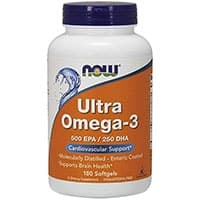
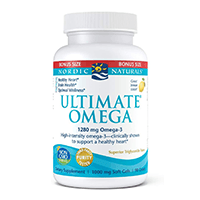
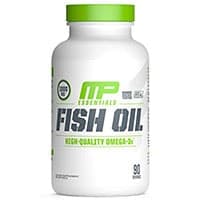
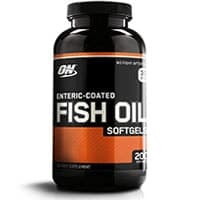
What fish oil supplements are (EPA, DHA, and the difference between oil quality and influencer certainty)
Fish oil is a concentrated source of marine omega-3 fatty acids, mainly EPA and DHA, sold in triglyceride, ethyl ester, re-esterified triglyceride, and “free fatty acid” formats depending on processing. The ingredient list is only half the story: oxidation (rancidity), contaminant control, and honest milligrams of EPA/DHA per serving determine whether you bought a useful lipid or expensive fish perfume.
This guide is educational, not medical advice. If you take anticoagulants or antiplatelet drugs, have a bleeding disorder, are scheduled for surgery, are pregnant and comparing prenatal DHA products, or have complex lipid management with LDL issues where omega-3 prescribing contexts exist, discuss fish oil with a clinician—especially before megadosing for “inflammation.”
How to use this guide
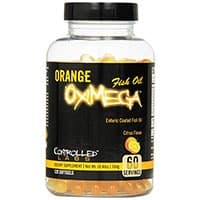
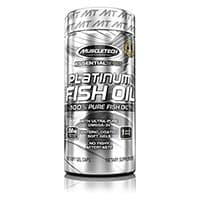
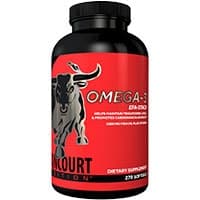
The shortlist rewards EPA/DHA milligrams per serving stated clearly (not only “1000 mg fish oil”), third-party oxidation and contaminant testing language, sensible enteric coating claims that do not replace freshness, and brands that do not promise cardiovascular miracles from a softgel. The sections below help you compare forms without cult worship, dose realistically for your goal, and avoid confusing marine omega-3s with other “healthy fat” purchases.
If you are cross-shopping other marine lipid formats, krill oil supplements is the closest comparator for phospholipid-bound marketing and capsule size tradeoffs—useful context before you assume krill is automatically superior or automatically cleaner. If you are stacking fat-soluble vitamins, vitamin D supplements is the category where IU/mcg totals and combination pills often collide with fish oil in real medicine cabinets—total intentionally. If your joint stack is more botanical than marine, turmeric supplements is a frequent co-purchase where bleeding-risk conversations still belong in the same serious frame as omega-3 polypharmacy.
What to look for on a fish oil label
EPA and DHA milligrams, not “fish oil mg” alone
“1000 mg fish oil” can mean wildly different active EPA/DHA depending on concentration. Shop active omegas, not capsule weight cosplay.
Triglyceride versus ethyl ester: absorption debates, price reality
Form wars exist; freshness and consistent dosing often beat forum theology for real-world outcomes.
Oxidation markers: freshness is a product feature
Rancid oil is not “stronger fish taste”—it is chemistry you do not want daily. Peroxide and TOTOX language from credible third-party programs matters for frequent users.
Contaminants: heavy metals and PCBs
Concentration increases potency and concentrates concerns—serious brands discuss sourcing and testing.
Burps, enteric coating, and meal timing
Freezing capsules, taking with meals, splitting doses, or choosing fresher oil often beats buying mythology.
Who fish oil may be appropriate for (and who should screen carefully)
Often a reasonable fit when
- You want a practical EPA/DHA supplement under clinician guidance or to fill a dietary gap.
- You can store oil cool, use it before it ages, and tolerate capsules.
- You read labels for total omegas across multis and prenatals to avoid accidental stacking.
Use extra caution when
- Anticoagulants, antiplatelets, bleeding history, or upcoming procedures—timing and dose are medical decisions.
- Complex dyslipidemia where prescribing-grade omega-3s exist separately from retail fish oil narratives.
- Fish allergy—species and processing do not magically remove allergy risk for everyone.
Evidence expectations: triglycerides, joints, mood, and everything else the label whispers
High-dose EPA/DHA contexts exist in medicine for specific lipid endpoints; retail fish oil often sells a blurrier bundle of hopes. A grounded stance is: match dose to goal and clinician input, measure adherence honestly, and treat “more omega equals more virtue” as a wallet hazard.
Compare two fish oil labels in 60 seconds
- Step 1: EPA mg and DHA mg per serving listed?
- Step 2: servings/day matches your intended dose?
- Step 3: third-party purity/oxidation testing stated?
- Step 4: no fishy aftertaste marketing used as a substitute for freshness data?
- Step 5: best-by storage guidance you will actually follow?
Common mistakes that waste money
- Buying giant “fish oil mg” with tiny EPA/DHA.
- Letting bottles cook in a hot car then wondering why burps taste like regret.
- Stacking fish oil + krill + algae + flax without a reason.
- Expecting joint miracles at maintenance doses while training volume is absurd.
- Ignoring surgery hold rules because “it’s natural.”
What to monitor in the first 4–8 weeks
Track GI tolerance, bruising tendency if you are bleed-risk, fish burp severity, and—when clinically relevant—labs your team asked you to watch. If you develop nosebleeds, black stools, or unusual easy bruising after dose changes, stop and seek medical guidance.
FAQs
How much EPA/DHA should I take?
It depends on goal, diet, and medical context; maintenance differs from prescribing contexts.
Fish oil versus flaxseed oil?
Flax provides ALA; fish oil provides EPA/DHA—they are not interchangeable for marine omega targets.
Can fish oil lower LDL?
Effects vary by person, dose, and baseline lipids—do not self-treat complex lipid panels.
Is algae oil better than fish oil?
Algae can be a useful vegan DHA/EPA source; “better” depends on dose, purity, price, and personal ethics—not vibes.
How long should I trial one product?
If freshness is good and tolerance is fine, months matter more than days for some endpoints—but bleeding symptoms are immediate stop signals, not “push through.”
How we shortlist products on this page
We prioritize EPA/DHA transparency, oxidation and contaminant testing credibility, conservative bleeding-risk framing, and brands that do not oversell disease outcomes from retail doses. For how we evaluate products across the site, read our methodology.
Bottom line
Fish oil is a useful category when concentration, freshness, and medical context align. The best bottle is not the one with the loudest “triple strength” banner—it is the one with honest EPA/DHA milligrams, credible testing, and a user who stores it like food chemistry, not like desk decor.
If cardiovascular risk is real, fish oil is at best one tile in a medical plan—nutrition, blood pressure, sleep, smoking, and prescribed therapies still dominate outcomes.