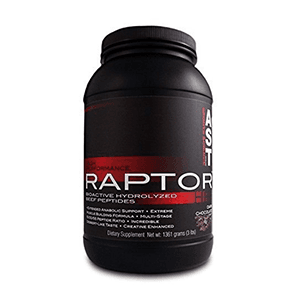
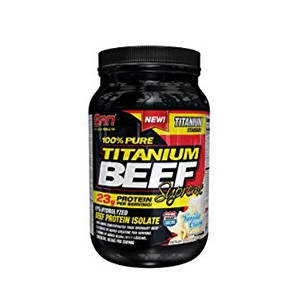
What beef protein powder is (isolates, hydrolysates, and the collagen amino profile reality)
Beef protein powder is typically made from beef raw material (often including connective tissue) that is processed into a concentrated protein ingredient—commonly marketed to people who want dairy-free animal protein with “paleo” branding. Depending on processing, beef protein can behave more like a hydrolyzed collagen-heavy ingredient than like skim milk whey when you inspect amino acid patterns—useful for protein totals, not automatically equivalent for every muscle-centric leucine narrative unless doses and meals are engineered accordingly.
This guide is educational, not medical advice. If you have kidney disease with protein restrictions, gout history sensitive to purine loads, alpha-gal syndrome (tick-borne red meat allergy), or religious dietary rules about beef, beef protein is not a neutral default—clinician and personal ethics still apply even when the powder tastes like chocolate.
How to use this guide
The shortlist favors transparent sourcing language (country of origin and quality systems), honest protein grams per scoop, amino acid disclosure when brands claim muscle superiority, contaminant testing credibility (heavy metals matter for frequent powder users), and flavors that mask beef-adjacent notes without smuggling a sugar bomb into a “clean” macro panel.
If you want another animal-based dairy-free powder with a different taste and foam profile, compare against egg protein powders—often closer to classic “complete protein” gym culture than some beef products, depending on formulation. If dairy is fine and you want a leucine-dense milk protein lane, casein protein powders is the contrast category for thickness, slow gastric emptying marketing, and different GI tolerance economics. If marketing sounds like connective tissue benefits but muscle-building language dominates, read collagen supplements to calibrate what collagen-heavy proteins do and do not imply for leucine-driven hypertrophy goals—many “beef protein” truths live in that overlap zone.
What to look for on a beef protein label
Protein grams versus collagen-heavy amino patterns
High protein on the label is not the same as whey-like leucine dominance. If the brand hides amino profiles while claiming superiority, treat it as marketing, not chemistry.
Hydrolysate texture and bitterness
Hydrolysis improves solubility and can increase sharp notes; flavor systems matter for compliance.
Additives: creatine is not automatically inside beef powder
Some products add creatine as a bonus; others imply “beef strength” without including meaningful creatine—read milligrams.
Contaminants and sourcing seriousness
Concentrated animal powders deserve third-party testing language, not ranch cosplay on the front label.
Who beef protein may be appropriate for (and who should skip it)
Often a reasonable fit when
- You avoid dairy and tolerate beef as a food category.
- You want a powder that mixes into shakes and baking with acceptable taste.
- You track total daily protein from mixed sources rather than pretending one scoop defines physiology.
Use extra caution when
- Alpha-gal or beef allergy—powder is still beef-derived.
- Gout flares historically tied to red meat intake patterns—individualized caution.
- Renal disease—protein powders concentrate load like any protein.
Evidence expectations: muscle growth versus convenience
Muscle outcomes still track training stimulus, calorie adequacy, and total protein distribution; beef protein can participate like any protein source when totals are right. A grounded stance is: buy beef protein for tolerance, ethics-adjacent food rules, and compliance, not because it beats whey on automatic leucine physics unless your label proves otherwise.
Compare two beef proteins in 60 seconds
- Step 1: protein g per serving and calories honest?
- Step 2: ingredient identity (isolate vs hydrolysate) stated?
- Step 3: amino acid panel or at least leucine disclosure if muscle claims exist?
- Step 4: third-party testing language?
- Step 5: flavor reviews match your shaker habits?
Common mistakes that waste money
- Assuming “beef” equals “whey replacement gram-for-gram” without amino awareness.
- Buying for paleo identity while ignoring added sugars in flavor systems.
- Ignoring total protein from meals and blaming the powder for “no gains.”
- Choosing chalk horror you will not drink consistently.
- Stacking five animal powders without calculating kidney context when relevant.
What to monitor in the first 1–2 weeks
Track GI tolerance, nausea, headache (sometimes flavor-system related), skin reactions if allergy-prone, and training recovery markers you already trust. If uric acid symptoms or joint flares correlate tightly with introduction, medical context beats brand switching.
FAQs
Is beef protein complete?
“Complete” is a spectrum in real meals; compare leucine and lysine context to your total day, not to a slogan.
Does beef protein contain creatine?
Not meaningfully unless added—do not buy mythology by animal category.
Beef protein versus collagen?
Processing overlap exists; labels and amino disclosures decide what you bought.
Is beef protein better for joints than whey?
Joint outcomes are not proven by protein animal species—mechanism and evidence claims deserve skepticism.
How long should I trial one tub?
Flavor compliance is the bottleneck for powders—if you hate it early, sunk cost worship will not fix macros.
How we shortlist products on this page
We prioritize protein transparency, amino honesty for muscle claims, contaminant testing credibility, and brands that do not sell ranch romance as biochemistry. For how we evaluate products across the site, read our methodology.
Bottom line
Beef protein powder is a legitimate dairy-free tool for some people when sourced and tested seriously—but it is not automatically whey’s twin under a brown tub. The best purchase matches your digestion, ethics, taste reality, and total daily protein math.
If medical nutrition needs are specific (renal disease, gout management, pregnancy), professional guidance beats aisle anthropology.