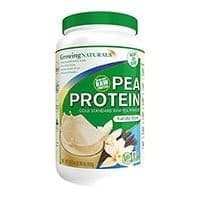
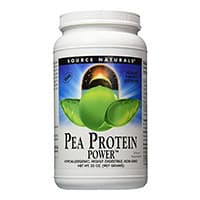
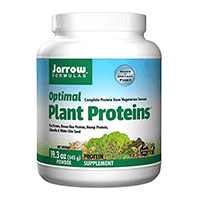
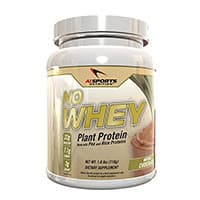
What pea protein powder is (and why it is the default vegan “workhorse”)
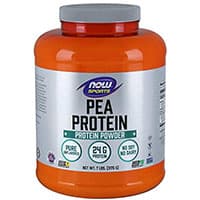
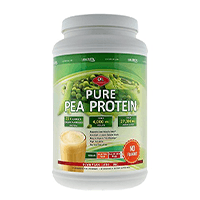
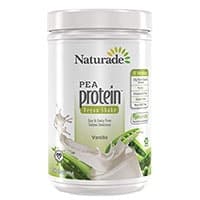
Pea protein is usually made from yellow split pea (Pisum sativum) protein isolate: most starch is removed so you get a high-protein powder with a fairly neutral flavor compared with many other plant options. It is popular because it mixes tolerably, digests reasonably well for many people, and can deliver meaningful protein grams per shake without dairy.
The honest formulation note is amino acid balance: pea is often strong where rice is weaker, but pea can be comparatively weaker in some sulfur amino acid discussions depending on product and total diet context—which is why many “plant blends” pair pea + rice instead of pretending one source is perfect chemistry.
This guide is educational, not medical advice. If you have kidney disease requiring protein restriction, significant legume intolerance, IBS patterns triggered by certain fibers, or complex allergy histories, discuss concentrated plant protein changes with a clinician or dietitian—especially for kids and pregnancy.
How to use this guide
The shortlist helps you compare products on real protein grams per serving, sodium and additive loads, heavy metal testing credibility, texture, and whether the label is honest about blends. The body below helps you match pea protein to your routine—smoothies, baking, high-volume training—without buying a gritty tub you abandon after three shakes.
If you are comparing the other half of the classic vegan duo, read rice protein powders for arsenic-testing culture and why rice+pea blends exist. If you want a seedier protein with more fat and fiber character, compare habits with hemp protein powders. If you want the most studied plant protein benchmark for digestibility and label norms, soy protein powders remain the category that keeps everyone else honest.
What to look for in a pea protein powder
Protein grams per serving that match the calories
Check protein per scoop against calories and serving weight. If the math feels like marketing, it probably is.
Isolate vs concentrate (when the label is honest)
Isolates are typically higher protein by weight; concentrates can carry more carbohydrate residue. Choose based on your macro target and GI tolerance.
Sodium and “natural flavors” transparency
Some pea proteins run salty; others hide bitterness behind flavor systems. If you are sodium-sensitive, the facts panel matters more than the front label’s “clean” adjectives.
Pea-only vs pea+rice blends
Blends are engineering, not cheating—when disclosed. Prefer brands that state ratios clearly if amino balance is why you are buying.
Heavy metal testing still matters for plant proteins
Prefer meaningful contaminant testing scope—not decorative badges—especially if you drink large daily volumes.
Who pea protein is often a fit for (and who should be careful)
Often a strong fit when
- You avoid dairy and want a high-protein shake base with predictable macros.
- You bake or blend often and need a relatively neutral protein ingredient.
- You want a simpler ingredient list than some whey dessert powders.
Use extra caution when
- You have legume-triggered GI flares—titrate slowly.
- You need strict allergen facility controls—read statements carefully.
- You replace meals with shakes without medical supervision.
Compare two pea protein labels in 60 seconds
- Step 1: protein g per serving and calories—coherent?
- Step 2: isolate vs concentrate disclosed?
- Step 3: sodium mg per serving if you track it?
- Step 4: blend ratios if rice/other sources are included?
- Step 5: price per 20–30g protein at your real dose?
Common mistakes that waste money
- Buying unflavored pea for shakes without a bitterness plan (cold liquid, cocoa, fruit, salt balance).
- Ignoring sodium and wondering why shakes taste “weirdly savory.”
- Expecting whey-like foam and mouthfeel from a plant isolate.
- Stacking multiple protein tubs while under-eating whole foods.
- Judging mixability once in thick oatmeal and blaming the protein.
What to monitor in the first 2–4 weeks
Track GI tolerance (gas, bloating), skin changes (big protein shifts can matter for some people), training recovery, sleep, and adherence. Plant protein wins when the routine is sustainable—not when one shake is perfect on day one.
FAQs
Is pea protein a complete protein?
It is strong for many essential amino acids; many brands still blend with rice for balance. Total daily protein quality across meals still matters more than one scoop’s chemistry meme.
Does pea protein cause bloating?
Some users get gas when dose ramps fast or when sweeteners/emulsifiers disagree with them. Titrate dose and simplify formulas to interpret tolerance.
Pea protein vs whey?
Whey is often smoother and faster-mixing for some textures; pea can be excellent when you choose a good formula and realistic blending expectations. Training outcomes still depend on total protein and program design.
Is pea protein allergen-friendly?
It avoids dairy and eggs, but legume sensitivity exists; facility statements matter for peanut/tree nut contexts.
Why does pea protein taste earthy?
Plant isolates vary by sourcing and processing; flavor systems and cold mixing techniques matter.
How long should I trial one product?
If medically appropriate, use one product for a few weeks with a stable shake recipe before switching brands.
How we shortlist products on this page
We prioritize protein label honesty, contaminant testing credibility, texture realism, additive transparency, and value per gram of usable protein. For how we evaluate products across the site, read our methodology.
Bottom line
Pea protein powder is one of the most practical dairy-free protein bases when you pick a well-made isolate, understand blend logic, and build a shake method you can repeat. The best product is usually the one you will actually drink—after checking sodium, sweetness, and third-party testing—rather than the tub with the loudest “clean” branding.
If your nutrition strategy is mostly powders, revisit whole-food protein and fiber first—supplements should support consistency, not replace meals without a plan.