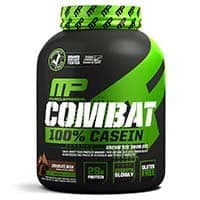
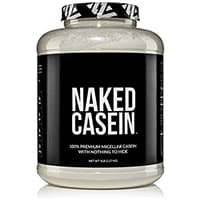
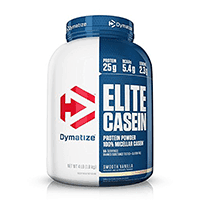
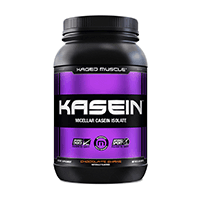
What casein protein powder is (micellar “slow” dairy versus other caseinates)
Casein is the main protein fraction in milk, alongside whey. In powders, you will most often see micellar casein marketed as a thicker, slower-digesting shake for overnight recovery and appetite control, sometimes contrasted with calcium caseinate or other processed caseinates that can behave differently in texture, solubility, and manufacturing quality. None of that marketing replaces the basics: total daily protein, leucine-rich meals distributed sensibly, and a product that mixes cleanly enough that you actually drink it.
This guide is educational, not medical advice. If you have milk allergy (not the same as lactose intolerance), PKU or other metabolic protein restrictions, or advanced kidney disease with protein limits, casein is not a neutral default—clinician guidance wins over macro memes.
How to use this guide
The shortlist favors transparent protein grams per scoop, honest fat and carb disclosure (many “protein desserts” sneak calories), credible amino acid labeling, third-party testing language (heavy metals and banned substances matter for frequent users), and flavors that do not turn casein’s natural thickness into chalk cement.
If you want an animal-based powder outside the dairy casein lane, egg protein powders are a useful comparator for digestibility, foam behavior, and allergy profiles—different animal, different tradeoffs than micellar night shakes. If dairy is off the table entirely, pea protein powders is the common plant workhorse category where completeness and amino acid blending questions mirror what dairy users take for granted. If you are building a lifting stack beyond protein alone, creatine supplements is the high-evidence staple many people pair with any protein source—timing is less mystical than consistency.
What to look for on a casein label
Micellar casein identity versus vague “milk protein”
“Milk protein concentrate” can be whey-heavy or casein-heavy depending on processing. If you are buying casein for thickness and slower gastric emptying, the label should say what you think you are buying.
Protein per scoop versus true serving weight
Compare grams of protein per 100 g of product and per dollar, not only scoop size theater.
Carbs, fats, and “dessert casein” calories
Pudding recipes are fun; hidden maltodextrin and creamers are how “clean protein” becomes sneaky surplus.
Enzymes, lactase, and GI tolerance
Lactose intolerance varies; some caseins tolerate better than whey concentrates for some people—individual, not guaranteed.
Contaminant testing
Casein is a concentrated agricultural product; credible brands talk testing instead of vibes.
Who casein may be appropriate for (and who should skip dairy powders)
Often a reasonable fit when
- You want a thick shake or “protein pudding” ritual before bed or between long gaps without food.
- You tolerate dairy proteins and need a convenient complete protein source.
- You value satiety from thickness and slower digestion for personal appetite patterns.
Use extra caution when
- True milk allergy—casein is still dairy protein.
- Reflux worsened by high-volume late protein shakes.
- Competition drug testing—choose brands with credible banned-substance programs if stakes are high.
Evidence expectations: “slow release” and muscle growth
Casein can offer sustained amino acid appearance patterns in research contexts, but muscle outcomes still track back to total protein intake, training stimulus, sleep, and years of consistency—not a single bedtime scoop mythology. A grounded stance is: buy casein for compliance and preference (texture, hunger, routine), not because it replaces training physics.
Compare two casein powders in 60 seconds
- Step 1: casein form named (micellar vs caseinate vs milk protein blend)?
- Step 2: protein g per serving and calories match your goal?
- Step 3: carb/fat additives explained, not smuggled?
- Step 4: third-party testing language present?
- Step 5: mix reviews match your water-to-milk habits?
Common mistakes that waste money
- Buying casein for “anabolism” while daily protein stays low.
- Ignoring calories in dessert-style casein products.
- Choosing chalk nightmares you will not drink consistently.
- Assuming lactose intolerance equals whey-only problems—trial individually.
- Replacing whole-food protein diversity with one powder identity.
What to monitor in the first 1–2 weeks
Track bloating, gas, reflux, skin breakouts if dairy-sensitive, and morning hunger patterns. If bedtime shakes disrupt sleep via reflux or bathroom trips, timing and volume beat brand switching.
FAQs
Casein versus whey: which is better?
Whey is often faster and thinner; casein is often thicker and marketed for sustained release—pick based on tolerance, schedule, and texture preference.
Is casein good before bed?
Many people like it for satiety; others get reflux—individual response dominates bro-schedule rules.
Does casein cause acne?
Anecdotes exist; dairy protein sensitivity is individual—trial removal if acne correlates tightly with introduction.
Can I cook with casein?
Often yes for baking and puddings; extreme heat changes texture and can denature proteins—still fine for nutrition if you like the outcome.
How long should I trial one tub?
Flavor compliance matters more than two workout PRs—if you hate it by scoop five, return policy and resale guilt will not fix chalk mouth.
How we shortlist products on this page
We prioritize casein identity clarity, macro honesty, mixability signals, contaminant testing credibility, and brands that do not sell bedtime protein as muscle alchemy. For how we evaluate products across the site, read our methodology.
Bottom line
Casein is a legitimate dairy protein tool when thickness, satiety, and routine compliance are the win conditions. The best tub is the one you finish because it tastes like food you choose—not punishment you endure while pretending micellar magic replaces hard training.
If protein intake is already adequate from meals, casein is optional convenience—not a missing anabolic key.