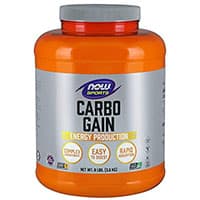
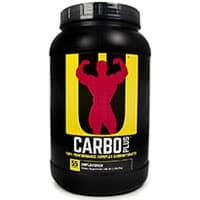
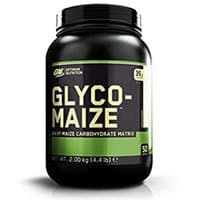
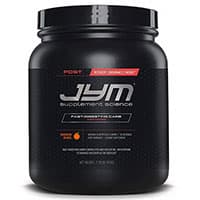
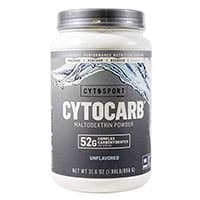
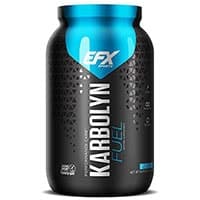
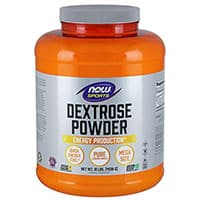
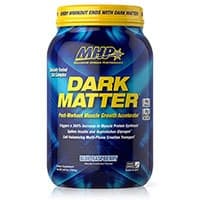
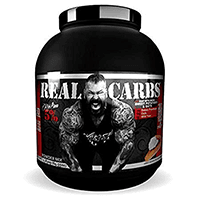
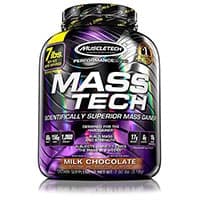
What carbohydrate supplements are (powdered fuel for training—not a moral loophole around food)
Carbohydrate supplements are concentrated sources of digestible carbs—commonly dextrose (glucose), maltodextrin, cluster dextrin / highly branched cyclic dextrin, or “waxy maize” style starches—sold for fast intra-session fueling, glycogen recovery, weight-gain shakes, and endurance logistics. They are tools for high-volume training, heat, long sessions, and two-a-days where whole-food timing is hard; they are not automatically “healthier” than rice because they come in a tub, and they can still wreck GI comfort if concentration and sipping strategy are wrong.
This guide is educational, not medical advice. If you have diabetes on insulin or sulfonylureas, reactive hypoglycemia patterns, gastroparesis, or you are trying to “fix” blood sugars with powders instead of medical care, carbohydrate products demand clinician-informed dosing and monitoring—rapid carbs can cause rapid glucose swings.
How to use this guide
The shortlist favors honest grams of carbohydrate per scoop, low-drama labeling about osmolality and gastric tolerance where brands bother, credible contaminant testing for high-use powders, and flavors you can sip under fatigue without nausea. The body below helps you match carb type to session length, avoid hyper-concentrated shakes that cramp your stomach mid-run, and place carb powders next to electrolytes and protein strategy instead of treating carbs like a cheat code.
If you are buying carbs specifically for the bottle between sets, compare formulation culture with our intra-workout supplement page—many “intra” products are carbohydrate-electrolyte systems with amino marketing layered on top. If sweat rate and cramping dominate your training story, read electrolyte supplements as the parallel lane where sodium-first reality often matters more than another 20 g maltodextrin. If you want the highest-evidence training staple separate from fueling math, keep creatine supplements in the correct priority lane—daily saturation is not the same decision as grams of carbohydrate per hour.
What to look for on a carbohydrate supplement label
Carb source identity: glucose polymers versus fructose blends
Many endurance protocols discuss multi-transportable carbohydrate strategies; retail tubs vary wildly in whether they help or hinder that goal. Read the carbohydrate breakdown, not only “complex carbs” adjectives.
Grams per hour you can tolerate
Long sessions often tolerate structured intake; short gym sessions may need far less. Buying 80 g per hour culture for 40 minutes of lifting is expensive flavored sugar.
Osmolality and GI distress: concentration beats mythology
Hyper-concentrated bottles can cause sloshing, bloating, and urgency. Sometimes splitting carbs across time or lowering concentration fixes “bad genetics.”
Add-ins: caffeine, fiber, and fat that change absorption
Fat and fiber slow gastric emptying—sometimes helpful, sometimes the reason your “race fuel” feels like a brick.
Dental and calorie honesty
Frequent sipping of acidic flavored carbs is not tooth-friendly; frequent sipping without accounting calories undermines fat-loss goals even when the product is “clean.”
Who carbohydrate supplements may be appropriate for (and who can skip them)
Endurance athletes, heavy sweaters, high-volume lifters with long sessions, and people with high caloric needs who struggle to eat enough whole food may get real compliance value. If your training is short and food timing is already fine, powders are often optional convenience—not a missing anabolic key.
Evidence expectations: performance fuel versus everyday “metabolism”
Carbohydrate ingestion during prolonged exercise has strong performance tradition; translating that into non-endurance lifestyles is where marketing overshoots evidence. A grounded stance is: fuel what the session demands, measure outcomes honestly, and avoid moralizing carbs as either sin or salvation.
Mistakes people make with carbohydrate powders
- Chugging dense bottles then blaming race day nerves for nausea.
- Ignoring electrolytes in heat while megadosing carbs.
- Buying premium cluster dextrin before fixing basic sleep and training volume.
- Stacking carbs with stimulants and wondering why heart rate feels wrong.
- Using rapid carbs without diabetes planning when insulin is involved.
Compare two carbohydrate products in 60 seconds
- Step 1: carbs g per scoop stated?
- Step 2: sugar versus maltodextrin versus mixed sources clear?
- Step 3: electrolytes included or intentionally absent?
- Step 4: flavor system you can sip under fatigue?
- Step 5: banned-substance testing if you compete?
What to monitor in the first few long sessions
Track stomach comfort, cramping, bloating, headache, dizziness, and—for diabetes regimens—glucose response patterns when intake timing changes. If symptoms suggest hypoglycemia or hyperglycemia swings, medical guidance beats stronger sipping.
FAQs
Maltodextrin versus dextrose: which is better?
Depends on tolerance, flavor, osmolality goals, and whether you want a very fast glucose spike versus a smoother polymer curve. Training practice beats forum absolutes.
Is cluster dextrin worth the premium?
Some athletes report better gastric tolerance during high hourly carb targets; others do fine on cheaper carbs—let your stomach and budget vote with data from real sessions.
Will carbs make me fat?
Chronic fat gain is driven by sustained calorie surplus and context; peri-workout carbs are often the wrong place to apply moral panic if training volume is real.
Can I mix creatine into my carb shake?
Yes for convenience; daily creatine totals matter more than mystical timing—still read labels so you are not double-dosing across products.
How long should I trial one product?
A few representative long sessions in similar heat and intensity beat one novelty PR day—GI tolerance is the test.
How we shortlist products on this page
We prioritize carbohydrate honesty, gastric tolerance realism, electrolyte pairing when relevant, contaminant testing credibility for frequent use, and brands that do not sell sugar as virtue. For how we evaluate products across the site, read our methodology.
Bottom line
Carbohydrate supplements are performance logistics: grams per hour you can tolerate, electrolytes when sweat is real, and concentration discipline so your stomach survives the plan. The best tub is the one that matches session demands—not the one with the most tactical adjectives on the label.
If glucose control is medically fragile, clinician-led fueling strategy beats influencer liters per hour.