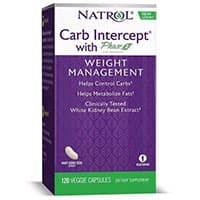
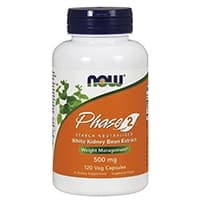
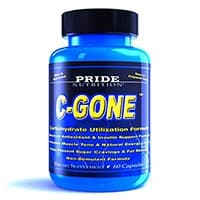
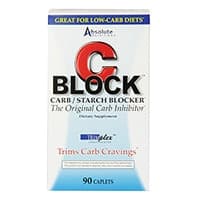
What carb blockers are (starch-focused enzyme inhibition—not sugar erasure)
Retail carb blockers usually center on extracts from white kidney bean (Phaseolus vulgaris) marketed as alpha-amylase inhibitors—compounds intended to reduce digestion of complex starch in a meal. That mechanism matters because it is not a universal “carb delete button”: it does not magically neutralize candy, soda, ice cream, or other foods where a large fraction of calories comes from simple sugars rather than starch.
Even when starch is present, real-world effects on calories absorbed are often modest, variable, and accompanied by GI side effects (gas, bloating, urgency) when undigested carbohydrate moves downstream and meets your microbiome. This page is educational, not medical advice. If you take insulin or sulfonylureas for diabetes, have gastroparesis, malabsorption disorders, or an eating disorder history where “damage control” pills become a ritual, discuss carb blockers with a clinician or pharmacist before treating them like harmless meal accessories.
How to use this guide
The shortlist is meant to favor honest ingredient identity (actual bean extract versus vague “carb control blend”), transparent active labeling where brands bother, credible manufacturing and contaminant testing language, and conservative framing around medication interactions and glucose safety. The body below helps you match expectations to starch-heavy meals, read labels for proprietary fairy dust, and avoid confusing starch blockers with fat blockers or stimulant fat burners.
If your real bottleneck is hunger and meal structure rather than enzyme tricks, our fiber supplements guide is the better conceptual neighbor for satiety mechanics—gradual titration, fluids, and tolerance—before you buy a bottle that promises discipline in a capsule. If you are comparing glucose-adjacent supplements with different evidence traditions than bean extract memes, read berberine supplements as a contrast category: real interaction homework with medications, not a casual stack add-on. If your shopping cart is full of “metabolism” liquids, apple cider vinegar products is another aisle where acid load, reflux, and stack math parallel the same pattern: lots of marketing, less miracle than the label implies.
What to look for on a carb blocker label
White kidney bean extract identity and dose honesty
Serious products name the extract and provide a serving dose tied to something testable, not only “proprietary carb matrix.” If you cannot compute what you swallow, you cannot evaluate tolerance or value.
Starch-heavy meals versus sugar-heavy meals
If your meal is pasta, bread, rice, or potatoes, a starch-targeting concept is at least directionally relevant. If your meal is mostly sugar and fat, a starch blocker is mostly psychological retail therapy.
GI side effects are a feature of the mechanism, not “detox”
Gas and bloating often scale with dose and meal starch load. If you hate social flatulence, titrate conservatively instead of heroic megadosing before a wedding.
Timing: with food, not randomly
These products are meal-adjacent tools in real-world use; “take whenever” culture defeats the point and increases nonsense stacking.
Quality: heavy metals and botanical powders
Bean extracts are still botanical concentrates; third-party testing language matters more than rustic farm photography.
Who carb blockers may be appropriate for (and who should avoid them)
Some informed adults use starch blockers occasionally around specific high-starch meals while still tracking overall calories and glucose if relevant. High-risk contexts include insulin stacking mistakes, hypoglycemia unawareness, pregnancy, and any pattern where pills replace structured medical nutrition therapy.
Evidence expectations: small effects, loud marketing
Human trials vary in design, meal composition, dose, and duration; averages are often smaller than marketing implies, and individual response dominates. A grounded stance is: if you would not still eat sensibly without the pill, you are buying superstition with side effects.
Mistakes people make with carb blockers
- Using them as permission slips for daily dessert logic.
- Expecting protection from sugary drinks because the front label says “carbs.”
- Stacking multiple “blockers” and fibers and wondering why the bathroom becomes a hobby.
- Ignoring hypoglycemia symptoms when diabetes medicines are in play.
- Confusing starch blockers with fat blockers (different mechanisms, different risks).
Compare two carb blocker labels in 60 seconds
- Step 1: white kidney bean extract named with mg?
- Step 2: serving matches “per meal” reality?
- Step 3: proprietary blend penalty?
- Step 4: credible testing language?
- Step 5: no disease-cure promises in fine print?
What to monitor in the first 1–2 weeks
Track gas, cramping, stool urgency, and—for diabetes regimens—glucose behavior when meal timing changes. If you develop severe abdominal pain, persistent vomiting, or signs of hypoglycemia, seek medical care—do not treat that as a “cleanse.”
FAQs
Do carb blockers work?
They can have small, inconsistent effects on starch digestion in some study contexts; they are not reliable for large calorie erasure or for sugar-heavy meals. If your goal is durable fat loss, structured nutrition and training still dominate outcomes; a blocker is at best a minor variable.
Will carb blockers stop sugar absorption?
Not in the way people hope. Many “bad carb” meals are high in sugars and fats; starch inhibition does not replace basic meal composition choices.
Can carb blockers cause diarrhea?
GI upset and urgency are common class complaints because undigested carbohydrate becomes fermentable substrate. Start conservative and separate variables instead of stacking everything on day one.
Are carb blockers safe with diabetes medications?
This is the highest-stakes question in the category. Some people imagine “less absorption means safer highs,” but real-world glucose behavior can be unpredictable, and insulin errors are dangerous. Pharmacist review is mandatory if you use insulin or sulfonylureas.
Are carb blockers the same as orlistat?
No—orlistat is a lipase inhibitor aimed at dietary fat digestion; starch blockers target amylase-mediated starch breakdown. Different side-effect profiles, different label reading rules.
How long should I trial one product?
If medical risk is cleared, a short disciplined trial with honest meal logging beats months of magical thinking—if nothing measurable changes except gas, the product is not your bottleneck.
How we shortlist products on this page
We prioritize extract identity transparency, conservative glucose-safety framing, credible testing, and brands that do not sell binge permission as science. For how we evaluate products across the site, read our methodology.
Bottom line
Carb blockers are a narrow tool for a narrow situation—mostly starch-heavy meals—and they come with GI tradeoffs that marketing rarely advertises as boldly as the front-label promise. The best purchase is honest dosing, realistic expectations, and medical clarity if diabetes medicines are in the picture.
If food feels out of control, behavioral and clinical support beats stronger “blocker” stacks.