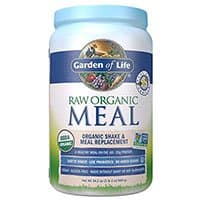
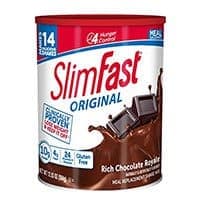
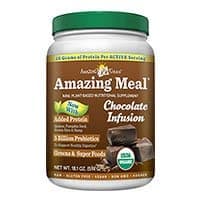
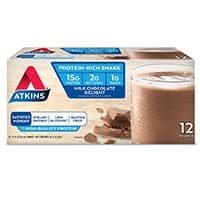
What meal replacement shakes are (and how they differ from “protein powder with marketing”)
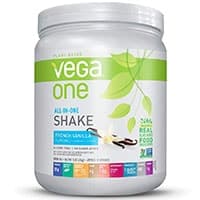
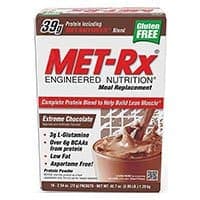
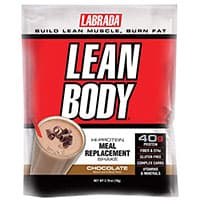
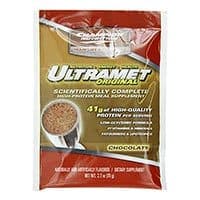
Meal replacement shakes are formulated beverages meant to substitute a meal’s worth of calories, protein, carbohydrates, fats, and often a spread of vitamins and minerals—sometimes with added fiber, greens powders, probiotics, or sweetener systems designed to keep sugar grams acceptable on the label. A true meal replacement should behave more like a structured nutrition module than a 120-calorie whey scoop pretending it replaced lunch.
This guide is educational, not medical advice. If you have diabetes on insulin or sulfonylureas, chronic kidney disease where protein and electrolytes must be controlled, eating disorder history, pregnancy, or you plan to replace most daily food with liquids, work with a registered dietitian or physician—retail shakes are not automatically medically complete for every person, and calorie levels can be wrong for your goal even when the label looks “balanced.”
How to use this guide
The shortlist rewards honest calories per bottle, protein grams that match real satiety for you, carbohydrate quality disclosure (fiber versus maltodextrin versus sugar), micronutrient panel sanity (not fairy-dust vitamin dust), and flavors you can repeat without GI rebellion. The sections below help you choose between true meal replacements and protein snacks wearing a suit.
If your priority is portable calories without a blender, compare habits against protein bars—often the same convenience tradeoffs (sweeteners, coatings, protein quality) in a chewable format. If hunger control is the bottleneck, fiber supplements is the conceptual lane where soluble fiber mechanics get discussed honestly—many shakes add fiber for satiety, but individual tolerance to inulin and related fibers varies wildly. If you want a dairy-forward powder baseline to compare macros against bottled “meals,” casein protein powders is a useful anchor for thickness, slower gastric emptying marketing, and the difference between a protein dessert and a true meal module.
What to look for on a meal replacement label
Calories: meal versus snack honesty
Some products are snacks labeled as meals; others are 400-calorie bottles that matter for weight goals. Match calories to intent.
Protein source and completeness
Dairy blends, soy, pea, rice combinations—read the ingredient list for what actually delivers the amino acids, not only the front slogan.
Sugars, sugar alcohols, and fiber claims
“Low net carbs” can still bloat sensitive guts; sugar alcohol systems can create urgency and gas at scale.
Micronutrients: helpful versus marketing seasoning
If you already take a multivitamin, totals can overlap—avoid accidental double-fortification without thinking.
Third-party testing for frequent use
Heavy metals and contaminant testing language matters when shakes become daily infrastructure, not occasional treats.
Who meal replacement shakes may be appropriate for (and who should be careful)
Often a reasonable fit when
- You need a repeatable breakfast or lunch during travel, shift work, or caregiving chaos.
- You track calories honestly and the shake fits the plan.
- You tolerate the sweetener and fiber system of that specific brand.
Use extra caution when
- Eating disorder recovery—liquid calories can be a trigger category.
- Diabetes glucose variability—carb sources and timing still matter.
- GERD or IBS where volume, cold liquids, or sweeteners worsen symptoms.
Evidence expectations: weight loss, “clean eating,” and compliance
Meal replacements can improve compliance in structured programs because they reduce decision fatigue—but they do not erase thermodynamics or psychology. A grounded stance is: buy shakes for schedule control, not because a bottle replaces the hard work of building sustainable food skills unless a clinician-led plan says otherwise.
Compare two meal replacement shakes in 60 seconds
- Step 1: calories and protein g per bottle obvious?
- Step 2: sugar g and fiber sources named?
- Step 3: fat quality disclosure (MCT theater versus real food fats)?
- Step 4: micronutrients match your needs or create overlap?
- Step 5: third-party testing if daily use?
Common mistakes that waste money
- Buying a snack shake expecting dinner-level satiety.
- Ignoring calories while chasing “high protein.”
- Stacking fortified shakes with multis and greens powders without totaling.
- Choosing chalk punishment flavors you abandon after three bottles.
- Replacing all food indefinitely without medical supervision.
What to monitor in the first 1–2 weeks
Track hunger two hours later, glucose if you measure it, bloating, gas, reflux, and energy stability across the day. If shakes worsen GI symptoms or drive rebound overeating at night, the product is the wrong tool—not proof you lack discipline.
FAQs
Are meal replacement shakes healthy?
They can be a pragmatic tool; “healthy” depends on your baseline diet, medical context, and whether the macros match your goals.
Can I live on shakes?
Some medically supervised programs exist; DIY forever-liquid plans are risky without professional monitoring.
Meal replacement versus protein shake?
Calories, carbs, fats, and micronutrients usually separate the categories—compare panels, not front labels.
Do shakes spike blood sugar?
Depends on carbohydrate sources, fiber, fat, and individual response—patterns beat slogans.
How long should I trial one brand?
Flavor and GI compliance decide quickly—if week one is miserable, sunk-cost worship will not fix adherence.
How we shortlist products on this page
We prioritize macro honesty, protein source clarity, sweetener and fiber tolerance realism, micronutrient sanity, and contaminant testing credibility for daily-use products. For how we evaluate products across the site, read our methodology.
Bottom line
The best meal replacement shake is the one that matches your calorie budget, keeps you full long enough to function, and repeats without wrecking your gut or your relationship with food. Everything else is packaging psychology.
If appetite, weight, or glucose control is medically unstable, professional nutrition care beats aisle optimization.