Why people shop chokeberry supplements
Chokeberry (usually Aronia melanocarpa) is a dark berry sold as capsules, powders, and concentrates for people interested in polyphenol-rich nutrition support. Most products in this category are marketed around antioxidant language, anthocyanin content, and cardiovascular-wellness positioning. The practical reality is simpler: labels vary a lot, and two products with similar “superfruit” branding can differ significantly in extract strength, sugar content (for liquids), and daily serving design.
This guide is educational, not medical advice. If you take blood pressure medication, anticoagulants, diabetes medication, or have kidney disease, speak with a qualified clinician before adding concentrated berry extracts. Whole berries in food and concentrated extracts in capsules are not interchangeable exposures, and stacking multiple polyphenol products can get complicated fast.
Below the shortlist, you’ll find practical buying criteria, common mistakes, and FAQs so you can choose based on label clarity and fit—not hype.
How to use this guide
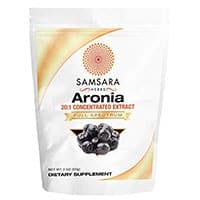
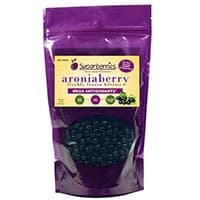
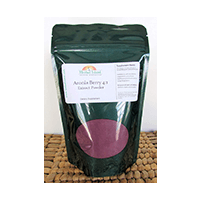
Use the ranked products as a quality-first filter, not as a treatment plan. Start by deciding your format goal: powder for smoothies, capsule for convenience, or liquid concentrate for taste and flexibility. Then compare serving size, extract disclosure, and total daily cost. If your goal is consistency, choose the format you can actually follow for weeks.
Many shoppers compare chokeberry with other dark-berry categories. For another anthocyanin-forward berry lane, see our blueberry supplements guide. If you’re comparing South American “superfruit” positioning, read our maqui berry supplements guide. For a more mainstream berry extract category often used in similar wellness stacks, review our acai berry supplements guide. These categories overlap in marketing language, but they are not interchangeable in formulation or label quality.
What to look for in a chokeberry supplement
Clear aronia identity on the label
Look for explicit mention of Aronia melanocarpa (or clearly identified chokeberry material) in the supplement facts. Vague “berry complex” formulas can make it hard to know how much chokeberry you’re actually taking.
Extract amount and standardization details
The most useful labels disclose exact milligrams of chokeberry extract per serving and, when applicable, standardization details such as total polyphenols or anthocyanin content. Percentages alone are not enough if serving amounts are small or unclear.
Sugar and additive profile in liquid products
If you’re choosing syrup or liquid concentrate, check added sugars, sweeteners, and flavoring. Some “berry health” products are effectively sweetened beverages with minimal active fruit content.
Single ingredient vs blend formulas
Combination formulas can be convenient but may include many ingredients that dilute chokeberry’s role in the product. If you want to evaluate chokeberry specifically, a transparent single-ingredient product usually gives cleaner feedback.
Testing and sourcing transparency
Look for signs of quality control such as lot traceability, third-party testing language, and credible sourcing disclosures. For daily-use botanical products, manufacturing transparency is not optional.
Mistakes to avoid
- Buying based on “superfood” branding alone. Always prioritize supplement facts and measurable disclosure.
- Stacking multiple berry extracts without a plan. Overlap across acai, blueberry, aronia, and resveratrol-style products can add complexity with unclear benefit.
- Assuming fruit extracts can replace medical care. If your goals involve blood pressure, glucose, or lipids, supplements should be adjuncts to clinician-guided care.
- Ignoring GI tolerance. Some users report digestive discomfort with concentrated berry products, especially when introduced quickly.
- Switching products too often. Constant brand changes make it hard to evaluate real fit or tolerability.
FAQs
What is chokeberry used for in supplements?
Most products are marketed for antioxidant and cardiovascular-wellness support, based on aronia’s polyphenol profile. It is a dietary supplement category, not an approved treatment for cardiovascular disease.
Is chokeberry the same as elderberry or blueberry?
No. They are different berries with different compositions and product formulations. Similar color and marketing language do not mean equivalent labels or effects.
Can I take chokeberry every day?
Some people do, but daily use should match your health context and medication profile. If you are on chronic medications, clinician review is the safer route.
What side effects are commonly discussed?
Most issues are mild and GI-related (bloating or discomfort), but responses vary by person and product type. Stop and seek medical advice for persistent or severe symptoms.
Are powders better than capsules?
Not automatically. Powders can be flexible and cost-effective, while capsules are easier for precise daily use. The best choice is the one with transparent labeling and reliable adherence.
How long should I trial a product?
If your clinician agrees with a trial, keep other variables stable and evaluate over several weeks. Changing diet, exercise, and multiple supplements at once makes interpretation difficult.
How we shortlist products
Our rankings prioritize clear ingredient identity, practical serving design, transparent extract disclosure, manufacturing credibility, and value for disclosed active content. We do not reward generic antioxidant marketing without measurable label support. For full details on criteria and scoring philosophy, see our methodology.
Bottom line
Chokeberry supplements can be a reasonable option for readers who want a polyphenol-rich berry category with flexible formats. The strongest products are usually the ones with clear aronia disclosure, sensible serving guidance, and quality signals you can verify.
If your goals involve blood pressure, glucose, or lipid changes, treat chokeberry as a possible adjunct—not a replacement for clinical monitoring and evidence-based care. Keep your stack simple, prioritize transparency, and choose a format you can follow consistently.