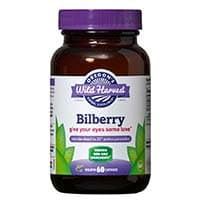
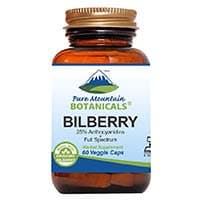
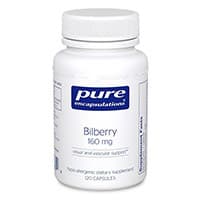
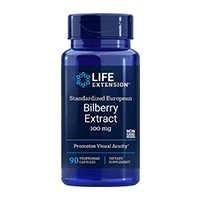
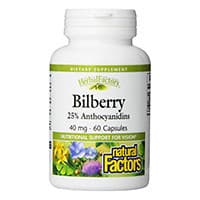
What bilberry supplements are (and why they are not “blueberry pills”)
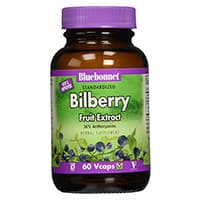
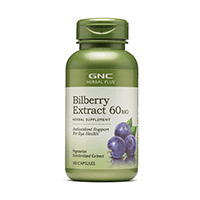
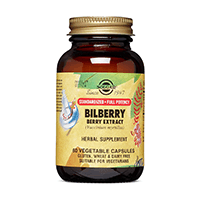
Bilberry refers to Vaccinium myrtillus, a European relative of blueberries that is concentrated in certain anthocyanin pigments. In supplements, bilberry usually shows up as a fruit extract standardized to anthocyanosides (or similar marker language), marketed heavily toward eye comfort, night vision folklore, screen-fatigue narratives, and general antioxidant positioning.
That marketing history matters because bilberry gets conflated with blueberry products, generic “berry blend” powders, and other polyphenol extracts that are not interchangeable on a label. If you cannot identify the species, the extract type, and what the standardization means per serving, you are not comparing bilberry—you are comparing packaging.
This guide is educational, not medical advice. If you have diabetic eye disease, macular degeneration, sudden vision changes, or take anticoagulants, do not use bilberry to postpone ophthalmology care or medication review.
How to use this guide
Use the shortlist to filter for honest extract disclosure, credible manufacturing, and brands that resist “WWII night vision” myths as if they were modern clinical endpoints. Use the body below to match product type to your goal—eye-comfort support versus general polyphenol intake—and to avoid paying extract prices for fruit powder filler.
If you are comparing North American “blueberry” supplements and European bilberry extracts, start with the category framing in our blueberry supplements guide—similar berry culture, different species and label habits. If you are shopping polyphenol extracts more broadly, grape seed extract is a useful contrast for proanthocyanidin-style marketing and dose transparency issues. If your eye-health shopping list leans carotenoid rather than anthocyanin, compare goals with astaxanthin—a different pigment class with different typical use cases.
What to look for in a bilberry supplement
Species identity: Vaccinium myrtillus should be explicit
Look for the Latin binomial on the label. If you only see “wild blueberry” or “berry antioxidant blend,” you may not be buying bilberry at all.
Anthocyanoside standardization that maps to a serving
Standardization language is only helpful if it connects to milligrams per serving. “High potency” banners without per-serving chemistry are decoration.
Extract versus powder versus blend dilution
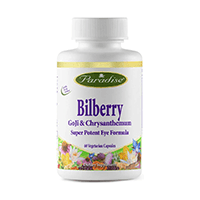
Some products are mostly carrier powder with a small extract inclusion. Check whether bilberry extract is a primary ingredient or a line item lost in a proprietary matrix.
Realistic outcome framing
Many users want relief from eye strain after long screen time. That symptom is real, but supplements are not a replacement for breaks, blink habits, dry-eye evaluation, corrected vision, or ophthalmic disease care when indicated.
Quality testing and contaminants
Berry extracts deserve serious identity and contaminant screening like any botanical. Prefer brands that describe testing scope meaningfully, not generic “lab tested” badges.
Who bilberry is often a fit for (and who should get clinician input first)
Often a reasonable fit when
- You want a conservative trial for subjective eye fatigue with a transparent extract label.
- You can track tolerance (GI upset, headache) and stop early if needed.
- You are not expecting prescription-level vision changes from an OTC capsule.
Use extra caution when
- You have diabetes-related eye disease or a history of retinal issues—supplements do not replace surveillance.
- You take warfarin or high-risk anticoagulant stacks without pharmacist review (flavonoid-rich products are a “ask first” category).
- You have sudden vision loss, flashes/floaters changes, or painful red eye—those are urgent medical contexts.
Compare two bilberry labels in 60 seconds
- Step 1: Vaccinium myrtillus stated clearly?
- Step 2: Anthocyanoside (or credible marker) mg per serving?
- Step 3: Extract strength language that actually parses mathematically?
- Step 4: Proprietary blend hiding true extract dose?
- Step 5: Price per labeled active versus giant berry powder tubs?
Common mistakes that waste money
- Buying “vision blends” without knowing the bilberry fraction.
- Confusing bilberry with generic blueberry powder and wondering why “it feels weak.”
- Ignoring dry-eye and ergonomics while expecting a pill to defeat twelve-hour meetings.
- Mega-dosing polyphenols across multiple products without noticing overlap.
- Using supplements to avoid an eye exam you have been postponing.
What to monitor in the first 3–6 weeks
If your clinician agrees to a trial, track subjective eye comfort (with consistent screen breaks), headache frequency, sleep (sometimes relevant indirectly), GI tolerance, and any unusual bruising if anticoagulants are in play. Stop for severe rash, swelling, breathing difficulty, or neurologic visual symptoms and seek urgent care when appropriate.
FAQs
Does bilberry improve night vision?
The famous historical story is not a reliable guide to modern outcomes. Some older research explored dark adaptation and related endpoints, but supplement-grade certainty is not what marketing often implies. A realistic goal is mild subjective support for some users—not cockpit-grade night vision.
Is bilberry good for eye strain?
Some people report subjective improvement alongside ergonomics changes. If eye strain is persistent, rule out uncorrected refractive error, dry eye, migraine variants, and other treatable causes.
Can bilberry help macular degeneration?
Do not self-treat sight-threatening conditions with OTC berry extracts. AMD management belongs to eye specialists and evidence-based protocols.
How does bilberry differ from lutein and zeaxanthin?
Bilberry marketing often lives in the anthocyanin lane; macular carotenoid products target different mechanisms and endpoints. Your “best” choice depends on your actual diagnosis and clinician guidance—not on which aisle has prettier berries.
Can bilberry affect blood sugar?
Berry extracts are sometimes discussed in glucose contexts. If you use diabetes medications, monitor per your clinician’s plan when adding new supplements—symptom shifts can be misleading if you change multiple variables at once.
How long should I trial one product?
If medically appropriate, use one transparent extract for several weeks with stable screen habits before judging. Weekly brand swaps create useless noise.
How we shortlist products on this page
We prioritize botanical identity, meaningful standardization disclosure, manufacturing credibility, and claims that do not exploit vision fear. For how we evaluate products across categories, read our methodology.
Bottom line
Bilberry can be a reasonable polyphenol-forward option for adults seeking a disciplined trial for subjective eye fatigue—when labels are species-correct and extracts are honestly dosed. It is not a substitute for ophthalmology when symptoms are significant, sudden, or disease-linked.
If your vision changes are new or progressive, treat that as a medical priority first—then decide whether a berry extract still belongs in the plan.