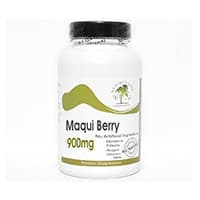
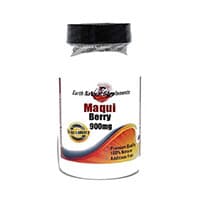
Why people shop maqui berry supplements
Aristotelia chilensis—maqui—is a dark purple fruit from southern Chile and adjacent regions, sold as powders, capsules, and concentrated extracts. Most products lean on a familiar story: polyphenols and anthocyanins from intensely pigmented fruit, packaged for people who want antioxidant-forward routines without adding another multivitamin to the counter. Marketing can run hot; your job is to translate “superfruit” language into a label you can compare honestly.
This guide is educational, not medical advice. Dietary supplements are not treatments for heart disease, diabetes, or cognitive decline. If you take anticoagulants, have complex medical conditions, or are pregnant or breastfeeding, discuss new concentrated botanicals with a clinician—especially if you already eat a polyphenol-rich diet and take other supplements aimed at the same goals.
Below the shortlist, we cover extracts versus whole fruit powders, standardization, realistic expectations, and common shopping mistakes. For how we evaluate products in ranked guides, see our methodology.
How to use this guide
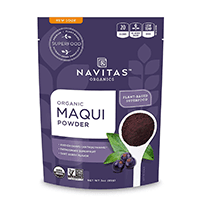
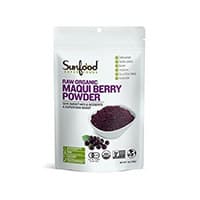
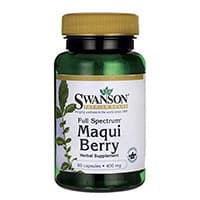
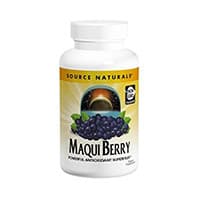
Use the ranked list as a quality-first filter, not a promise of measurable health outcomes. Maqui products vary from bulk freeze-dried powders (smoothie-friendly) to capsules built around concentrated extracts. Decide whether you care most about convenience, cost per serving, or potency disclosure—those priorities often point to different winners.
Readers frequently compare dark-pigment berries while they shop. If you are evaluating similar categories, our guides to açaí supplements and blueberry supplements help clarify different sourcing stories and labeling norms. For another anthocyanin-forward option with a different plant profile, see chokeberry (aronia) supplements—useful context so you do not treat every purple powder as interchangeable.
What to look for
Whole fruit powder vs. concentrated extract
Freeze-dried fruit powders can taste pleasant in shakes and deliver a broad matrix of fruit compounds, but potency swings with harvest and processing. Extracts may be easier to compare when brands publish clear milligrams per serving and describe concentration thoughtfully. Neither approach is automatically “better”—match the format to your routine and to how much label transparency you demand.
Anthocyanins, delphinidins, and marketing math
Maqui is often discussed for specific anthocyanin profiles, but retail claims vary in rigor. Look for explicit amounts per serving when a brand advertises standardization—vague “proprietary antioxidant blends” make apples-to-apples shopping difficult. If two products look similar on the front label but one hides amounts on the supplement facts, treat opacity as a decision point.
Additives, sweeteners, and “berry drink mixes”
Some products are mostly flavoring and filler with a dusting of fruit. Scan the supplement facts for sugar content, juice concentrates, and unnecessary extras if your goal is a concentrated botanical rather than a beverage. Calories and carbohydrates matter if you track them closely.
Testing and contaminants
Botanical powders can carry agricultural residues or heavy metals depending on sourcing and testing practices. Prefer brands that publish third-party testing or certificates of analysis when available. Organic certification is one signal; testing is another.
Who should be cautious
- Blood thinners and bleeding-risk histories: concentrated polyphenol products are not “free” from interaction concerns—get clinician guidance.
- Digestive sensitivity: fruit powders can upset some stomachs at higher servings; start conservatively if you are new to concentrated fiber-rich mixes.
- Polyphenol stacking: if you already take multiple antioxidant supplements, reconsider total load and redundancy before adding another daily powder.
Mistakes to avoid
- Buying color instead of specs. Deep purple photography does not prove potency; milligrams and honest standardization do.
- Replacing fruit and vegetables with capsules. Supplements can complement a diet; they rarely substitute for produce diversity.
- Expecting rapid, dramatic lab-marker changes. If you have medical targets, work with professionals and validated interventions—not supplement hype cycles.
- Ignoring serving size traps. A “one scoop” front label may mean two or three servings daily when you read the fine print.
FAQs
What is maqui berry?
Maqui is a small dark fruit traditionally consumed in its growing regions and now sold globally as powders and extracts. Supplement labels should identify the plant and form (fruit powder, extract, and so on).
Is maqui the same as açaí?
No—different plants, different supply chains, different typical formulations. Compare products on their own supplement facts rather than on similar Instagram aesthetics.
How should I take it?
Follow the product label unless your clinician advises otherwise. Powders often pair with smoothies; capsules favor travel and consistent dosing. Consistency matters more than chasing a “perfect” time of day.
What side effects are commonly discussed?
Mild digestive upset can occur with fruit powders or new fibers—responses vary. Stop and seek medical advice for allergic symptoms, severe GI distress, or anything alarming.
Can athletes use maqui products?
Many active people add polyphenol-rich foods and supplements to busy training schedules. If you compete under anti-doping rules, keep sourcing conservative and document what you use—this guide cannot certify eligibility for your sport.
How long until I notice anything?
Subjective energy, recovery, and wellness feelings are noisy signals. If you trial a transparent product, keep sleep, training, and nutrition as stable as practical for a few weeks, then reassess honestly—avoid daily formula changes that make evaluation impossible.
How we shortlist products
Our rankings emphasize label clarity, credible sourcing and testing cues, fair value for disclosed potency, and fit for typical buyer needs in this category—whether you want a smoothie powder or a no-nonsense capsule routine. Rankings are editorial guidance, not medical advice. For the full framework, read the methodology page.
Bottom line
Maqui berry supplements can be a coherent choice if you want a concentrated dark-fruit option with a distinct regional story—but only when the label earns your trust with clear servings and minimal gimmicks. Prioritize transparency, watch for sugary drink mixes disguised as wellness, and keep expectations aligned with what supplements can realistically offer alongside a solid diet.
Use the shortlist to identify credible candidates, then decide based on taste, convenience, and whether powder or extract fits your day-to-day habits.