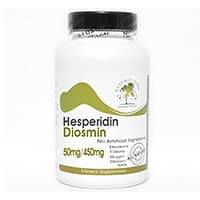
Why people shop hesperidin supplements
Hesperidin is a citrus-derived flavonoid (a type of polyphenol) commonly sold as a standalone extract or bundled into “citrus bioflavonoid” complexes and vitamin C formulas. Shoppers often arrive from two directions: curiosity about vascular and capillary “support” language common in circulation-adjacent marketing, or interest in antioxidant stacks alongside other polyphenols. This guide stays educational: supplements are not treatments for chronic venous disease, hemorrhoids, or cardiovascular conditions—those are medical domains.
If you take anticoagulants or antiplatelet drugs, have bleeding disorders, or plan surgery, discuss concentrated flavonoid supplements with a clinician. If you are pregnant or breastfeeding, get professional guidance before daily high-dose extracts—not just casual “vitamin aisle” assumptions.
Below the shortlist, we cover hesperidin vs. blends, diosmin pairings, label-reading, and realistic expectations. For how we evaluate products in ranked guides, see our methodology.
How to use this guide
Use the ranked list as a transparency-first filter: hesperidin products vary from minimalist capsules to broad flavonoid mixes. Decide whether you want a targeted hesperidin dose you can track (easier math, clearer intent) or a multi-flavonoid formula (more ingredients, less clarity about what drove a good or bad week).
Readers frequently compare citrus flavonoids with other polyphenol categories. If you are evaluating quercetin—another flavonoid with a different typical use and dosing culture—our quercetin supplements guide is a useful parallel read. Because hesperidin often appears alongside vitamin C in “complex” products, our vitamin C supplements guide helps separate ascorbic acid priorities from the flavonoid add-ons. If your interest is citrus-forward botanicals more broadly, grapefruit supplements cover a different product lane with different interaction folklore—worth understanding so you do not confuse categories.
What to look for
Standalone hesperidin vs. blends
Look for milligrams of hesperidin per serving—not just “citrus bioflavonoid blend” totals that hide individual compounds. If a brand will not disclose amounts, you cannot compare value or troubleshoot tolerance.
Hesperidin paired with diosmin (and what that means for you)
Some formulas combine flavonoids in fixed ratios marketed toward circulation comfort. That is a legitimate product design—but it is not automatically what every reader needs. If you want hesperidin alone, do not buy a diosmin-heavy formula by accident.
Extract ratios and purity cues
Ratios like “90% hesperidin” can help compare apples to apples—when the label actually supports the claim with clear supplement facts. Prefer brands that explain sourcing and testing in plain language over brands that rely on color words alone.
Interactions: medications, surgery, and citrus complexity
Flavonoid supplements are not “just antioxidants” in clinical reality. Drug–supplement interactions can matter depending on your regimen. Bring a printed supplement facts panel to your pharmacist when you start a new prescription—especially if you take multiple cardiovascular or anticoagulant drugs.
GI tolerance and daily rhythm
Some people tolerate flavonoids best with food; others notice reflux or GI upset at higher servings. Start with label-directed use unless your clinician advises a different plan, and track symptoms honestly.
Mistakes to avoid
- Chasing “bioflavonoid” totals without composition. A big number on the front label can mean little if the panel is opaque.
- Stacking multiple polyphenol products blindly. You can duplicate classes of compounds across greens powders, multis, and “longevity” stacks.
- Replacing medical evaluation of leg pain, swelling, or clots. New calf pain, swelling, or shortness of breath are emergencies—not supplement moments.
- Ignoring capsule load. Effective servings sometimes mean multiple pills; calculate before you buy.
FAQs
What is hesperidin?
Hesperidin is a flavonoid glycoside found in citrus peels and related plant materials. It is sold as a dietary supplement, not as a drug approved for specific diseases in the United States.
Is hesperidin the same as vitamin C?
No. Vitamin C is ascorbic acid; hesperidin is a flavonoid. They are sometimes combined in one product, but they are different lines on the supplement facts panel.
What side effects are commonly discussed?
Mild GI upset, headache, or flushing appear in anecdotal reports—responses vary. Stop and seek medical advice for severe symptoms, allergic reactions, unusual bruising, or bleeding.
Can I take hesperidin with other antioxidants?
It depends on your total intake goals and your medication list. More is not automatically better—redundancy and interaction risk are real considerations.
How long should I evaluate a transparent product?
Subjective comfort and vascular-adjacent symptoms are noisy signals. If you and your clinician agree on a trial, use stable servings and consistent lifestyle inputs for several weeks before judging—avoid changing five variables at once.
Is hesperidin vegan?
Many capsules are vegan; some use animal-derived capsule shells. Read labels if that matters to you.
How we shortlist products
Our rankings reward clear milligram disclosure of hesperidin (and partner flavonoids when present), credible manufacturing and testing cues, fair value for disclosed potency, and practical fit—single-ingredient vs. thoughtfully designed complexes. Rankings are editorial guidance, not medical advice. For the full framework, read the methodology page.
Bottom line
Hesperidin supplements can be a coherent choice if you want a citrus flavonoid with a defined place in polyphenol conversations—but the best product is the one with a label you can audit and a purpose that matches your clinician’s plan. Prioritize disclosed amounts, avoid mystery blends, and treat circulation symptoms as medical signals when they are new or worsening.
Use the shortlist to narrow transparent candidates, then decide based on capsule burden, extract clarity, and whether you truly want hesperidin alone or as part of a broader flavonoid complex.