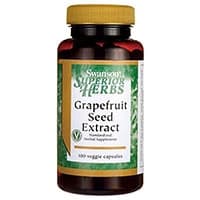
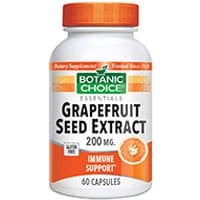
Why people buy grapefruit supplements
Grapefruit shows up in supplements as seed extracts, peel powders, citrus bioflavonoid complexes, and concentrated fruit extracts—sometimes marketed toward antioxidant-minded shoppers or bundled into vitamin C formulas. The important shopping reality is bigger than “citrus is healthy”: grapefruit and certain grapefruit-derived compounds are famous for medication interactions (commonly discussed with enzymes like CYP3A4). A capsule is not automatically “safer than juice” just because it is dry—concentration and daily use can still matter for some regimens.
This guide is educational, not medical advice. If you take prescription medications—especially drugs with known grapefruit warnings—do not add grapefruit supplements without your pharmacist or prescriber reviewing the exact product label. Bring the supplement facts panel, not marketing screenshots.
Below the shortlist, we cover extracts vs. whole-fruit powders, label-reading for blends, interaction vigilance, and common mistakes. For how we evaluate products in ranked guides, see our methodology.
How to use this guide
Use the ranked list as a safety-and-transparency filter first: identify what the product actually is (seed vs. peel vs. fruit extract), how concentrated it is, and what else is in the capsule. If your goal is a flavonoid-forward routine, decide whether you want grapefruit as the headline ingredient or a broader citrus complex where grapefruit is one line among many—those are different risk and troubleshooting profiles.
Readers often compare citrus-derived flavonoids without realizing how differently products are built. If you are evaluating hesperidin—another citrus-associated flavonoid sometimes sold standalone—see our hesperidin supplements guide. For quercetin (a flavonoid with a different typical use and dosing culture), read our quercetin supplements guide. Because grapefruit ingredients frequently appear alongside ascorbic acid in “immune” complexes, our vitamin C supplements guide helps separate vitamin priorities from the citrus add-ons.
What to look for
Seed extract vs. peel vs. fruit powder—read the plant part
“Grapefruit” on the front label can mean different raw materials with different compositions. The supplement facts should identify the part used and the amount per serving. If the brand relies on vague “citrus blend” language, you cannot compare value—or predict interactions—honestly.
Concentration and daily totals
Extracts can pack more plant material equivalents into a smaller capsule than a slice of fruit. That is not inherently bad, but it is why “it’s natural” is the wrong mental model for people on sensitive medications. Calculate what you take daily, not what you take once in a while.
Blends, sweeteners, and “immune” formulas
Retail mixes may add herbs, minerals, vitamins, and sweeteners. More ingredients means more interaction and tolerance variables—especially if you already take a multivitamin or other polyphenol products.
Quality: identity, heavy metals, and pesticides
Citrus peels can carry agricultural residues depending on sourcing. If organic certification and testing matter to you, treat them as decision points—not decoration.
Interaction checklist (non-exhaustive)
- Prescription medications with grapefruit warnings: pharmacist review is mandatory.
- Statin drugs and many cardiovascular medications: do not improvise.
- Immunosuppressants and narrow therapeutic index drugs: treat supplements as clinically relevant.
- Upcoming surgery: follow your team’s instructions on supplement holds.
Mistakes to avoid
- Assuming supplements are “too weak” to matter. Concentration and daily repetition change the picture.
- Stacking multiple citrus-flavonoid products. You can duplicate classes of compounds across greens powders, multis, and “antioxidant” stacks.
- Replacing prescribed care with fruit extracts. Cardiovascular and metabolic conditions require medical management—not a capsule swap.
- Ignoring new symptoms after starting a product. Muscle pain, unusual dizziness, or abnormal bleeding warrant urgent medical attention when you are on interacting drugs.
FAQs
Are grapefruit supplements the same as drinking grapefruit juice?
Not necessarily—different products, different concentrations, and different co-ingredients. For interaction questions, your clinician and pharmacist care about the specific supplement facts and your medication list, not the beverage analogy.
Can I take grapefruit seed extract if I avoid juice?
That is a prescriber/pharmacist question because “avoiding juice” does not automatically mean a concentrated extract is appropriate for your regimen.
What side effects are commonly discussed?
GI upset, reflux, and headache appear in anecdotal reports—responses vary. Stop and seek medical advice for severe symptoms, allergic reactions, or unusual changes if you take prescription drugs.
Is organic grapefruit extract better?
Organic sourcing can reduce certain pesticide concerns, but identity testing and manufacturing quality still matter—especially for botanicals.
Can athletes use these products?
If you compete under anti-doping rules, treat every supplement as a liability until your governing body’s guidance is satisfied—this guide cannot certify eligibility.
How should I store citrus-based powders?
Follow label storage guidance; avoid hot, humid environments that can degrade flavor and encourage clumping.
How we shortlist products
Our rankings reward clear identification of grapefruit source material, honest disclosure of extract amounts, credible manufacturing and testing cues, and practical fit—single-ingredient vs. blends—while emphasizing that label quality is especially important in interaction-sensitive categories. Rankings are editorial guidance, not medical advice. For the full framework, read the methodology page.
Bottom line
Grapefruit supplements can be a legitimate category if you want citrus-derived compounds in a measured format—but the headline story here is interaction vigilance, not antioxidant aesthetics. Prioritize pharmacist-reviewed safety, transparent supplement facts, and skepticism toward blends that hide what you are actually taking each day.
Use the shortlist to identify credible candidates, then choose based on sourcing trust, capsule burden, and whether you truly need grapefruit specifically versus a clearer citrus-flavonoid product.