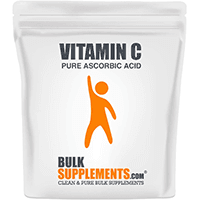
What vitamin C supplements are (and why “1000 mg” is not a personality)
Vitamin C (ascorbic acid and salts like sodium ascorbate) is a water-soluble antioxidant used in collagen synthesis support, immune-season marketing, and iron absorption routines. It is also one of the easiest supplements to megadose because it feels “safe”—and while true toxicity is uncommon, GI upset, kidney stone risk conversations in susceptible people, and redundant stacking across powders, multis, and immune blends are very common real-world problems.
The practical shopping frame is not “find the strongest tub.” It is: what dose you actually need, what form you tolerate (acidic ascorbic acid versus buffered salts), whether liposomal pricing is justified for your goal, and whether you are accidentally turning your whole supplement routine into a vitamin C slurry.
This guide is educational, not medical advice. If you have a history of kidney stones, chronic kidney disease, iron overload disorders, or take medications where high-dose antioxidants might matter clinically, discuss vitamin C dosing with a clinician before pushing grams per day.
How to use this guide
The shortlist helps you filter for honest milligram dosing per serving, credible manufacturing, and brands that do not hide vitamin C inside proprietary “immune matrices.” The body below helps you match product type to intent—short-term higher doses during travel weeks versus steady moderate daily support—and avoid paying liposomal prices when a simple buffered tablet would meet your tolerance goal.
If you are building immune-season stacks, remember vitamin C is only one ingredient class. Zinc is a separate mineral lane with different timing and tolerance rules. If your vitamin C goal is supporting iron absorption from meals or supplements, coordinate totals with iron products and clinician guidance—timing and dose matter more than brand mythology. If you are buying “beauty vitamin C” powders bundled with protein, scan collagen labels for hidden vitamin additions so you do not double-count across tubs.
What to look for in a vitamin C supplement
Ascorbic acid vs sodium ascorbate (buffered) vs mineral ascorbates
If ascorbic acid upsets your stomach, buffered forms can help—at the cost of sodium or other minerals you may not want in quantity. Choose based on tolerance and medical context, not marketing adjectives.
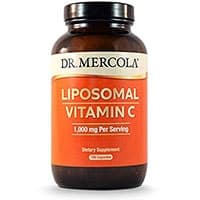
Liposomal vitamin C: sometimes useful, often overpriced
Liposomal formats can be worthwhile for specific goals and tolerability stories, but they are not automatically “more effective” for everyone. Judge by label honesty and your own response—not influencer demos.
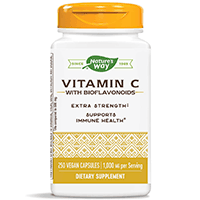
Bioflavonoids and rose hip add-ons
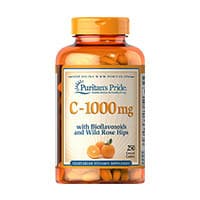
Some products include citrus bioflavonoids or rose hips. They may be fine, but they are not a substitute for clear ascorbate milligrams per serving.
Powders, capsules, and “buffered” drink mixes
Powders win flexibility; capsules win portability. Drink mixes can hide sugar—read the Nutrition Facts like food.
Manufacturing and contaminant seriousness
Prefer meaningful third-party testing language—not decorative badges.
Who vitamin C may be appropriate for (and who should be cautious)
Often a reasonable fit when
- You want a defined daily amount with clear milligrams and stable habits.
- You split doses to improve tolerance during higher-intensity short windows (when medically appropriate).
- You audit multis and immune blends to avoid accidental gram stacking.
Use extra caution when
- Kidney stone history or kidney disease—discuss high doses with a clinician.
- Hemochromatosis or other iron overload conditions—iron absorption support is not automatically desirable.
- You take high-dose vitamin C alongside many other antioxidants without a plan.
Compare two vitamin C labels in 60 seconds
- Step 1: mg vitamin C per serving stated plainly?
- Step 2: servings/day and true daily total at your intended use?
- Step 3: buffered salt load (sodium) if you track blood pressure?
- Step 4: sugar in drink mixes?
- Step 5: overlap with multivitamin + immune gummies + greens powders?
Common mistakes that waste money
- Buying liposomal first before trying a well-made buffered tablet.
- Taking one giant dose and quitting after diarrhea.
- Ignoring total intake across five products that each “only” add a little.
- Expecting vitamin C to prevent colds with certainty—evidence is mixed and context-dependent.
- Paying for “natural” sourcing without better quality testing justification.
What to monitor in the first 2–4 weeks
Track GI tolerance, reflux, sleep (if late dosing bothers you), and urination comfort if you are stone-prone and clinician-advised to watch symptoms. Stop and seek care for severe flank pain, blood in urine, or persistent vomiting.
FAQs
How much vitamin C should I take?
Needs vary by diet, season, travel, and medical context. Public intake references exist, but gram-level dosing should be individualized—especially with kidney history.
Does vitamin C help colds?
Some trials suggest modest effects in selected contexts; it is not a guaranteed shield. A fair personal trial uses stable dosing and realistic expectations.
Should vitamin C be taken with food?
Often yes for GI tolerance; iron absorption routines sometimes use strategic timing—follow clinician guidance if iron is medical.
Can vitamin C cause kidney stones?
High doses are discussed as a risk factor in susceptible people; personal and family stone history matters.
Is “natural vitamin C” better?
Ascorbic acid is ascorbic acid at the molecule level; product quality and your tolerance matter more than the adjective on the bottle.
How long should I trial one product?
If medically appropriate, use one transparent product for 2–4 weeks with stable habits before switching brands.
How we shortlist products on this page
We prioritize transparent milligram dosing, manufacturing credibility, honest format claims (buffered/liposomal), and conservative guidance for kidney and iron contexts. For how we evaluate products across the site, read our methodology.
Bottom line
Vitamin C is a useful, inexpensive supplement category when dosing is clear, tolerance matches the form, and you are not accidentally megadosing across your entire pantry of immune powders. The best purchase is usually the simplest product that solves your actual problem—stomach-friendly dosing, predictable milligrams, and no sugar Trojan horse in drink mixes.
If kidney risk, iron disorders, or medication complexity exists, treat clinician input as the gatekeeper—vitamin C is not “just water soluble” in every medical story.