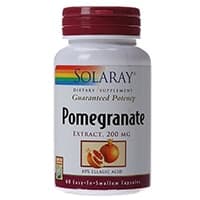
Why people shop pomegranate supplements
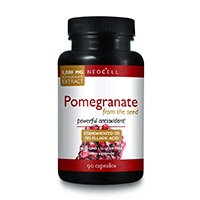
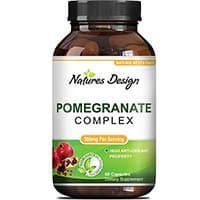
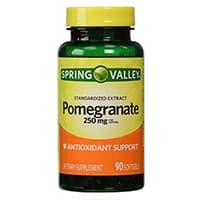
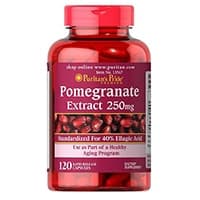
Pomegranate supplements are usually marketed for antioxidant support, cardiovascular wellness, exercise recovery, and healthy aging. Most products are built from pomegranate fruit, peel, or standardized extracts that focus on polyphenols such as punicalagins and related compounds. The category looks simple from a distance — “fruit antioxidant in a capsule” — but in practice labels vary a lot in potency, extract quality, and dosing realism.
That variation matters. Two bottles can both say “pomegranate extract” while one provides a meaningful, standardized daily serving and the other hides small amounts in a generic “superfruit blend.” If your goal is to buy something useful instead of just expensive branding, you need to compare active disclosure, format, and routine fit — not just front-label claims.
This guide is educational and not medical advice. If you take blood pressure medications, anticoagulants, antiplatelet medications, or have complex chronic conditions, discuss concentrated pomegranate supplementation with a qualified clinician before use. Food-level pomegranate intake and concentrated extract routines are not always equivalent in interaction context.
How to use this guide
Use the ranked list as a quality and practicality filter, not as a treatment protocol. Start with a single clear objective:
- General antioxidant support in a foundational wellness routine
- Cardiovascular-adjacent support as part of broader clinician-guided care
- Training/recovery support in an exercise-focused stack
Once the objective is clear, choose products based on active transparency and dosing consistency. If you already use multiple polyphenol products, stack overlap is a bigger issue than most people realize. Keep your routine simple enough to interpret.
If you’re comparing adjacent antioxidant categories, review our resveratrol supplements guide for a different polyphenol lane often discussed in healthy-aging routines. For another flavonoid-focused category frequently stacked in similar protocols, see our quercetin supplements guide. If your shopping path overlaps with berry-derived polyphenol products, our maqui berry supplements guide offers a useful comparison.
For full product ranking criteria across the site, see our methodology.
Who this category is for (and who should avoid casual stacking)
Usually a better fit for
- Users who want one transparent polyphenol product rather than broad “superfruit cocktail” blends.
- People with stable routines who can evaluate tolerance and consistency over a few weeks.
- Shoppers who prioritize clear extract disclosure and realistic serving design.
Usually a poor fit for unsupervised use
- Anyone on multiple anticoagulant/antiplatelet therapies without clinician review.
- Users already running complex antioxidant stacks with little dose tracking.
- People expecting one fruit extract to replace nutrition, sleep, and cardiometabolic care.
How to compare two pomegranate labels in 60 seconds
- Step 1: Confirm source material (fruit extract, peel extract, juice powder, or blend).
- Step 2: Confirm mg per serving and any standardized active claims (e.g., punicalagins/polyphenols).
- Step 3: Confirm daily serving frequency and true monthly cost at full use.
- Step 4: Check whether it is standalone or buried in a mixed “antioxidant matrix.”
- Step 5: Check interaction warnings and quality transparency.
If active amounts are vague or proprietary, treat that as a quality red flag.
What to look for in a pomegranate supplement
Extract transparency and standardization quality
Good products make active disclosure easy: exact extract amount and clear standardization details where relevant. Generic “high antioxidant” language without numbers is low-value information.
Fruit vs peel extract context
Different source materials can imply different phytochemical profiles. What matters practically is not marketing language but whether the label clearly tells you what part is used and how much.
Capsule, powder, or liquid format fit
Capsules are often best for dose consistency. Powders can be flexible but may hide flavoring or sweeteners. Liquids can be convenient but sometimes include sugars and lower active density than expected. Choose based on adherence and label clarity, not format hype.
Stack simplicity over “more antioxidants”
Many users add pomegranate on top of resveratrol, quercetin, berry blends, greens powder, and multivitamins simultaneously. That can increase cost and interpretation noise faster than actual benefit. One clean product is often more useful than five overlapping ones.
Quality and contaminant transparency
Look for credible manufacturing practices and clear sourcing/testing language. In plant-extract categories, product reliability often comes from boring quality controls, not dramatic health claims.
Common mistakes that waste money
- Buying “superfruit blends” without active-dose clarity. You may pay premium pricing for tiny ingredient amounts.
- Expecting immediate cardiovascular transformation. Supplement routines do not replace blood pressure/lipid monitoring or clinician-guided treatment.
- Ignoring medication context. Interaction questions deserve pharmacist/clinician review before routine use.
- Changing multiple antioxidant products at once. This makes outcome tracking almost useless.
- Skipping foundational habits. Diet quality, activity, sleep, and stress management still drive most long-term outcomes.
What to monitor in your first 2-4 weeks
If your clinician supports a trial, monitor:
- Tolerance: GI comfort, headaches, unusual bruising, or other concerning symptoms.
- Routine adherence: whether the serving schedule is practical long term.
- Stack overlap: total polyphenol load from all products.
- Goal-relevant trends: subjective recovery, day-to-day energy stability, and consistency.
- Medication fit: any unusual response should trigger prompt clinician/pharmacist review.
FAQs
What is pomegranate extract used for?
Most products are marketed for antioxidant and cardiovascular-wellness support, with some positioning around exercise recovery and healthy aging. It is a supplement category, not a replacement for disease treatment.
Is pomegranate supplement the same as drinking juice?
No. Juices and extracts differ in concentration, sugar content, and phytochemical profile. They are related but not interchangeable.
Can I take pomegranate supplements daily?
Many users do, but daily use should match your medication context and tolerance. If you are on blood-thinning medications, clinician review is especially important.
What side effects are commonly discussed?
Some users report GI discomfort or mild headaches; most effects are dose/context dependent. Seek medical advice for persistent or concerning symptoms.
Are higher polyphenol numbers always better?
Not necessarily. Better means better fit: transparent dosing, tolerability, and a routine you can maintain.
How long should I trial one product?
If medically appropriate, keep one product and routine stable for several weeks before judging. Rapid product-switching weakens decision quality.
Can pomegranate replace my cardiometabolic treatment plan?
No. It may be an adjunct for some users, but clinical care, labs, and foundational lifestyle habits remain primary.
Bottom line
Pomegranate supplements can be a strong option for users who want a transparent polyphenol category with flexible formats, but quality and context matter more than “superfruit” branding. The best product is usually one with clear extract disclosure, practical serving design, and a routine you can sustain.
Keep stack complexity low, monitor tolerance and overlap, and use supplements as supportive tools — not substitutes for core nutrition and clinician-guided care.