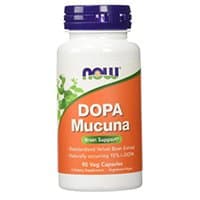
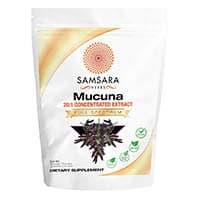
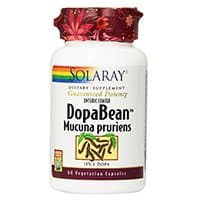
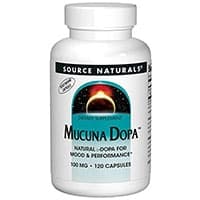
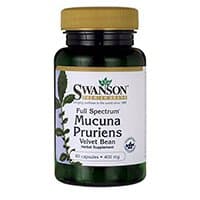
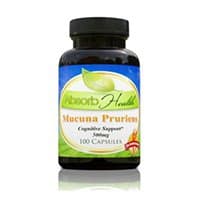
Why people shop Mucuna pruriens supplements
Mucuna pruriens—often called velvet bean—is a legume used in traditional wellness contexts and sold today as a capsule or powder extract. What makes it unusual among botanicals is that the seeds naturally contain compounds related to L-DOPA (levodopa), a building block your body can convert along the dopamine pathway. That chemistry is why this category attracts a mix of curious general-wellness readers and people who are already comparing other “drive,” mood, or focus botanicals.
This guide is educational: we are not diagnosing conditions or recommending that you start, stop, or change any medication. If you take drugs that affect dopamine, mood, or blood pressure—or if you are pregnant, breastfeeding, or treating a neurological condition—talk with a qualified clinician before experimenting with velvet bean products. Supplements vary widely in potency and purity, and “natural” does not mean interaction-free.
Below the shortlist, you will find practical label-reading advice, common pitfalls, and FAQs. The ranked products reflect how we evaluate options in this category; for the principles behind ordering and scoring, see how we rank supplements.
How to use this guide
Treat the shortlist as a curated starting point, not a prescription. Mucuna products are not interchangeable: two bottles with similar branding can differ in extract strength, standardization, and serving size. Use our notes to narrow candidates, then compare the label details that matter to your goals—whether that is a conservative, low-and-slow approach or a standardized extract with clear potency disclosure.
Pair this page with other guides when you are cross-shopping categories that overlap in real life. Readers often compare velvet bean with adaptogens like ashwagandha, libido-forward herbals such as Tongkat ali, or traditional “energy and vitality” botanicals like maca. Those categories solve related problems with different mechanisms, so the best choice depends on tolerance, lifestyle, and what you are trying to avoid (stimulants, extra capsules per day, and so on).
What to look for
Standardization and “L-DOPA” labeling
Look for products that state the amount of extract per serving and how that extract is characterized—ideally with a percentage of L-DOPA or an equivalent transparency statement from the brand. Vague “proprietary blends” that hide individual ingredient amounts make it hard to compare value or titrate conservatively. If you cannot tell how much active material you are getting per capsule, treat that as a red flag unless you have a specific reason to trust the brand’s consistency batch-to-batch.
Form: powder vs. extract capsules
Whole-seed powder can be economical, but potency swings with crop and processing. Standardized extracts are often easier to reason about when you want predictable servings—especially if you are trying to keep daily intake steady. There is no universal “best” form; match the format to your routine (travel, mixing into shakes, pill burden) and to how clearly the label defines a serving.
Quality signals you can actually verify
Third-party testing badges (heavy metals, microbes, identity) are useful when brands publish them or provide certificates of analysis. Allergen statements matter because these are legume-derived products. If you react to related foods or have digestive sensitivity, start with a conversation with a clinician rather than guessing based on marketing copy.
Interaction and safety checklist (non-exhaustive)
- Levodopa-containing medications and dopaminergic drugs: Because Mucuna relates to the levodopa pathway, combining it with prescription Parkinson’s therapies or similar agents is a clinician-only decision. Do not stack on your own.
- MAO inhibitors and certain psychiatric medications: Interactions can be serious. Bring the exact supplement label to your prescriber or pharmacist.
- Pregnancy and breastfeeding: Insufficient high-quality safety data for broad recommendations—get professional guidance.
- Blood pressure and heart rate: Some people are sensitive to changes in tone and autonomic response when using novel supplements. Monitor cautiously and seek care for concerning symptoms.
Mistakes to avoid
- Chasing the highest “% L-DOPA” without context. More standardized potency is not “better” for everyone; it can increase side-effect risk if you are sensitive or on interacting meds.
- Using velvet bean to self-treat diagnosed neurological or psychiatric conditions. These are medical domains; supplements are not substitutes for care.
- Ignoring serving math. Brands sometimes quote per-capsule numbers while you take two or three per day—calculate your true daily exposure before you buy.
- Expecting an immediate, dramatic effect. Responses vary; a prudent approach emphasizes consistency, sleep, nutrition, and realistic timelines.
FAQs
What is Mucuna pruriens, in plain English?
It is a tropical legume whose seeds have a long history of use in traditional practices. In modern supplements, you will typically see seed extracts marketed for general wellness, sometimes with standardization for L-DOPA content. The important point for shoppers is that this is not a “mild green superfood” category in the same way as some other botanicals; the biochemical profile deserves respect and careful label reading.
Is Mucuna pruriens the same as prescription levodopa?
No. Prescription levodopa products are dosed and monitored medically. Supplements are regulated differently, vary in content, and are not appropriate substitutes. If you have a clinical indication for levodopa therapy, that conversation belongs with your neurologist or qualified prescriber—not with a capsule marketed for general wellness.
Why do people compare it to adaptogens or libido herbals?
Because shoppers often explore several “non-stimulant” options when they want energy, mood support, or confidence in intimate wellness—without reaching for caffeine or aggressive stacks. Adaptogens such as those covered in our ashwagandha supplements guide address stress resilience; Tongkat ali and maca show up in overlapping purchase journeys. The mechanisms differ, so choose based on priorities and tolerances rather than hype.
What side effects should I watch for?
Reports in the broader literature and user experience include nausea, headache, changes in mood or alertness, and blood pressure effects in sensitive individuals—this is not a complete list. Stop and seek medical advice for severe or persistent symptoms. Keep a simple log of brand, serving, and timing if you are troubleshooting tolerance with a clinician.
Can I take this every day?
Some people cycle supplements; others prefer steady use. There is no one-size answer in a general guide. If daily use is your plan, prioritize brands with transparent standardization so your intake does not drift unknowingly between batches. Revisit your regimen if your medications or health status changes.
How we shortlist products
Our ranked list reflects editorial criteria consistent across the site: label clarity, credible manufacturing cues, value transparency, and how well a product serves typical buyer needs in the category. Rankings are a practical map—not a substitute for individualized medical advice. For a plain-language explanation of our process, read the methodology page.
Bottom line
Mucuna pruriens supplements can be worth comparing if you want a botanical option with a distinctive biochemical profile—but “distinctive” also means “deserves caution.” Prioritize standardized labeling, conservative serving choices, and professional guidance if you have any relevant medical history or medication list.
Use the shortlist to narrow high-quality candidates, then decide based on your tolerance, capsule burden, and whether you prefer extract clarity over raw powder economics. If something feels off—sleep, mood, stomach, or vitals—pause and reassess with a clinician rather than pushing through.