Why people shop L-tyrosine supplements
L-tyrosine is a proteinogenic amino acid—meaning your body can use it to build proteins—and it also sits upstream of several well-known neurotransmitters in the catecholamine pathway. Supplement brands often position tyrosine around stressful days, short sleep, demanding work blocks, and training where people want steadier alertness than another cup of coffee alone. That story is plausible for some users; it is not a promise of clinical outcomes, and it is not interchangeable with every other “focus” ingredient on the shelf.
This guide is educational, not medical advice. If you take thyroid medication, MAO inhibitors, stimulants, or drugs for bipolar disorder or psychosis—or if you are pregnant or breastfeeding—talk with a qualified clinician before adding high-dose amino acids. “Over-the-counter” does not mean interaction-free.
Below the shortlist, we cover forms (free-form vs. N-acetyl), timing, realistic expectations, and common mistakes. For how we evaluate products in ranked guides, see our methodology.
How to use this guide
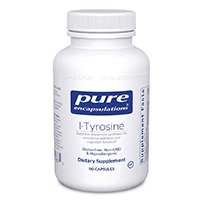
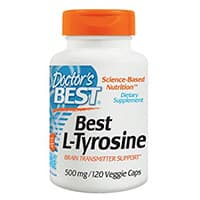
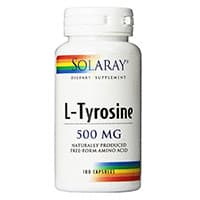
Use the ranked list as a quality-first filter for brands that disclose serving sizes clearly—not as proof a molecule will solve your week. Tyrosine products vary in dose per capsule, extra ingredients, and whether the label pushes morning use, pre-work use, or “as needed” scheduling. Decide whether you want a minimalist amino acid (easier to interpret) or a stacked formula (fewer capsules, more variables).
Readers often compare tyrosine with other cognitive-adjacent supplements. If you are cross-shopping non-stimulant botanicals, see our rhodiola supplements guide. If you are evaluating mitochondrial or acetylated amino routes, acetyl-L-carnitine supplements cover a different ingredient with different labeling norms. For choline-focused nootropic stacks, alpha-GPC supplements are a frequent parallel category—similar buyer intent, different mechanism stories.
What to look for
L-tyrosine vs. N-acetyl-L-tyrosine (NALT)
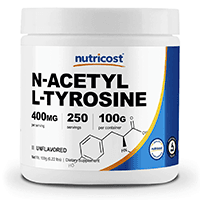
Most products use free-form L-tyrosine; some use N-acetyl-L-tyrosine. They are not identical in how people discuss absorption and conversion—personal tolerance and product transparency matter more than marketing acronyms. Pick a format, keep servings stable, and judge based on your own response rather than forum lore.
Dose transparency and capsule math
Tyrosine is commonly taken in amounts that translate to multiple capsules if a brand uses small per-capsule doses. Calculate cost per gram of tyrosine and your true daily capsule burden before you fall in love with a cheap bottle that requires six pills per serving.
Timing: empty stomach vs. food
Some users prefer taking amino acids away from large protein meals to reduce competition among amino acids; others tolerate food fine. If you notice inconsistent effects, standardize timing for two weeks before declaring a product “doesn’t work.”
Stacking with caffeine and other stimulants
Tyrosine frequently shows up in “energy” and pre-workout culture. If you already run high on stimulants, adding more inputs can mean jitteriness, elevated heart rate, or disrupted sleep—regardless of what the label implies. Treat subjective side effects as data.
Who should be especially cautious
- Thyroid disease and thyroid hormones: tyrosine is biochemically related to thyroid hormone synthesis; medical guidance matters—do not self-adjust prescriptions around a new supplement.
- MAO inhibitors and certain psychiatric medications: interaction risk is a prescriber/pharmacist conversation, not a Reddit thread.
- Hypertension and heart rhythm issues: if you feel palpitations or unwell, stop and seek care.
- Pregnancy and breastfeeding: do not assume safety without professional input.
Mistakes to avoid
- Confusing tyrosine with L-DOPA routes. Different supplements exist for different chemistry; do not treat distinct products as interchangeable dopamine hacks.
- Escalating dose chasing focus. More amino acid does not always mean more clarity—sometimes it means headache or GI distress.
- Rotating five focus supplements daily. If nothing is controlled, nothing is learnable.
- Ignoring sleep debt. Tyrosine cannot substitute for recovery fundamentals.
FAQs
What is L-tyrosine?
L-tyrosine is an amino acid found in protein-containing foods and sold as a dietary supplement, commonly in capsule or powder form. Supplements are regulated as foods, not as approved drugs for treating mood or attention disorders.
Is tyrosine the same as phenylalanine?
No. They are related metabolically, but they are different compounds with different supplement facts. Buy what the label states and avoid mixing names casually when you track what you take.
When should I take it?
Follow the product label unless your clinician advises otherwise. Many people experiment with morning or early-day timing to reduce sleep interference; individual responses vary widely.
What side effects are commonly discussed?
Headache, nausea, and anxiety or restlessness appear in anecdotal reports for some users—this is not a complete list. Stop and seek medical advice for severe symptoms or persistent cardiovascular sensations.
Can I use tyrosine before workouts?
Some athletes trial tyrosine around demanding sessions; responses differ by caffeine habits, sleep, and training load. Anti-doping considerations depend on your sport—this guide cannot certify eligibility.
How long should I evaluate a product?
Give a transparent, stable serving a couple of weeks while holding other variables as constant as practical—then reassess. One chaotic week of travel and sleep disruption will swamp subtle effects.
How we shortlist products
Our rankings emphasize label clarity, fair value for disclosed amino-acid content, sensible capsule design, and fit for typical buyer needs—whether you want pure powder economics or a clean capsule routine. Rankings are editorial guidance, not medical advice. For the full framework, read the methodology page.
Bottom line
L-tyrosine can be a rational category to compare if you want an amino-acid option often discussed alongside stress and alertness—but biochemistry is not destiny, and interactions matter. Prioritize transparent dosing, avoid reckless stacking with stimulants, and involve clinicians when thyroid or psychiatric medications are in play.
Use the shortlist to identify credible candidates, then choose based on grams per dollar, capsule burden, and whether you truly want tyrosine alone or a multi-ingredient formula.