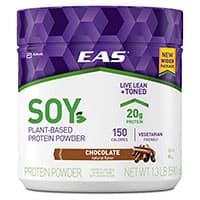
What soy protein powder is (isolate versus concentrate—and what “complete protein” actually buys you)
Soy protein powder is typically made from soy protein isolate or concentrate, offering a plant protein option with strong essential amino acid content and a cost-per-gram profile that often beats boutique blends. It is a legitimate tool for people avoiding dairy, for vegans building structured macros, and for anyone who wants a predictable powder—assuming you tolerate soy and are not avoiding it for medical, allergy, or personal reasons.
This guide is educational, not medical advice. If you have soy allergy, thyroid disease on levothyroxine where spacing and consistency matter, breast cancer history where your oncology team prefers specific dietary guidance, or chronic kidney disease with protein limits, soy protein decisions belong in clinician conversations—not in comment-section absolutes.
How to use this guide
The shortlist favors transparent protein grams per scoop, honest isolate versus concentrate labeling, credible contaminant testing for high-dose daily powders, and flavors you can repeat without abandoning your macro plan. The body below helps you compare soy to other plant bases, read GMO and organic claims without mysticism, and avoid turning soy into either a miracle superfood or a cartoon villain.
If you are comparing other common vegan bases for blending and amino strategy, read our pea protein powders page—pea and soy are the two workhorses people rotate between for cost, texture, and digestibility. If you are building multi-source vegan blends at home, rice protein powders is the frequent partner ingredient in “complete blend” culture—useful context for why many tubs are not single-source purity projects. If you want a grittier fiber-forward plant powder for different culinary goals, hemp protein powders is a useful contrast category for macro texture and fat-fiber tradeoffs versus refined soy isolates.
What to look for on a soy protein label
Isolate versus concentrate: protein density and digestibility
Isolates are usually higher protein by weight; concentrates carry more residual carbohydrate and fat flavor notes. Pick based on macros and taste, not based on which word sounds more “hardcore.”
GMO, organic, and identity-preserved sourcing claims
These claims matter to some shoppers for ethics and traceability; they are not automatic proof of superior amino acids. Match your values to your budget without pretending non-GMO changes leucine chemistry.
Isoflavones: fear, reality, and dose context
Soy contains isoflavones; typical protein powder intakes do not recreate supplement-trial megadoses from scary headlines. Still, personal medical history can make soy a nuanced topic—respect your clinician’s frame more than influencer warfare.
Thyroid medication spacing
Soy can interfere with levothyroxine absorption if taken too close together—this is a practical timing issue, not a moral verdict on soy.
Allergens and cross-contact
Soy is a major allergen; shared facilities with dairy, nuts, or gluten matter for sensitive people.
Heavy metals and powder quality
High daily scoop volumes deserve third-party testing language, not only “plant-based” branding.
Who soy protein may be appropriate for (and who should avoid it)
Soy protein fits many vegan lifters, dairy-free eaters, and budget-conscious high-protein diets. Avoid it with diagnosed soy allergy, and treat controversial medical histories as individualized—not something a tub label should adjudicate.
Evidence expectations: hormones, muscle, and internet politics
Muscle outcomes still track total protein, training, sleep, and calories; soy can support those totals like other quality protein sources for many people. Hormone fear-mongering is usually overstated at normal food and powder intakes, while medical exceptions still exist—adult nuance beats tribal slogans.
Mistakes people make with soy protein
- Assuming plant protein means automatic leanness while calories overshoot.
- Buying isolate then hating the texture without trying blends or flavors.
- Ignoring thyroid timing because “it’s natural.”
- Replacing whole-food diversity with one powder identity.
- Ignoring heavy metal testing culture for daily high-dose powders.
Compare two soy protein labels in 60 seconds
- Step 1: protein g per serving and calories match your goal?
- Step 2: isolate versus concentrate stated?
- Step 3: added sugars or creamers smuggled in?
- Step 4: third-party contaminant testing language?
- Step 5: allergen panel matches your needs?
What to monitor in the first 1–2 weeks
Track bloating, gas, stool changes, skin reactions if soy-sensitive, and training recovery markers you already trust. If you take thyroid hormone, notice whether consistency changes when powder timing changes—pharmacist input beats guessing.
FAQs
Is soy protein bad for men?
Normal dietary and typical powder intakes have not been shown to be the cartoon estrogen disaster internet culture claims; individual tolerance and medical context still matter.
Does soy protein cause gynecomastia?
That fear is not supported at realistic intakes for most people; if breast tissue changes are new, medical evaluation matters—do not blame soy by default.
Soy protein versus whey for muscle?
Both can work when total protein and training are adequate; taste, cost, ethics, and digestion decide for most buyers.
Is soy protein complete?
Soy is often treated as a complete protein source in practical nutrition planning—still not a replacement for total daily protein grams.
How long should I trial one tub?
Flavor compliance is the bottleneck—if you hate it by scoop five, sunk-cost worship will not fix adherence.
How we shortlist products on this page
We prioritize macro honesty, isolate versus concentrate clarity, contaminant testing credibility, and brands that do not sell soy as either magic or poison. For how we evaluate products across the site, read our methodology.
Bottom line
Soy protein powder is a strong, often cost-effective plant tool when tolerance and medical context fit. The best purchase is transparently labeled, third-party credible, and aligned with your real protein math—not with ideology from either extreme of the soy culture war.
If new GI symptoms or systemic allergic symptoms appear, stop and seek medical guidance—powder identity is not worth risking anaphylaxis.