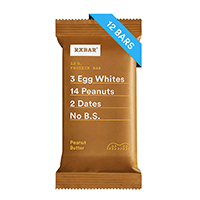
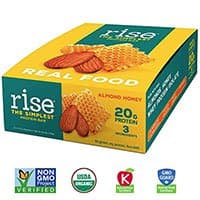
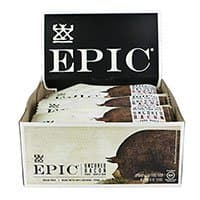
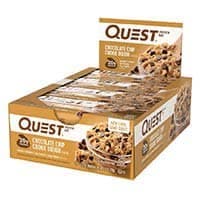
What protein bars are (and why the word “protein” on the front is not a macro guarantee)
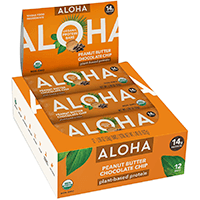
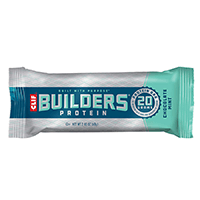
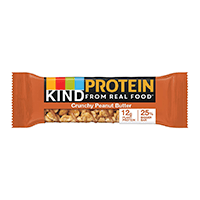
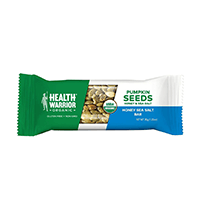
Protein bars are shelf-stable snacks built from protein concentrates or isolates (often dairy, soy, or blends), sweeteners, fats (nuts, chocolate coatings, palm kernel oil), binders, and fibers that help texture and “net carb” math. The category spans honest high-protein snacks and candy bars wearing a gym sticker—same aisle, different truth.
This guide is educational, not medical advice. If you have IBS triggered by polyols, severe nut allergy, diabetes where carb counting must be precise, or chronic kidney disease with protein limits, read labels like a medical device: sugar alcohols, “fiber” sources, and actual grams of protein matter more than brand storytelling.
How to use this guide
The shortlist rewards transparent macros per bar (not per half-bar trick), protein sources named clearly (including whether collagen is padding protein numbers), honest sugar and sugar alcohol disclosure, and flavors you will actually eat when hungry—because the best bar is the one you choose consistently, not the one with the most aggressive claims.
If your goal is high-quality complete protein without bar engineering, compare macros against casein protein powders—often cheaper per gram of protein when you control the blender—useful context before you pay dessert pricing for a thin protein veneer. If you lift and want a staple supplement beyond snacks, creatine supplements is the evidence-dense category many people should prioritize before they optimize bar coatings. If you are evaluating amino-heavy marketing in fitness snacks, BCAA supplements helps you judge when added aminos are meaningful versus label decoration.
What to look for on a protein bar label
Protein grams versus protein quality
Collagen can increase “protein” on the label while contributing less to muscle-relevant amino acid patterns than whey/casein/soy/egg sources—fine if you want collagen for skin goals, misleading if you think you bought a muscle bar.
Sugar, syrups, and “low sugar” replacements
Maltitol and friends can reduce sugar grams while creating GI chaos for sensitive people. “Keto” is not a synonym for “will not bloat you.”
Fiber sources: chicory root, inulin, isomalto-oligosaccharides
Some fibers improve texture and marketing math; they can also produce gas and urgency at high intakes—especially if you eat multiple bars while traveling.
Fats and coatings: calories hide in chocolate
A coated bar can be delicious and still blow your calorie budget while feeling “healthy.”
Allergens and cross-contact
Nuts, dairy, soy, and gluten vary by brand; “protein” does not imply allergy safety.
Who protein bars may be appropriate for (and when they are a poor tool)
Often a reasonable fit when
- You need portable protein between meetings, flights, or long shifts.
- You read the panel and the macros match your goal (cut, maintain, or gain).
- Your stomach tolerates the sweetener and fiber system of that specific bar.
Often a poor fit when
- You are trying to fix a protein deficiency primarily through expensive candy-shaped snacks.
- You have polyol-sensitive IBS and choose “low sugar” bars blindly.
- You need precise carb counting but “net carb” math is fuzzy in practice.
Evidence expectations: convenience versus outcomes
Protein intake supports satiety and recovery when total daily protein is adequate, but the bar format does not create special physiology—only compliance and calories change. A grounded stance is: buy bars for portability, not because they outperform meals you would otherwise eat cleanly.
Compare two protein bars in 60 seconds
- Step 1: protein g per full bar stated?
- Step 2: primary protein sources named, not hidden?
- Step 3: calories and fat match your goal?
- Step 4: sugar alcohols listed and tolerated by you?
- Step 5: third-party testing if you compete or distrust supply chains?
Common mistakes that waste money
- Buying “30 g protein” that is mostly collagen plus crunch marketing.
- Eating three bars and wondering why GI distress arrives mid-meeting.
- Confusing protein with low calorie—bars can be dense.
- Stocking flavors you hate and then “forgetting” to eat protein.
- Replacing vegetables and whole meals with bars indefinitely.
What to monitor in the first week of a new bar
Track bloating, gas, loose stools, headaches from sweetener systems, and whether hunger returns quickly (sometimes ultra-low sugar bars fail satiety tests). If a bar is a GI grenade for you, the brand is not “wrong”—your tolerance is the variable.
FAQs
Are protein bars good for weight loss?
They can help control hunger if calories fit your plan; they can also stall fat loss if they add stealth calories.
Are protein bars meal replacements?
Some are formulated that way; many are snacks—read calories and micronutrients instead of front-label fantasy.
Why do some protein bars cause gas?
Fiber blends and sugar alcohols are common culprits; ingredient order and dose matter.
Whey versus plant protein bars?
Both can work; digestibility and amino completeness differ—choose based on tolerance and preference.
How long should I trial one brand?
A few real-life days (travel, work stress, training days) beat one perfect bite at home—compliance is the test.
How we shortlist products on this page
We prioritize protein transparency (including collagen honesty), macro realism, sweetener and fiber tolerance signals, allergen clarity, and brands that do not sell candy as virtue. For how we evaluate products across the site, read our methodology.
Bottom line
The best protein bar is the one with macros you understand, ingredients your stomach agrees with, and a price you can sustain. Everything else is packaging psychology.
If your diet already hits protein targets from food, bars are optional convenience—not a missing anabolic key.