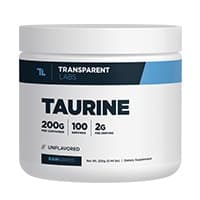
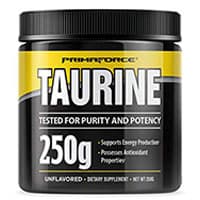
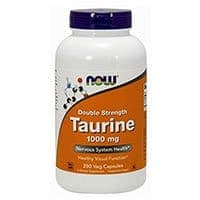
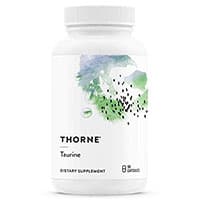
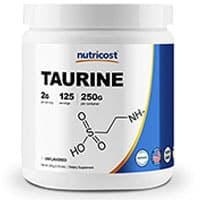
What taurine supplements are (an amino sulfonic acid, not a “protein builder” in the whey sense)
Taurine is an amino sulfonic acid found throughout the body—especially in excitable tissues—and it shows up in energy drinks, pre-workout stacks, and standalone capsules marketed for exercise, focus, heart health language, and eye health language. Retail taurine is not the same thing as a clinician-managed protocol for serious cardiac disease; when you see impressive heart claims, they often lean on research contexts that do not translate cleanly into “buy a bulk bag and self-titrate.”
Taurine is generally well tolerated for many adults at common supplement doses, but “generally tolerated” is not a license to ignore medical reality. This guide is educational, not medical advice. If you have heart failure, arrhythmia, kidney disease, seizure disorders, bipolar disorder, or you take lithium or other mood-stabilizing drugs where supplement stacks matter, discuss taurine with a clinician before treating it like a harmless energy-drink molecule in a capsule.
How to use this guide
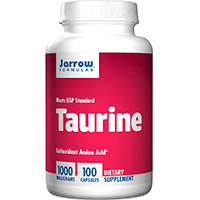
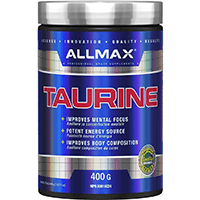
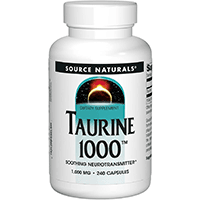
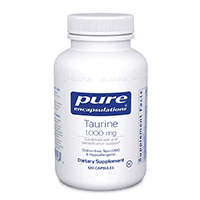
The shortlist rewards clean single-ingredient labeling (or honest blends with disclosed milligrams), credible manufacturing and contaminant testing language, and brands that do not smuggle stimulant stacks behind “focus” adjectives. The body below helps you separate gym-culture dosing from medical claims, match taurine to realistic goals, and avoid duplicating it across every flavored powder you already drink.
If your interest in taurine is partly about calm focus adjacent to caffeine culture, read our L-theanine supplements page as a contrast category: a different mechanism story people often pair subjectively with caffeine, with its own tolerance and medication conversations. If your training stack already centers evidence-heavy staples, keep creatine supplements in the correct priority lane—taurine is optional polish for many lifters, not a replacement for basics. If you are mineral-curious because excitable tissue and cramps live in the same mental shopping cart, magnesium supplements is the parallel mineral category where form choice and GI tolerance dominate—different biochemistry, same discipline about totals across products.
What to look for on a taurine label
Milligrams per capsule and true daily grams
Common retail doses are often in the 500–2,000 mg neighborhood per serving depending on product, while internet hero doses may not match what you can tolerate or what your clinician would endorse. Compute daily grams from all sources: standalone caps, pre-workout, energy drinks, and “nootropic” blends.
Powder versus capsules: precision and boredom
Powder is cheap per gram but easy to mis-scoop; capsules cost more per gram but improve consistency. Pick the format you will actually use correctly.
Blends and proprietary “focus matrices”
If taurine is line seven inside a proprietary blend, you cannot know your dose—hard stop for serious buyers.
Heart and eye marketing: translate claims into evidence humility
Taurine is biologically plausible in many roles; retail pages often leap from plausibility to certainty. Treat cardiovascular promises like a medical conversation, not a checkout decision.
Quality signals
Single-ingredient products should still have sane manufacturing credibility—especially powders where contaminants and labeling drift happen in commodity markets.
Who taurine may be appropriate for (and who should screen carefully)
Some adults use taurine as a short personal experiment for subjective energy, exercise tolerance, or stack tolerance next to caffeine. Use extra caution with pregnancy and breastfeeding (limited high-quality public guidance for megadosing), kidney impairment (clearance questions), and any history of electrolyte disorders or arrhythmia symptoms when stimulants are also in play.
Evidence expectations: exercise, cognition, and “energy drink science”
Human trials exist across exercise and cardiovascular research traditions, but effect sizes and contexts vary, and energy-drink studies confound taurine with caffeine and sugar. A grounded stance is: trial taurine if you have a defined question (for example sleep disruption from late caffeine versus morning training focus), measure outcomes honestly, and stop if side effects or anxiety edge appears.
Mistakes people make with taurine
- Stacking taurine across drinks, pre-workout, and capsules without totaling grams.
- Buying heart disease confidence from a capsule without cardiology involvement.
- Replacing prescribed heart failure therapy with supplement optimism.
- Assuming “amino acid” means protein-sparing magic for muscle gain.
- Ignoring palpitations because the label said “calming.”
Compare two taurine products in 60 seconds
- Step 1: taurine mg per serving stated plainly?
- Step 2: servings/day matches your intended grams?
- Step 3: hidden caffeine or stimulants in blends?
- Step 4: powder scoop variance addressed (scale habit)?
- Step 5: credible testing/manufacturing language?
What to monitor in the first 1–3 weeks
Track headache, nausea, dizziness, sleep latency, and resting heart rate if you already measure it. If you combine taurine with high caffeine intake, separate variables one at a time—otherwise you will blame the wrong molecule when jitters were the stack.
FAQs
How much taurine should I take?
There is no universal optimal dose for every goal; common supplement ranges exist, but personal tolerance, caffeine co-use, kidney function, and medical context matter. If a clinician is managing a specific condition, their dosing framework wins over retail defaults.
Is taurine safe with caffeine?
Many people combine them because energy-drink culture normalized the pair; sensitive people still get insomnia, palpitations, or anxiety. Treat stacking as an experiment with an off-switch, not a personality trait.
Does taurine lower blood pressure?
Mechanistic discussions exist; blood pressure changes are not guaranteed supplements outcomes. If you take antihypertensives or feel dizzy on standing, monitor symptoms and involve clinicians rather than chasing deeper “relaxation.”
Can taurine help heart failure?
That is a cardiology treatment domain. Some research traditions investigated taurine in specific contexts, but self-treating heart failure with capsules is dangerous—fluid retention, arrhythmia, and medication interactions deserve medical systems, not tubs.
Is taurine the same as L-carnitine?
No—different molecules, different marketing lanes, sometimes stacked together anyway. Read each label on its own merits.
How long should I trial one product?
If tolerance is good, a few weeks of disciplined tracking beats months of vibes—change one variable at a time so you learn something true about your body.
How we shortlist products on this page
We prioritize dose transparency, conservative medical framing for cardiac and psychiatric medication contexts, manufacturing credibility, and brands that do not sell energy-drink mythology as clinical certainty. For how we evaluate products across the site, read our methodology.
Bottom line
Taurine is a real endogenous molecule with a long research history and a noisy retail shelf. The best purchase is usually boring: clean milligrams, honest labeling, no mystery blends, and a user who measures outcomes instead of collecting powders.
If chest pain, fainting, or unexplained shortness of breath appears, emergency care beats another capsule—supplements do not triage emergencies.