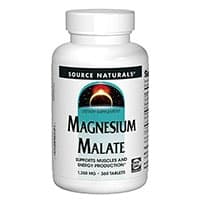
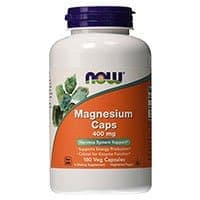
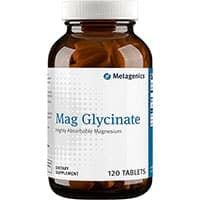
What magnesium supplements are (elemental magnesium, salt forms, and why “400 mg” on the front can still mislead)
Magnesium is an essential mineral involved in muscle and nerve function, electrolyte balance, bone health, and hundreds of enzyme reactions. Supplements deliver magnesium bound to a carrier—commonly oxide, citrate, glycinate (bisglycinate), malate, threonate, chloride—and the number that matters for shopping math is usually elemental magnesium per serving, not the total weight of the magnesium salt on the label.
This guide is educational, not medical advice. If you have chronic kidney disease, heart block or symptomatic bradycardia without cardiology input, take loop diuretics or other electrolyte-sensitive regimens, or you experience profound weakness, confusion, or very low blood pressure after starting magnesium, seek medical guidance—minerals are not “gentle” in every body, especially when clearance is impaired.
How to use this guide
The shortlist favors clear elemental milligrams per serving, honest form disclosure (not “chelated premium matrix” without chemistry), credible manufacturing and heavy metal testing language, and brands that do not sell magnesium as a universal sedative guarantee. The body below helps you match form to goal—GI tolerance versus laxative effect versus bedtime ritual marketing—without pretending all magnesium types behave identically in your stomach.
If you are already building an electrolyte stack for training, sweating, or blood pressure conversations, read electrolyte supplements so you understand sodium-first realities and avoid turning magnesium into a substitute for coherent hydration strategy. If you take other mineral megadoses, calcium supplements is the parallel category where stacking totals and medication timing matter—calcium and magnesium can compete for absorption windows, and polypharmacy gets messy fast. If potassium is also in your powder or salt-substitute habits, potassium supplements is the high-stakes neighbor where kidney and RAAS-drug interactions make “stack everything” culture genuinely dangerous.
What to look for on a magnesium label
Elemental magnesium per serving
Convert salt to element, or buy brands that print elemental magnesium clearly. If you cannot compute it in 30 seconds, downgrade the brand.
Form selection: laxative effect versus “gentle” marketing
Magnesium citrate is famous for looser stools; oxide is often cheap and debated for absorption; glycinate is frequently marketed for relaxation with variable individual evidence for sleep. Pick based on tolerance and goal, not based on the prettiest adjective.
Timing: bedtime culture versus GI reality
Many people take magnesium at night; others get better tolerance with food. Consistency matters more than mystical hour-of-day physics for most goals.
Stacking across multis, powders, and laxatives
Magnesium hides in ZMA, “calm” powders, antacids, and osmotic constipation products—totals across the day still count.
Contaminants and heavy metals
Mineral powders and cheap salts deserve third-party testing language, not only rustic branding.
Who magnesium may be appropriate for (and who should screen carefully)
Many adults use magnesium for constipation support (form-dependent), muscle cramp complaints (often multifactorial), or subjective sleep help. Use extra caution with CKD, ileal disease or malabsorption contexts where magnesium handling changes, and any situation where you already feel dizzy or hypotensive—symptoms can worsen before they “calm.”
Evidence expectations: sleep, anxiety, and cramp folklore
Evidence varies by endpoint and form; retail certainty often exceeds trial certainty. A grounded stance is: trial magnesium for defined symptoms with a stop rule, not as a personality upgrade you escalate forever.
Mistakes people make with magnesium
- Buying oxide because it is cheap then declaring “magnesium doesn’t work” after GI roulette.
- Stacking five magnesium sources and wondering why diarrhea arrives.
- Replacing medical evaluation for cramps with tubs.
- Ignoring kidney context because influencers call it relaxing.
- Megadosing for sleep while ignoring caffeine timing and apnea.
Compare two magnesium products in 60 seconds
- Step 1: elemental mg per serving stated?
- Step 2: salt form named (citrate, glycinate, oxide, etc.)?
- Step 3: serving count matches monthly cost honestly?
- Step 4: third-party heavy metal testing language?
- Step 5: no proprietary blend hiding the dose?
What to monitor in the first 1–2 weeks
Track stool frequency, cramping, nausea, dizziness on standing, and sleep latency if that is your goal. If you develop severe diarrhea, confusion, or marked weakness, seek medical care—especially with kidney impairment or polypharmacy.
FAQs
Which magnesium form is best?
“Best” depends on goal and tolerance: citrate often loosens stool; glycinate is often marketed as gentler for some users; oxide is common and debated; threonate is marketed for cognitive endpoints with a different evidence and price profile. Your stomach and clinician context beat internet tribalism.
How much magnesium should I take?
Public intake references exist, but medical targets differ for deficiency correction, pregnancy, CKD, and drug interactions. If you are chasing a therapeutic goal beyond food, clinician input beats maximalist forum doses.
Can magnesium interact with medications?
Yes—absorption timing matters for some antibiotics and thyroid hormone replacement, and additive hypotension can matter with blood pressure drugs. Pharmacist review beats confident stacking.
Will magnesium help sleep?
Some people notice subjective improvement; others notice only GI effects. If apnea, alcohol, anxiety, or caffeine is the real driver, magnesium will not rewrite your night by itself.
Can magnesium cause low blood pressure?
It can contribute to dizziness in susceptible people, especially with dehydration or interacting drugs—symptoms matter more than category stereotypes.
How long should I trial one product?
If tolerance is acceptable, a few weeks of honest symptom tracking beats months of magical thinking—change one variable at a time.
How we shortlist products on this page
We prioritize elemental transparency, form honesty, contaminant testing credibility, and conservative framing for kidney disease and polypharmacy. For how we evaluate products across the site, read our methodology.
Bottom line
Magnesium is a high-utility mineral when the form matches your gut, the dose matches your goal, and your kidneys and medication list permit it. The best bottle is clearly labeled, third-party tested when it matters, and paired with realistic expectations—relaxation marketing is not a substitute for physiology.
If cramps, palpitations, or weakness are new and severe, medical evaluation beats another salt form rotation.