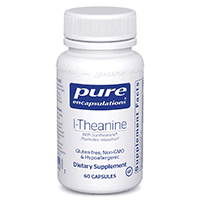
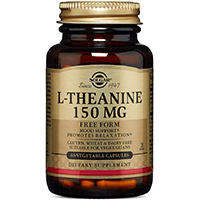
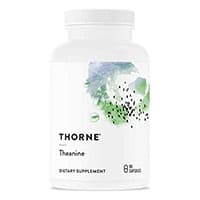
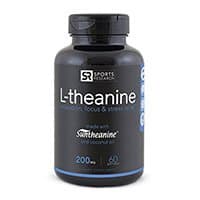
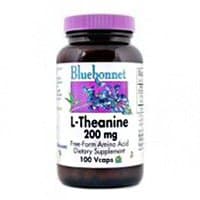
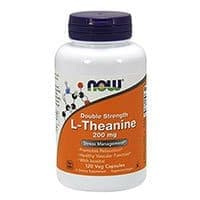
What theanine supplements are (and why they are not “green tea in a capsule, automatically”)
L-Theanine is an amino acid found naturally in tea—especially green tea—and sold as capsules, powders, and chewables for calm focus, jitter reduction next to caffeine, and mild wind-down support. Most supplements use synthesized or purified L-theanine rather than whole-leaf tea powder, which matters: you are buying a dose-controlled amino acid, not inheriting all the polyphenol and caffeine complexity of brewed tea unless the product explicitly includes it.
Evidence for subjective relaxation without sedation is more supportive than many supplement categories, but individual response still varies. The practical shopping job is still boring: milligrams per serving, clean formulas, realistic stacking discipline (especially with caffeine), and no mystery blends.
This guide is educational, not medical advice. If you take blood pressure medications, sedatives, psychiatric medications, or are pregnant or breastfeeding, discuss new supplements with a clinician—especially if you are combining multiple calming or stimulating products.
How to use this guide
The shortlist helps you filter for transparent L-theanine dosing, credible manufacturing, and brands that do not hide tiny theanine doses inside giant “nootropic” matrices. The body below helps you match theanine to your goal (daytime focus smoothing versus evening downshift) and avoid the classic mistake: changing caffeine, sleep, alcohol, and three supplements simultaneously, then blaming one ingredient.
If your main reason for theanine is caffeine side-effect management, read stacking context alongside caffeine pills—where dose precision and total daily stimulant load are usually the real bottleneck. If you want a different non-caffeine calm lane to compare, GABA is a separate category with different mechanism debates and sedation-stacking cautions. If you are cross-shopping tea-derived polyphenol products rather than pure amino acid dosing, green tea extract is a useful contrast for EGCG and extract-strength label pitfalls.
What to look for in an L-theanine supplement
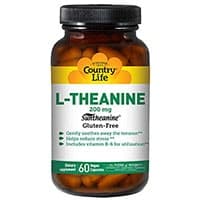
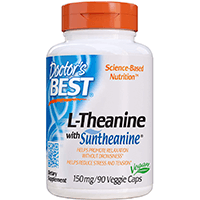
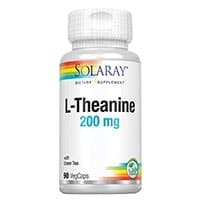
L-theanine milligrams per serving (not “tea complex” theater)
The label should state mg of L-theanine per capsule/scoop and how many servings per day the brand expects. If theanine is buried in a proprietary blend, you cannot compare products fairly.
Branded theanine versus generic theanine
Some products use branded L-theanine processes. That can signal batch consistency, but brand is not a substitute for verifying milligrams and tolerability for you personally.
Standalone theanine versus focus stacks
Stacks with caffeine, tyrosine, choline sources, and adaptogens are common. They can be convenient, but they make jitter attribution harder and increase stimulant load mistakes.
Timing: morning focus versus evening wind-down
Many users take theanine earlier for “smooth focus” and avoid late-night dosing if sleep gets too floaty—individuality matters more than internet dogma.
Manufacturing and contaminant seriousness
Even simple amino acid products deserve credible manufacturing and testing language—not decorative badges.
Who theanine is often a fit for (and who should be cautious)
Often a reasonable fit when
- You want a structured trial for subjective calm focus with stable caffeine habits.
- You can track headache, blood pressure symptoms if relevant, and sleep changes.
- You avoid stacking multiple sedating agents without medical awareness.
Use extra caution when
- You take antihypertensives and notice dizziness on standing after new supplements.
- You take sedatives or sleep prescriptions and stack additional calming products.
- You need to be highly alert for safety-critical work and are experimenting with new psychoactive stacks.
Compare two theanine labels in 60 seconds
- Step 1: mg L-theanine per serving stated plainly?
- Step 2: caffeine or other stimulants included (if any)?
- Step 3: servings/day and monthly cost at your dose?
- Step 4: proprietary blends hiding theanine dose?
- Step 5: powder taste/solubility if you hate pills?
Common mistakes that waste money
- Buying stacks without knowing the theanine fraction.
- Raising caffeine because theanine “cancels” side effects—sometimes true, sometimes a recipe for insomnia.
- Expecting benzodiazepine-level sedation from an amino acid.
- Ignoring headaches instead of adjusting dose or timing.
- Switching brands every few days and learning nothing useful.
What to monitor in the first 2–4 weeks
If your clinician agrees, track focus stability, anxiety reactivity, sleep latency, morning alertness, headache, and GI tolerance. Stop for severe allergic symptoms, fainting, chest pain, or confusion—and seek urgent care when appropriate.
FAQs
Does L-theanine work?
Many users notice subjective smoothing of caffeine edges or mild relaxation; research is more supportive than many herb categories but not a guarantee for every person.
Can I take L-theanine with coffee?
Many people do; it is one of the most common stacks. Keep total caffeine stable while you evaluate theanine so you are not changing two variables at once.
Will L-theanine make me sleepy?
Some users feel calmer; others feel little change. Late-night dosing can affect some sleepers; timing experiments are rational.
Is L-theanine the same as melatonin?
No. Melatonin is a hormone-timing tool for sleep phase issues; theanine is an amino acid with different expectations and monitoring.
Can L-theanine interact with medications?
Polypharmacy deserves pharmacist review—especially with sedatives and blood pressure medications.
How long should I trial one product?
If medically appropriate, use one transparent product for 2–4 weeks with stable caffeine and sleep habits before judging.
How we shortlist products on this page
We prioritize transparent L-theanine dosing, manufacturing credibility, conservative stacking guidance, and claims that stay inside plausible evidence boundaries. For how we evaluate products across the site, read our methodology.
Bottom line
L-theanine can be a practical option for adults seeking mild calm focus or caffeine-edge smoothing—when labels are honest about milligrams and you keep stacking discipline sane. The best purchases are usually simple L-theanine products from quality-forward brands—not mystery nootropic dust.
If anxiety, panic, or insomnia are severe or worsening, prioritize clinical care first—supplements are not the correct front-line treatment.