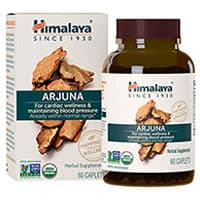
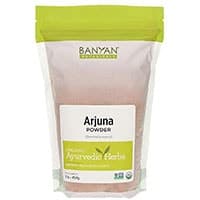
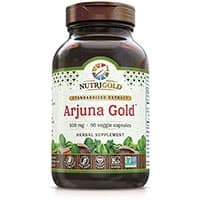
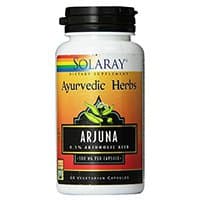
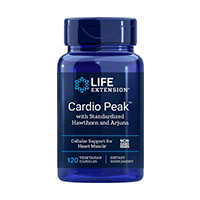
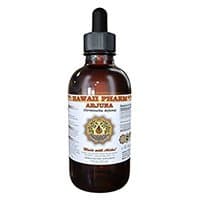
Who this arjuna guide is for
If you are considering arjuna supplements for heart-health-aware wellness routines, circulation support, or broader antioxidant-focused stack planning, you have probably seen many products with similar labels and very different quality signals. The challenge is not finding arjuna – it is finding a product with clear sourcing, sensible serving design, and consistent day-to-day usability.
This page is for adults comparing arjuna supplements in a practical way. The ranked list above is your shortlist; this article helps you evaluate form, label transparency, dose logic, and real monthly value before you buy.
If your bigger goal includes vascular and antioxidant stack planning, it helps to compare adjacent categories like resveratrol supplements and quercetin supplements so your routine stays focused instead of random.
How to use this page
Use this guide in two steps. First, choose 2-3 candidates from the ranked products above. Second, compare those finalists using the checks below: ingredient identity, extract/standardization detail, serving burden, and cost per effective day.
The ranking block handles product order. This body is your decision filter so you can avoid paying premium prices for vague labels or overbuilt formulas that do not match your goal.
If your plan also includes lipid-support or omega-focused nutrition, review your stack overlap with options like fish oil supplements before layering in multiple products with unclear role separation.
What to look for in an arjuna supplement
1) Ingredient identity and source clarity
Look for labels that clearly state the botanical identity (Terminalia arjuna), plant part used, and amount per serving. When brands are vague on these basics, comparison becomes guesswork and quality confidence drops.
Clear sourcing and ingredient identity are foundational trust signals for botanical products.
2) Extract detail and standardization transparency
Some products provide extract ratios or standardization markers; others only list generic herbal amounts. More detail generally gives you better comparison power, especially when products are priced similarly.
If extract details are missing and claims are broad, treat that as a caution signal.
3) Serving design and adherence practicality
A strong product on paper still fails if daily use is inconvenient. Check how many capsules or how much powder is required at intended use. The best choice is the one you can take consistently for long enough to evaluate.
4) Added ingredients: synergy or noise?
Some arjuna formulas include extra botanicals or antioxidants. These can be useful in specific designs, but only when each ingredient is transparently dosed and relevant to your goal. Otherwise, extras can inflate cost without improving clarity.
If you want cleaner antioxidant comparison, cross-check label quality in categories like resveratrol and quercetin where formulation detail is often easier to benchmark.
5) Cost per realistic month
Compare true monthly cost at your real serving size, not bottle price alone. A low upfront price can become poor value if serving count is thin or effective use requires more than one serving per day.
Common mistakes to avoid
- Buying from front-label promises only. Always verify botanical identity and serving detail in the supplement facts panel.
- Ignoring extract transparency. Without standardization or ratio detail, quality comparison is harder.
- Stacking too many “heart” products at once. Overlap increases cost and confusion without clear decision logic.
- Changing multiple variables together. Keep your routine stable enough to evaluate one product accurately.
- Comparing price without dose context. Cost per bottle is less useful than cost per effective day.
FAQs
What is arjuna typically used for in supplements?
Arjuna is commonly positioned in cardiovascular- and wellness-oriented botanical routines. Product usefulness depends heavily on label transparency, serving consistency, and how it fits your broader plan.
How do I compare arjuna products quickly?
Use a simple checklist: botanical identity, extract detail, amount per serving, and monthly cost at realistic use. If any one of those is unclear, move to a more transparent option.
Should I choose a single-ingredient arjuna product or a blend?
Single-ingredient formulas are often easier to evaluate and adjust. Blends can be convenient, but only when each active is clearly dosed and relevant to your intent.
Can I combine arjuna with other antioxidant supplements?
Many people do, but combination planning should be intentional. If you already use categories like quercetin or resveratrol, check for unnecessary overlap before adding more products.
How long should I trial one arjuna product before switching?
Give one product enough consistent use to assess routine fit and tolerability. Rapid switching often creates noise and makes it difficult to determine whether the formula is actually practical for you.
Is higher dose always better with botanicals?
Not necessarily. Better outcomes usually come from a transparent, well-structured formula used consistently, not from aggressive dosing strategies that are hard to maintain.
How we shortlist products
Products are compared using structured product data and editorial review criteria focused on transparency, formulation quality, practical usability, and value. The goal is to help you narrow options with less noise and better decision clarity.
For broader transparency on how rankings are presented across the site, see our methodology page.
Bottom line
The best arjuna supplement is the one with clear botanical identity, useful extract transparency, and a serving format you can follow consistently.
Prioritize label clarity over marketing language, keep your stack intentional, and choose sustainable routine fit over hype.