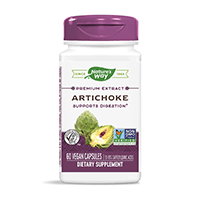
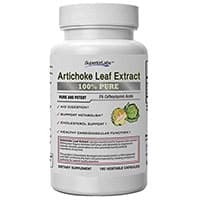
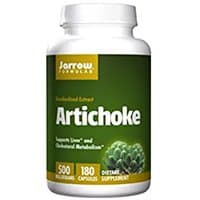
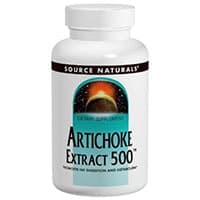
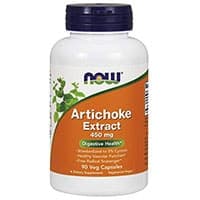
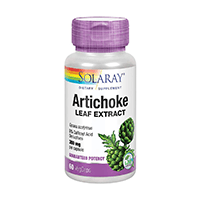
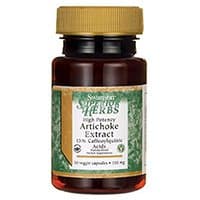
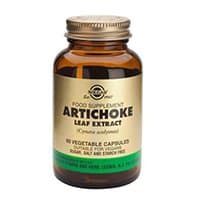
Why people shop artichoke extract supplements
Artichoke extract (usually from Cynara scolymus leaves) is a category people often find while searching for digestive comfort, bile-flow support, and cholesterol-adjacent wellness support. It is also one of those supplement categories where two products can look nearly identical up front but differ meaningfully in extract strength, standardization, and daily serving design. In practice, “best” does not mean the strongest marketing claim — it means the product gives you clear, useful label data you can compare and use consistently.
This guide is educational, not medical advice. If you have gallstones, bile duct obstruction, severe GERD, liver disease, or you take prescription medications for cholesterol, blood sugar, or blood pressure, discuss artichoke extract with a qualified clinician before adding it. Supplements can be helpful adjuncts for some people, but they should not replace diagnosis, labs, or prescribed treatment plans.
Below the shortlist, you’ll find practical buying criteria, common mistakes, and FAQs to help you choose a product that fits your goals and risk profile.
How to use this guide
Use the ranked list as a quality-first filter, not as a promise of a clinical outcome. Artichoke products vary in concentration, extraction method, and whether they are sold alone or in “liver and digestion” blends with several other actives. If this is your first trial, a transparent single-ingredient formula is usually easier to assess than a multi-ingredient blend that changes several variables at once.
Shoppers in this lane often compare artichoke with other metabolic and digestive categories. If your focus is blood-sugar support with a very different primary active, review our berberine supplements guide. If your goals lean toward liver-health marketing and antioxidant support, see our milk thistle supplements guide. For fiber-first digestion support and bowel regularity routines, our psyllium supplements guide is a useful contrast. These categories overlap in shopper intent but are not interchangeable in mechanism, dose range, or side-effect profile.
What to look for in an artichoke extract supplement
Clear extract amount and serving math
Start with the supplement facts panel: how many milligrams of artichoke leaf extract per serving, and how many servings per day? If the product uses proprietary blends that hide active amounts, skip it. You cannot compare value, and you cannot reliably track response.
Standardization disclosure (when claimed)
Some products mention marker compounds such as cynarin or total caffeoylquinic acids. Standardization claims can be helpful if they are presented clearly and tied to a real dose. A percentage claim without practical serving context is less useful than it looks.
Single ingredient vs liver/digestive complexes
Many labels combine artichoke with dandelion, turmeric, milk thistle, enzymes, or bitters. Blends can be convenient, but they make troubleshooting harder if you experience discomfort or no benefit. For clean comparison and cleaner self-observation, start simple whenever possible.
Quality and contamination transparency
Look for reputable manufacturing disclosures and testing signals where available. Botanical categories benefit from brands that provide lot traceability and straightforward quality language rather than vague “premium purity” slogans.
Tolerance and routine fit
Even a well-formulated product fails if the schedule is impractical. Confirm whether the label suggests pre-meal or with-meal timing, and whether that fits your actual habits. Consistency is often the difference between a useful trial and random noise.
Mistakes to avoid
- Using supplements to self-manage persistent abdominal pain. New right-upper-quadrant pain, jaundice, severe nausea, or unexplained weight loss needs medical evaluation.
- Stacking multiple “liver detox” products immediately. If you change five ingredients at once, you lose the ability to identify what helped or caused side effects.
- Buying products without active-dose transparency. A long herbal panel is not a substitute for clear milligrams.
- Expecting rapid cholesterol transformation from one capsule. Lipid changes are multifactorial and should be tracked with clinician-guided labs, not guesswork.
- Ignoring dietary context. Digestive comfort, fiber intake, meal composition, alcohol intake, and sleep often influence outcomes more than any single extract.
FAQs
What is artichoke extract used for?
Most products are marketed for digestive and liver-support wellness goals, with some cholesterol-adjacent positioning. It is a dietary supplement category, not an approved treatment for liver disease or hyperlipidemia.
Is artichoke extract the same as eating artichokes?
No. Whole artichokes are foods with fiber and culinary context, while extracts are concentrated preparations from specific plant parts (usually leaves). They are related, but not functionally identical.
Can I take artichoke extract daily?
Some people do, but daily use should match your health status, medication profile, and tolerance. If you have gallbladder or biliary issues, daily use needs clinician input first.
What side effects are commonly discussed?
Users sometimes report GI symptoms like bloating, cramping, or loose stools, and occasionally reflux changes. If symptoms are severe or persistent, stop and seek medical advice.
Can I combine artichoke with berberine or milk thistle?
Possible, but stacking should be intentional and ideally clinician-reviewed when medications are involved. Combining multiple products can increase complexity and interaction uncertainty.
How long should I trial a product?
If your clinician agrees with a trial, keep your routine stable for several weeks and avoid changing multiple supplements simultaneously. This gives a cleaner read on fit and tolerability.
How we shortlist products
Our rankings prioritize transparent active dosing, practical serving design, manufacturing credibility, and value for disclosed extract content. We do not reward vague “detox” language without measurable label support. For full editorial criteria, see our methodology.
Bottom line
Artichoke extract can be a reasonable category for shoppers who want digestive- and liver-wellness support in supplement form, but quality and context matter more than hype. Choose products with clear extract amounts, keep your protocol simple, and treat persistent symptoms as medical signals.
If your goals include cholesterol or metabolic markers, use supplements only as adjuncts to clinician-guided plans, routine monitoring, and sustainable nutrition and lifestyle habits.