Who this psyllium guide is for
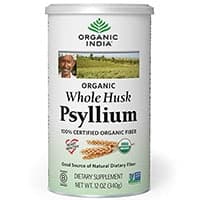
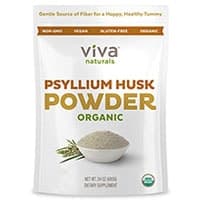
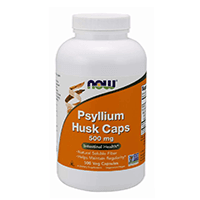
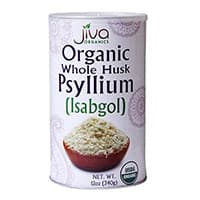
Psyllium husk is one of the most common soluble fiber ingredients in supplements—usually sold as powder, capsules, or sometimes tablets—because many people want a simple way to add fiber on top of what they already get from food. If you are on this page, you are probably trying to pick a product you will actually use: something with clear serving guidance, a texture you can tolerate, and a monthly cost that still makes sense after you do real “per day” math.
This guide is for adults comparing psyllium supplements in a practical, label-first way. The ranked products above are your shortlist; the sections below help you compare purity and additives, powder versus capsule tradeoffs, hydration habits, and how psyllium fits next to other gut-adjacent supplements you may already take.
Important: fiber supplements affect people differently. Some individuals feel great; others need to ramp slowly. Psyllium can also affect medication timing for certain drugs. If you take prescriptions, ask a pharmacist or clinician about separation windows. If you have trouble swallowing, esophageal narrowing, acute abdominal pain, nausea/vomiting, or other significant GI symptoms, seek medical advice rather than self-experimenting.
How to use this page (shortlist first, labels second)
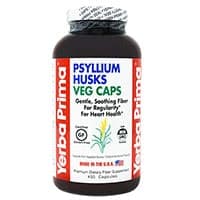
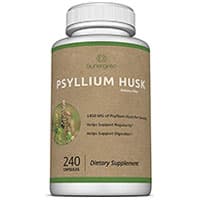
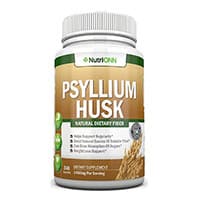
Use a simple workflow. First, choose 2-3 finalists from the ranked list above based on format (powder versus capsules), ingredient simplicity, and price. Second, compare those finalists using the checklist in the next section—especially grams of fiber per serving, number of servings per day, and whether the product expects you to mix with plenty of fluid.
The ranking block reflects our site’s product data and review approach; this article does not re-rank the list in prose. For transparency on how ranking information is presented across Top10Supps, see our methodology page.
Because psyllium is only one way people add fiber, it helps to situate it inside the broader fiber category. If you are unsure whether you want psyllium specifically or a wider fiber strategy, scan fiber supplements as a comparison lane—different products emphasize different fiber types, forms, and use cases.
What to look for in a psyllium supplement
1) Fiber per serving: the number that actually drives value
Start with dietary fiber grams per serving from the supplement facts panel—not the front label claims. Two products can look similar while delivering very different fiber per scoop or per capsule count. Once you know grams per serving, you can estimate how many days a container truly lasts at your intended intake.
Also sanity-check your total fiber picture: food first, supplements second. Psyllium works best as a structured add-on to a diet that already moves in the right direction, not as a substitute for vegetables, legumes, and whole grains if those are realistic for you.
2) Powder vs capsules: adherence beats theory
Powder is often the most cost-efficient per gram of fiber and can be easier to titrate gradually. Capsules can be more convenient for travel and busy days, but you may need more units to reach an equivalent fiber amount—so “convenience” is not automatically cheaper or simpler until you do the math.
Pick the format you will use consistently. A powder that tastes gritty to you will get abandoned. A capsule count that feels like a chore will get skipped. The best product is the one that matches your routine, not the one that looks optimal on paper.
3) Additives, flavors, sweeteners, and “clean label” tradeoffs
Some psyllium products are minimal: psyllium and little else. Others add flavor systems, sweeteners, colors, or extra ingredients to improve mixability and taste. None of this is inherently “bad,” but it is a decision point: are you buying fiber, or are you buying a flavored drink mix that happens to contain fiber?
If you are sensitive to certain sweeteners or additives, scan the full ingredient list carefully. If you want fewer variables while you test tolerance, a simpler formula is usually easier to interpret if something does not agree with you.
4) Hydration: the non-negotiable practical detail
Psyllium is famous for absorbing water, which is why label directions usually emphasize fluid intake. Think of hydration as part of the product protocol, not an optional lifestyle suggestion. If you struggle to drink enough fluids daily, address that first—otherwise fiber supplements can become uncomfortable fast.
If you are also optimizing hydration minerals as part of your routine—especially during training-heavy schedules—compare your overall plan thoughtfully. Electrolyte needs vary widely by person and context; use dedicated categories for those decisions rather than mixing goals randomly. For mineral supplementation norms and label comparison habits, magnesium supplements are a useful benchmark category because buyers often confront similar “do I need this, or am I stacking redundantly?” questions.
5) Microbiome context: fiber first, then targeted add-ons
Many shoppers combine fiber with probiotics. That can be a coherent stack, but it should be intentional: fiber supports the environment; probiotics introduce organisms or fractions depending on the product category. If you already take a probiotic, review whether you are doubling up on “gut health” products without a clear role for each.
If you want a separate lane for microbiome-targeted supplements, compare product transparency using probiotic supplements as its own buying decision—strain disclosure, CFU claims, storage guidance—rather than treating probiotics like interchangeable spices.
6) Medication timing and medical context (read this twice)
Fiber can interfere with absorption of some medications if taken too close together. This is not a scare tactic; it is a practical reason to involve a pharmacist when you are on daily prescriptions. Bring your supplement label and your medication list and ask for a simple timing rule you can follow consistently.
If you have a history of esophageal disorders, swallowing difficulties, or strictures, discuss bulk-forming fiber products with a clinician before use. If you experience chest pain, trouble swallowing, or vomiting after taking fiber, seek medical care.
7) Cost per month at realistic intake
Calculate monthly cost using:
- fiber grams you intend to use per day
- servings per container
- whether you need one or multiple servings daily
Sticker price is misleading when two tubs have different fiber per serving or different “scoops” that are not comparable without doing the math.
Common mistakes to avoid
- Ramping dose too fast. Slow ramps usually beat heroic first days.
- Under-hydrating. Treat fluids as part of the protocol.
- Ignoring medication separation guidance. Ask a pharmacist when unsure.
- Buying a huge tub you will not finish because texture is bad. Start smaller when possible.
- Expecting fiber to fix a diet that is fundamentally misaligned with your goals. Supplements support habits; they rarely replace them.
FAQs
Is psyllium better than other fiber types?
“Better” depends on tolerance, goal, and what fits your routine. Psyllium is popular because it is widely available and well understood in supplement form, but your best choice is the fiber strategy you can sustain—food-first, supplement-second.
Should I take psyllium in the morning or at night?
Use whatever timing supports consistency and matches label directions. The best schedule is the one you keep.
Can I take psyllium every day?
Many people do, but individual needs vary. If something feels wrong—pain, persistent bloating beyond a reasonable adjustment period, or new GI symptoms—stop and get guidance.
Can I mix psyllium with protein powder or other drinks?
Sometimes yes, sometimes it changes texture dramatically. Follow label guidance and your own tolerance. If mixing makes it unpleasant, you will not stay consistent.
Will psyllium help with weight management goals?
Fiber can support satiety for some people as part of a broader nutrition plan, but outcomes depend on total intake, training, sleep, stress, and medical context. Avoid turning fiber into a magic bullet narrative.
What if I hate the texture?
Try a different brand’s grind, a different format (capsules), a slower ramp, or a different mixing method. Texture problems are adherence problems.
How we shortlist products
Our shortlist is built from structured product data and editorial review criteria focused on practical usability, label clarity, and value. Rankings can change as products and availability change. For site-wide transparency on ranking presentation, the methodology page is the canonical reference.
Bottom line
The best psyllium supplement is usually the one with clear fiber per serving, a format you can tolerate daily, hydration habits that match the label, and a monthly cost that still makes sense after real serving math.
Start conservative, prioritize consistency, and involve professionals when medications or medical conditions are part of the picture.