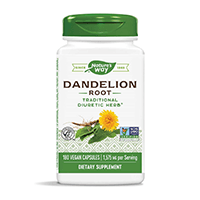
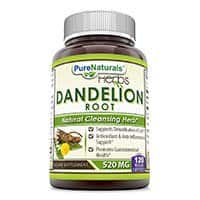
Why people shop dandelion root supplements
Dandelion root (Taraxacum officinale) is one of the most common “digestive and liver support” botanicals on supplement shelves. People usually buy it for one of three reasons: they want gentler digestive support, they are trying to reduce post-meal heaviness, or they are interested in traditional herbal routines for fluid balance and general wellness. It is also frequently marketed as a “detox” ingredient, which is where expectations can become unrealistic fast.
In practical use, dandelion root works best as a small, consistent support tool inside a routine that already includes hydration, reasonable food quality, and stable meal timing. It is not a rescue button for heavy alcohol intake, poor sleep, and chaotic diet patterns. If you treat it like a cure-all, you will likely be disappointed even with a decent product.
This guide is educational and not medical advice. If you have gallbladder disease, bile duct obstruction, kidney disease, significant edema, or take diuretics, blood pressure medication, lithium, or diabetes medication, discuss dandelion root with a qualified clinician before use. New severe abdominal pain, jaundice, persistent vomiting, black stools, or unexplained weight loss are medical red flags and need evaluation.
How to use this guide
Use the ranked products as a quality-and-fit filter, not as a diagnosis or treatment protocol. Start with one clear objective:
- Digestive comfort support for occasional post-meal heaviness
- Mild fluid-balance support in a hydration-aware routine
- General botanical wellness support without stimulant-heavy formulas
Then choose format intentionally. Capsules are easier for consistent daily dosing. Teas and tinctures can be useful for users who prefer traditional prep, but they can also be harder to dose consistently if your schedule is busy. The best product is usually the one you can follow predictably for at least a few weeks.
If you are comparing related digestive/liver-adjacent categories, see our artichoke extract supplements guide for bile-flow and post-meal support context, our milk thistle supplements guide for another liver-focused botanical lane, and our ginger supplements guide for a different digestive support profile with warming and nausea-adjacent use cases.
For complete cross-site scoring criteria, transparency standards, and ranking logic, see our methodology.
Who this category is for (and who should pause first)
Usually a better fit for
- Users with mild digestive discomfort who want a non-stimulant herbal adjunct.
- People who can keep hydration and meal timing consistent during a trial.
- Shoppers who prefer simple single-herb formulas over broad “detox blend” stacks.
Usually a poor fit for unsupervised use
- Anyone with known gallbladder obstruction, severe biliary symptoms, or unexplained upper-right abdominal pain.
- Users on multiple medications affecting fluid balance/electrolytes without clinician review.
- People expecting visible “detox” effects in days without changing lifestyle drivers.
How to compare two dandelion labels in 60 seconds
- Step 1: Confirm ingredient identity: dandelion root (not leaf-only unless that is your intent).
- Step 2: Confirm exact amount per serving and whether it is extract or raw root powder.
- Step 3: Check serving schedule and whether it fits your routine.
- Step 4: Check blend complexity and overlap with current digestive/liver formulas.
- Step 5: Check caution statements for medication interactions and quality transparency.
If the product is vague on root amount or extract style, skip it.
What to look for in a dandelion root supplement
Root-specific transparency
Dandelion leaf and root are often used differently in herbal routines. If your goal is root-specific digestive support, your label should explicitly say root and list a clear amount per serving.
Extract vs whole-root powder fit
Extracts are often easier to compare and dose consistently. Whole-root powders may appeal to users who prefer less-processed formats but can vary in practical potency feel. Neither is automatically better — consistency and clear labeling matter more.
Simple formula vs “detox matrix” products
Many products combine dandelion with artichoke, milk thistle, turmeric, or diuretic herbs. Blends can be convenient, but first-time users generally get cleaner feedback from a simpler product so they can track tolerance and benefit accurately.
Hydration and routine practicality
Any fluid-balance-adjacent herb works poorly in underhydrated routines. If your water intake is inconsistent, fix that first. Supplement effects are easier to interpret when hydration, meal timing, and sleep are stable.
Quality and contamination transparency
Look for straightforward manufacturing and quality language. In botanical categories with many generic labels, basic transparency is often the best proxy for reliability.
Common mistakes that waste money (or worsen symptoms)
- Using dandelion for severe unresolved GI symptoms. Herbs should not delay diagnosis.
- Stacking multiple “liver detox” formulas at once. More ingredients usually means less clarity.
- Ignoring medication interactions with diuretic-like routines. This can matter more than people expect.
- Buying vague proprietary blends. If active amounts are hidden, value is uncertain.
- Expecting dramatic short-term body changes. Most effects, if present, are subtle and routine-dependent.
What to monitor in your first 2-4 weeks
If your clinician supports a trial, track:
- Primary goal marker: post-meal comfort, bloating pattern, or fluid-balance perception.
- Tolerance: GI symptoms, cramping, unusual fatigue, dizziness, or skin reactions.
- Hydration quality: daily water consistency (essential for interpretation).
- Medication context: any unusual changes should trigger pharmacist/clinician review.
- Adherence: whether timing and serving schedule are sustainable.
Stop and seek medical guidance if symptoms worsen or if red-flag signs appear.
FAQs
What is dandelion root used for in supplements?
It is commonly used for digestive and liver-adjacent wellness support, and sometimes fluid-balance routines. It is not a replacement for treating liver or gallbladder disease.
Is dandelion root the same as dandelion leaf?
No. They are related but often used differently in herbal routines. Label clarity on plant part matters.
Can I take dandelion root every day?
Some users do, but daily use should match your health context, medication profile, and tolerance.
What side effects are commonly discussed?
Possible issues include GI discomfort, increased urination, and sensitivity reactions in some users. Responses vary.
Can I combine dandelion with milk thistle?
Many users do, but start conservatively and avoid adding multiple new products at once so you can interpret outcomes.
How long should I trial one product?
If medically appropriate, keep one transparent product and stable routine for 2-4 weeks before deciding.
Can dandelion replace liver treatment or bloodwork follow-up?
No. It can be supportive in some routines, but clinical care remains primary for diagnosed liver or biliary conditions.
Bottom line
Dandelion root supplements can be a useful gentle-support category for some users when labels are transparent and expectations are realistic. The best product is usually one with clear root/extract disclosure, practical dosing, and good compatibility with your existing routine.
Keep your stack simple, monitor meaningful symptom patterns, and prioritize medical evaluation for red-flag signs. In this category, disciplined routine quality beats “detox” marketing every time.