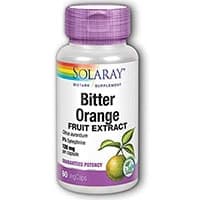
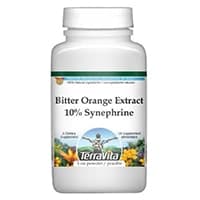
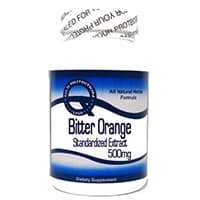
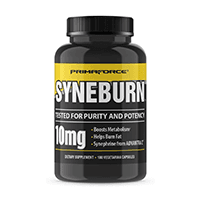
Why people shop bitter orange supplements
Bitter orange (usually Citrus aurantium) is most often marketed for fat-loss support, appetite control, and pre-workout energy. In supplement labels, it is commonly tied to compounds like p-synephrine, which is why this category lives in a high-caution zone: many products combine bitter orange with caffeine and other stimulants, and that stack can be rough for people with blood-pressure, anxiety, or sleep sensitivity.
In practical terms, this is not a “gentle citrus wellness” category. It is usually a stimulant-adjacent decision, even when labels use softer words like “metabolic support.” If you want better outcomes and fewer side effects, your first job is not finding the “strongest” product; it is finding a transparent label with realistic dosing and no hidden overlap.
This guide is educational and not medical advice. If you have hypertension, arrhythmia, anxiety disorders, glaucoma, thyroid disease, or use medications for blood pressure, mood, ADHD, or decongestants, discuss bitter orange supplementation with a qualified clinician before use. Pregnancy and breastfeeding are not appropriate for unsupervised use in this category.
How to use this guide
Use the ranked list as a quality-and-fit filter, not as a rapid fat-loss protocol. Start with one clear objective:
- Appetite/energy support during a structured calorie deficit
- Pre-workout boost support with strict stimulant control
- Stack simplification if current fat-loss routine is stimulant-heavy and inconsistent
Then audit your baseline stimulant intake before buying anything: coffee, tea, pre-workout, energy drinks, guarana, and pills. Most problems in this category come from accidental stacking, not from one ingredient in isolation.
If you’re comparing related categories, see our caffeine pills guide for precision-dose stimulant control, our guarana supplements guide for another stimulant-adjacent botanical lane, and our green coffee bean extract supplements guide for a generally milder metabolism-focused option in some routines.
For full ranking criteria and product-quality standards, see our methodology.
Who this category is for (and who should avoid DIY use)
Usually a better fit for
- Users with good sleep hygiene and controlled caffeine intake who want a modest adjunct.
- People who can track blood pressure, resting heart rate, and tolerance consistently.
- Shoppers willing to use conservative dosing and avoid “kitchen sink” stimulant stacks.
Usually a poor fit for
- Anyone with cardiovascular symptoms, uncontrolled BP, panic/anxiety sensitivity, or poor sleep stability.
- Users already running multiple stimulant products and hoping to “push harder.”
- People expecting bitter orange to offset inconsistent diet, alcohol-heavy weeks, or under-recovery.
How to compare two bitter orange labels in 60 seconds
- Step 1: Confirm exact bitter orange extract amount and whether p-synephrine content is disclosed.
- Step 2: Check if caffeine is included (many formulas are stimulant blends, not standalone bitter orange).
- Step 3: Check serving timing (AM/pre-workout) and whether it conflicts with your sleep schedule.
- Step 4: Check blend complexity: yohimbine-like ingredients, green tea, guarana, etc.
- Step 5: Check safety warnings and manufacturing transparency.
If p-synephrine and stimulant context are unclear, skip the product.
What to look for in a bitter orange supplement
p-Synephrine transparency
Because this compound drives most of the category discussion, better labels disclose standardized content. “Citrus aurantium blend” without active context is low-confidence buying.
Standalone formula vs “thermogenic stack”
Many products combine bitter orange with caffeine, capsaicin, green tea extract, and additional stimulants. That can increase side effects quickly. First-time users generally make better decisions with simpler formulas.
Dose practicality and daily sustainability
A formula that looks strong but destabilizes sleep and mood is usually a net loss for fat loss. Sustainable performance beats short bursts of overstimulation.
Cardiovascular monitoring context
If your resting heart rate and blood pressure trends are already borderline, this category deserves extra caution or clinician-directed alternatives.
No “detox” magic-thinking
Bitter orange products cannot replace calorie control, protein intake, resistance training, and recovery basics. Marketing may imply otherwise; physiology does not.
Common mistakes that waste money (or create side effects)
- Stacking bitter orange with high caffeine and pre-workouts immediately.
- Taking stimulant products too late in the day and tanking sleep.
- Buying proprietary “fat-burner” labels with hidden actives.
- Ignoring anxiety, palpitations, headaches, or reflux changes.
- Using stimulant tools without a structured nutrition plan.
What to monitor in your first 2-4 weeks
If your clinician supports a trial, track:
- Resting heart rate and BP trend: same conditions, consistent timing.
- Sleep quality: sleep onset, nighttime waking, next-day recovery.
- Anxiety/jitter profile: calm focus vs overstimulation.
- Appetite control: snack windows and adherence, not just scale fluctuations.
- Stack overlap: avoid adding new stimulant agents mid-trial.
Stop and seek medical guidance for chest symptoms, persistent palpitations, severe anxiety, significant BP elevation, or neurological warning signs.
FAQs
What is bitter orange used for in supplements?
Mostly for weight-management and energy-support positioning, often in thermogenic blends.
Is bitter orange the same as grapefruit supplements?
No. They are different citrus categories with different active compounds and risk profiles.
Can I take bitter orange every day?
Some users do, but daily use should be conservative and clinically appropriate. If sleep or anxiety worsens, reassess immediately.
What side effects are commonly discussed?
Jitteriness, elevated heart rate, BP changes, anxiety, headaches, and sleep disruption are common stimulant-adjacent concerns.
Can I combine bitter orange with caffeine pills?
Possible, but usually a poor first strategy. Combining stimulants increases side-effect risk and can hurt adherence.
How long should I trial one product?
If appropriate, run one transparent formula for 2-4 weeks with stable diet/training habits before deciding.
Can bitter orange replace a nutrition plan?
No. It is at best an adjunct to behavior consistency, not a substitute for it.
Bottom line
Bitter orange supplements can help some users as part of a tightly controlled fat-loss routine, but this is a high-caution stimulant-adjacent category. The best product is one with clear p-synephrine disclosure, minimal blend noise, and a dosing plan that protects sleep and cardiovascular stability.
Keep your stack simple, monitor objective data, and prioritize long-term adherence over short-term stimulation. If your health profile is complex, use this category only with clinician guidance.